The Historical Reason The British Drive On The Left (And Why Most People Don’t)
A relic from a bygone era
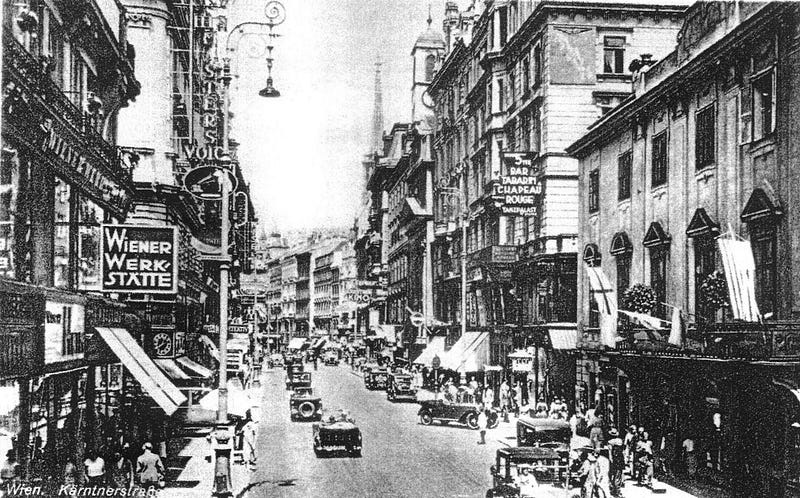
Anyone who has traveled to a country where they drive on the left hand side of the road is familiar with the frustration of constantly turning on their windshield wiper instead of their blinker. This is the result of everything being reversed inside of a left handed vehicle.
Most countries in the world drive on the right. According to the United Nations, 141 nations drive on the right compared to just 54 that drive on the left. Many nations, such as India and Australia, inherited left handed traffic from the British Empire. The British were the earliest pioneers of left handed driving, leaving many to wonder why. Why does Britain drive on the left?
Contrary to popular belief, the decision to drive on the left, as opposed to the right, is not an arbitrary one. There was a very good reason that the British started traveling on the left instead of the right, and it has to do with how people used to travel on horseback rather than on foot or by car.
The Logistics of Medieval Horse Travel
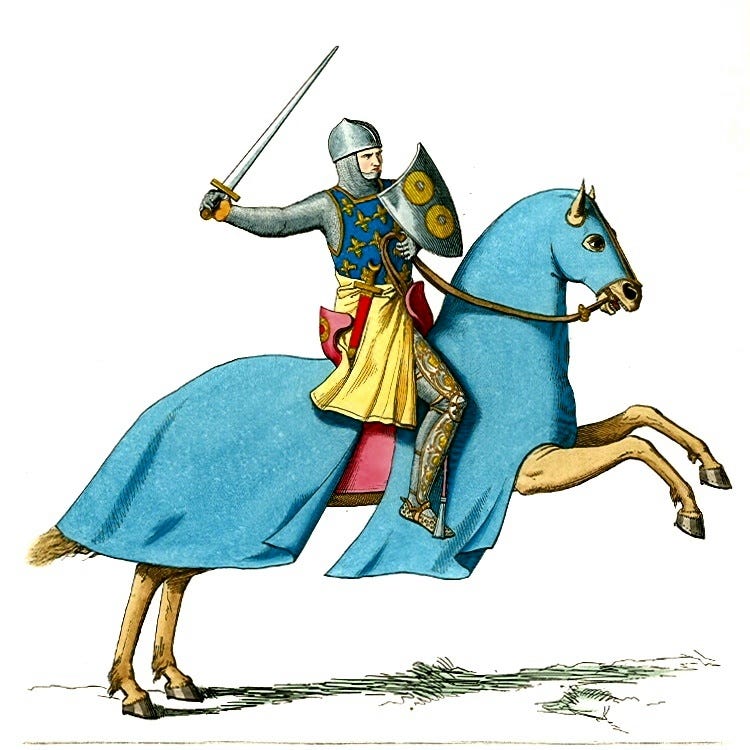
Roads were a dangerous place during the Medieval Period. Roads between towns, villages, and cities were remote and often besieged by thick vegetation. This made remote roads prime locations for ambushes and robberies. To try and protect themselves, most horsemen would ride on the left of the road.
Most people carried their swords on their left hip and wielded their weapons with their right hand. This also applied to other weapons, such as spears and lances. That meant riding on the left of the road would put your sword hand toward the middle of the road. Anyone approaching from ahead or looking to pass by travelers on the road would have to then pass by the sword hand of the rider.
This made it harder for someone to pull you from your horse or attack. If your spear was in the center of the road, it gave you a better chance of hitting someone who was also sharing the road rather than pointing your spear into the ditch next to the road.
(Japan drives on the left for a similar reason. Samurai navigating the crowded streets of Japanese castle towns wanted to keep their sword at the ready in case of trouble. Many samurai wielded their swords in their right hands leading to the same phenomenon. Japan developed left handed driving for almost the exact same reason as the British and did so completely independently.)
You also traditionally mount a horse from the left side. During the Medieval Period, that meant dismounting into the ditch along the side of the road, which was also seen as the safer choice. If you needed to dismount in a hurry to stage a defense against bandits, dismounting into the ditch and keeping your horse between you and an unsavory character on the road was safer than dismounting in the center of the road.
All of this meant most riders would keep to the left hand side when traveling, especially when traveling long distances. This natural practice was codified into law in 1773 with the passage of the General Highways Act in Britain. The practice has been in effect ever since, even to this day.
But if traveling on the left was natural during the Medieval Period, why did so many countries change to driving on the right?
Why Americans Drive On The Right
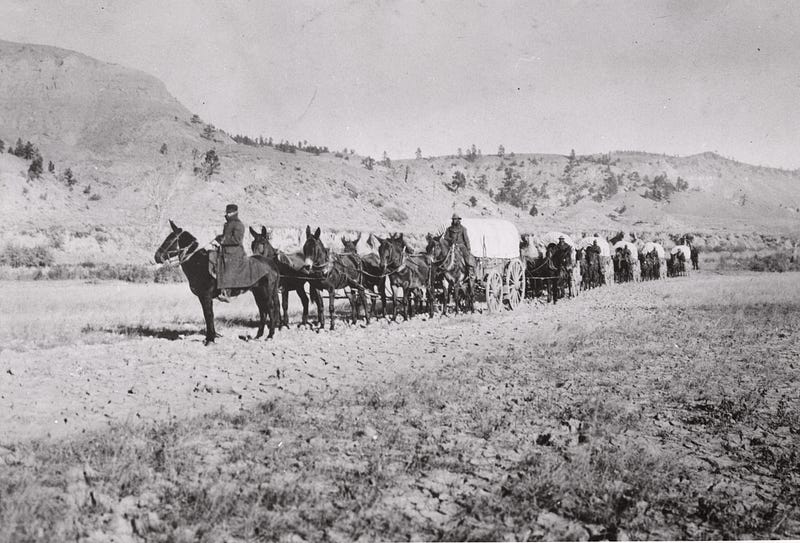
After the Revolutionary War, the United States developed close ties with France. The economies in both France and the United States during the 18th and 19th centuries were largely agrarian. Most of the people traveling long distances over the road were doing so by wagon or in long wagon trains pulled by multiple pairs of horses.
During this period, drivers would typically sit on the leftmost rear horse. This kept the whip in the driver’s right hand. Since drivers were now sitting on the left of a wagon train, they wanted to be centered on the road. Similar to how the driver seat of any vehicle today is toward the center of the road. Wagon drivers wanted to be able to see who was coming up the road ahead of them so that they could ensure that they maintained a proper distance from the ditch and provided ample room for the oncoming wagon to pass.
The result was that wagon drivers all started traveling on the right side of the road instead of the left.
This switch from left to right was as natural as the original preference to travel on the left. Large wagon trains and multiple pairs of horses were not common in the Medieval Period, and roaming bandits were not common during the 19th century.
Just as Britain codified their driving practices into law in 1773, American states began codifying right handed driving in the early 19th century. And the rest is history.
Conclusion
It might seem asinine at first glance, but the reasons that nations drive on the right or left have deep historical roots. The evolution of right versus left driving was completely natural and was not codified into law until almost the modern era. In Medieval times, it was safer to travel the roads on the left. During the Industrial Revolution, it became safer and easier to drive wagons from the right side of the road. The result is a split in driving patterns that still persists to this day.