
The Hidden Portugal That Doesn’t Get In Touristic Routes
An alternative Portugal awaits you
Sun, blue, salty sea, and a white sandy beach. This is the typical image of Portugal that appears in tourism magazines and, as such, is the image that many foreigners have of Portugal. But, if this image is true, it only represents a small part of the territory with much more diverse landscapes than this one.
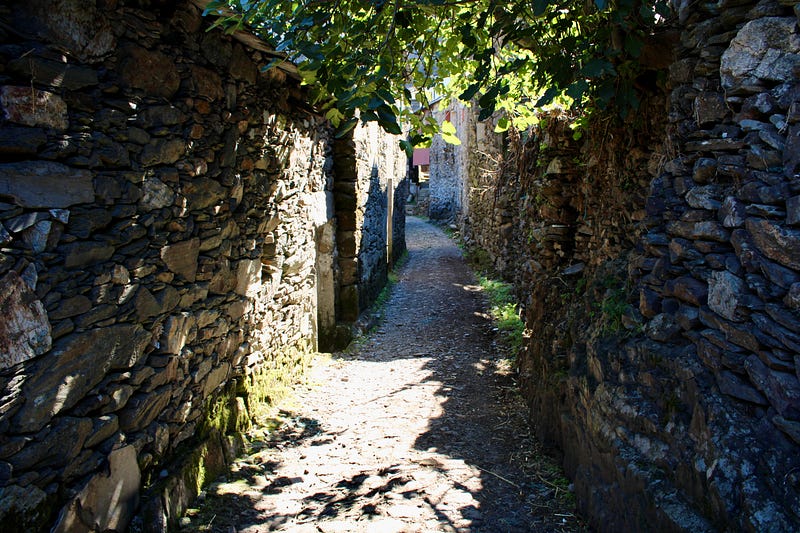
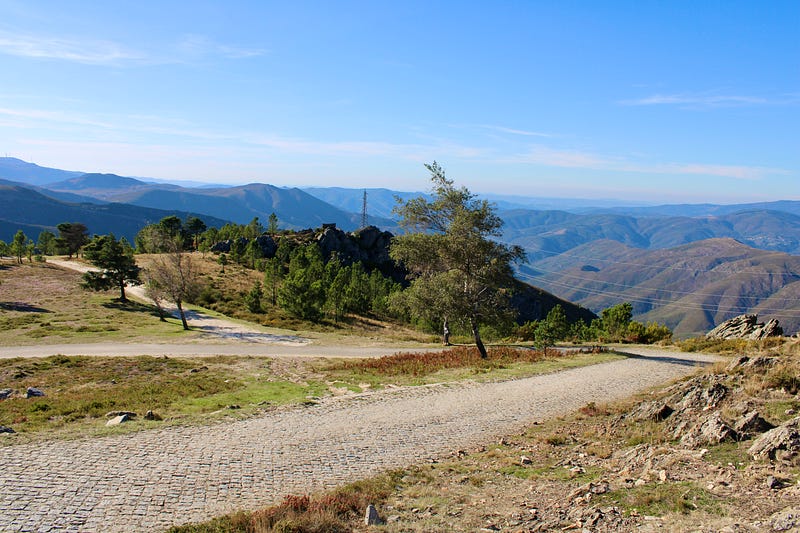
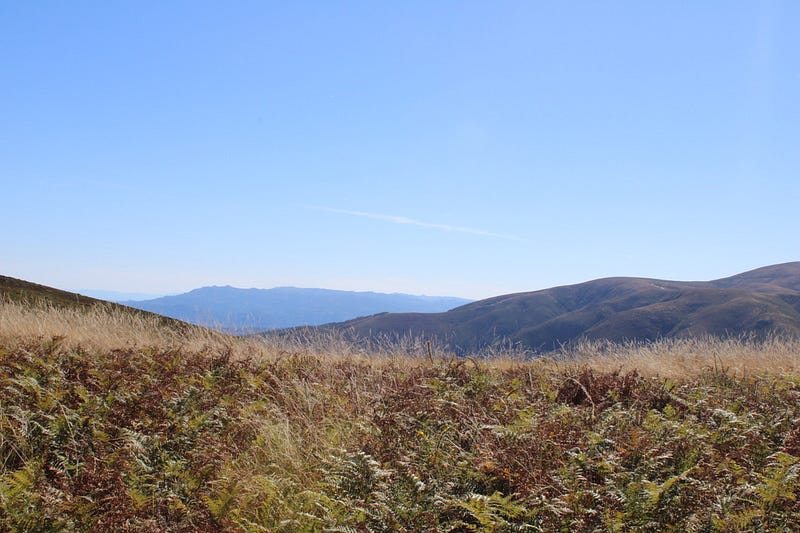
Portugal also has mountains, forests, and remote villages with houses made of schist stone. It also has plateaus, wolves, foxes, and cheese from Serra da Estrela. This mountain is the highest in continental Portugal, where there is skiing and temperatures have reached minus twenty degrees Celsius in winter.
I come from one of those regions where I see valleys and mountains everywhere I look. I come from a region that is the only one that does not border either the sea or Spain and which I would therefore say is the heart of Portugal.
A region of heroes from ancient Lusitania, the land that preceded the Portuguese nation. A land where probably the first Portuguese king was born and where King D. Duarte was born, a historian and one of the first Portuguese intellectuals.
A region that produced modern heroes like Aristides de Sousa Mendes, as well as gave birth to the fascist who ruled us for much of the last century.
I am talking about the district of Viseu, but I am also talking about something much bigger than the city that gives the district its name.
I speak of the contrast in Portugal of a country of the coast, urban, bourgeois, contrasting with a Portugal of the interior, rural and rustic, which many will say retrograde and backward — the last definition that gnaws at me.
The interior, that geographical area difficult to put on the map, is more a cultural definition than a geographical one.
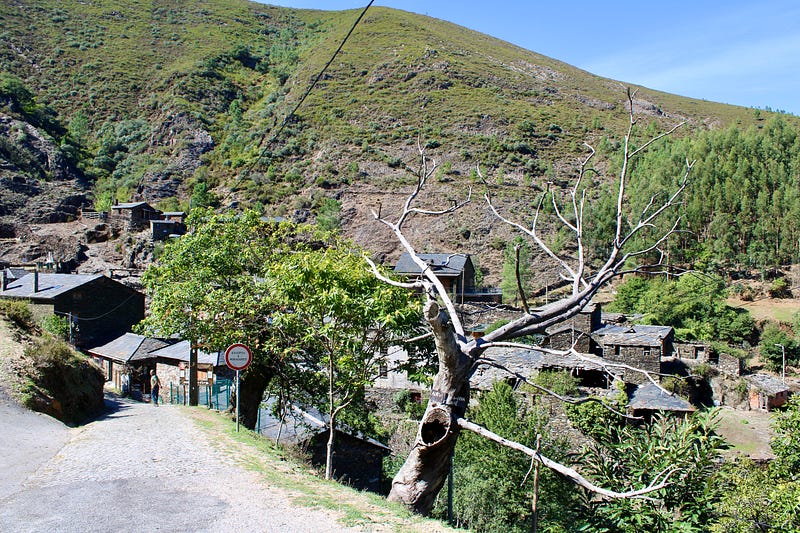
Viseu is a city of the interior, but its urbanity cannot be placed directly as inside that interior where I live, where young people are missing, the population is older, where the climate is Machiavellian, and where the lack of cultural activities also takes away the life of those who looked for something more than just work and sleep.
Far from all the confusion of international and national tourism are these mountains that we say here are magical. Many here will say that preservation is exactly that, that they are not recognized, that they are not filled with tourists. But I say that we don’t need or have the capacity to receive mass tourism, but I defend sustainable tourism that favors tourists and locals.
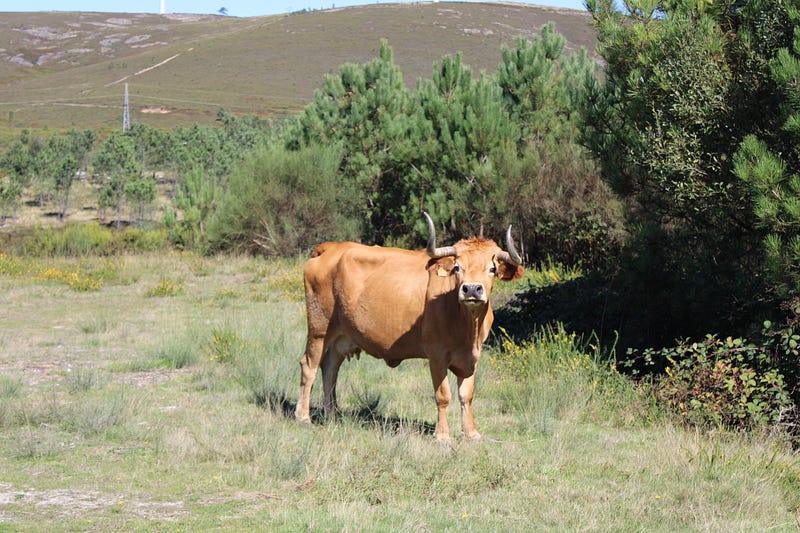
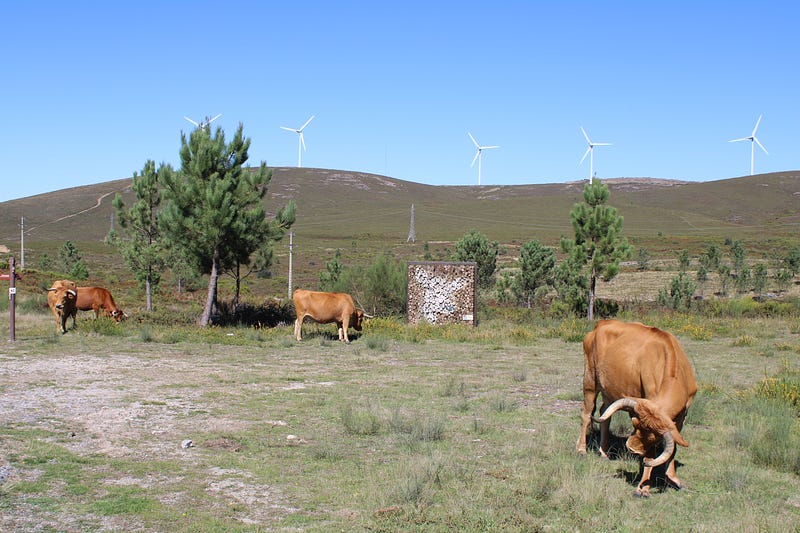
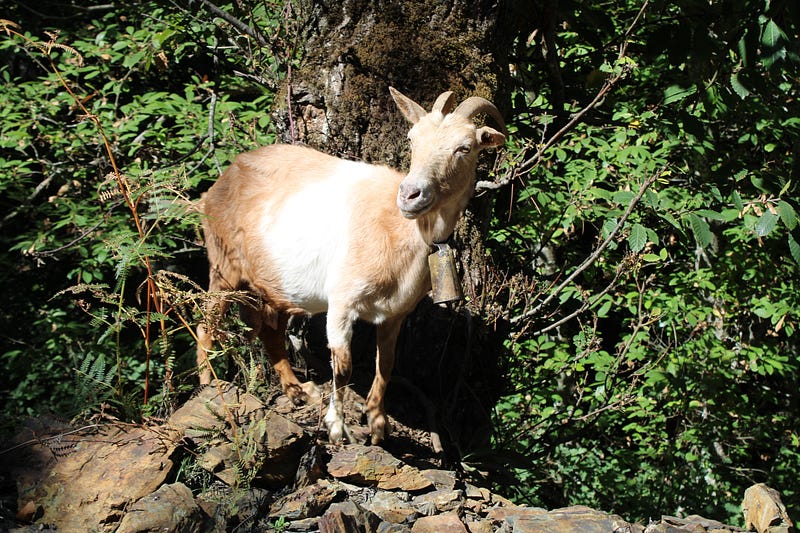
The mountain that is my home is part of a mountain massif comprising the Serra da Arada, São Macário, Gralheira, and the less magical but equally beautiful Serra da Freita. Here we have native breed “arouquesas” cows, with big horns but the most docile animals I have ever seen. They walk up and down the mountain, alone, with their huge rattle on their necks, creating a picturesque scenery.
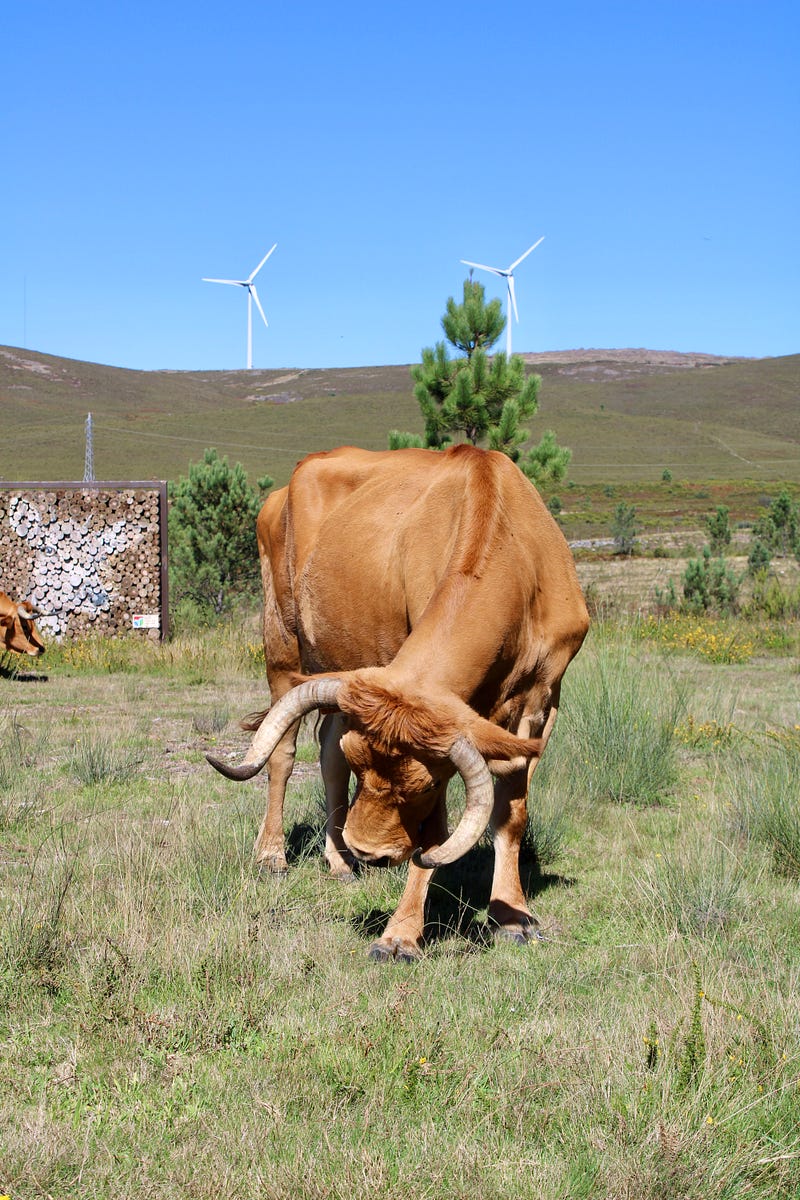
Wolves — not so friendly — that can be heard in the night. Foxes also pass by as if they were the hawks or eagles that tear up our skies.
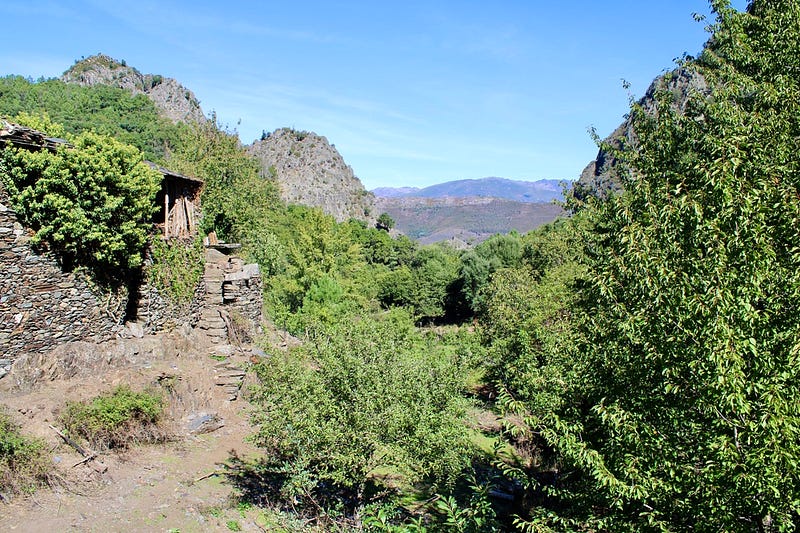
And then, beyond the natural landscape, at every bend and winding road where you have to take every possible precaution, you come across historical villages whose record is unknown.
They may be millenary, centenary, who knows?
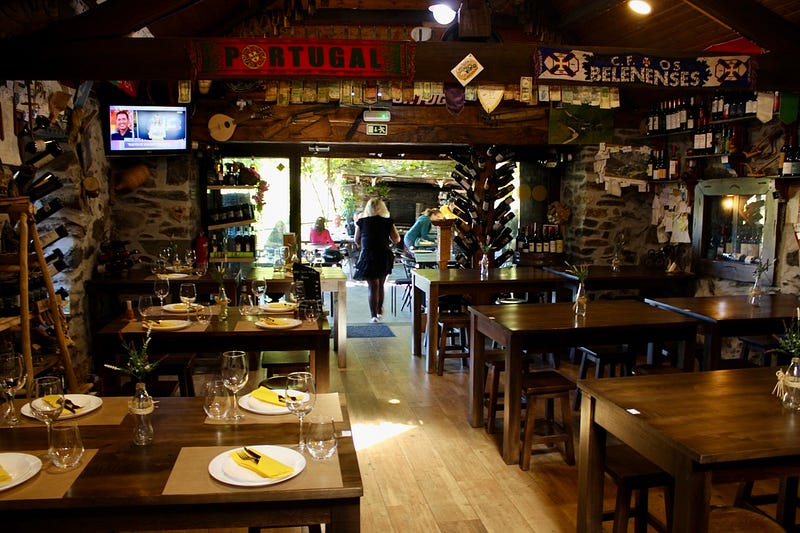
Here we make friends with people of strong character, resilient to the adversities of life, the economic crises, and the forgetfulness of politicians who only visit us during fires or elections.
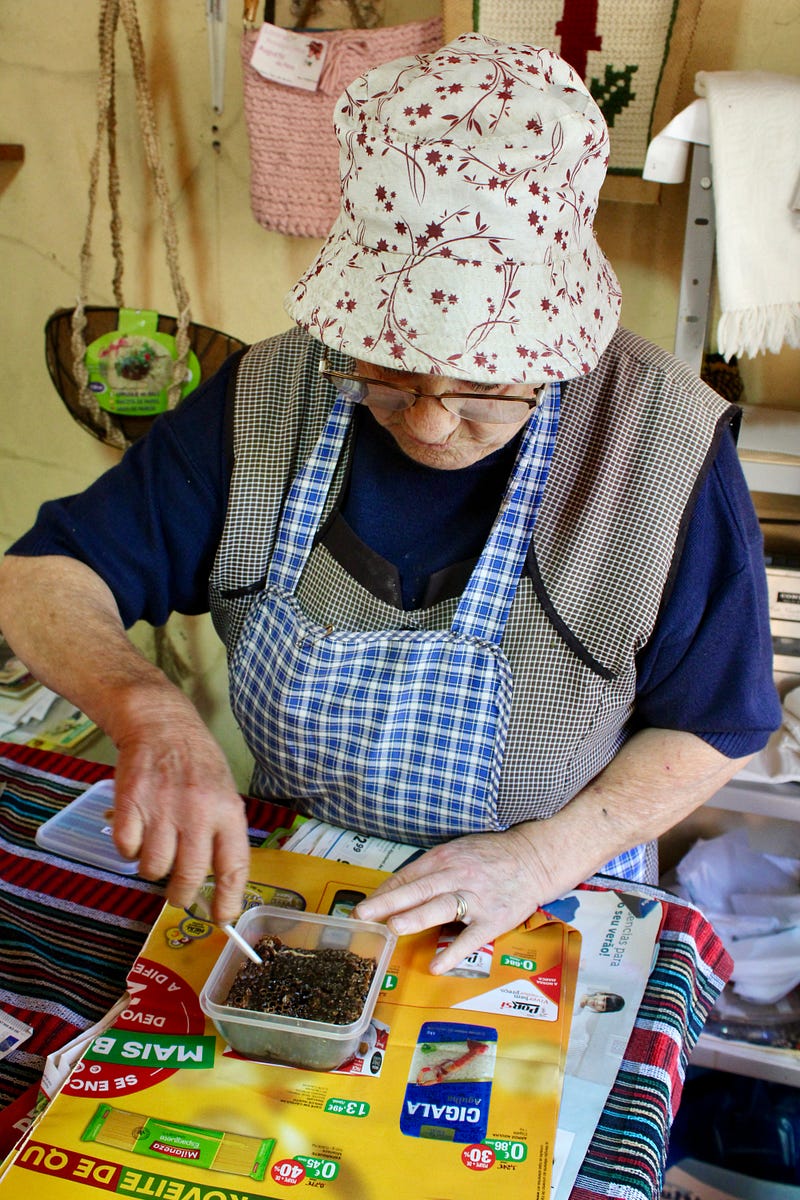
Yes, there is no government here but to intoxicate us with absurd taxes in a country where those born poor will rarely or never break the cycle of poverty. And if this is so, it is also the other way round, where those born into an aristocratic bourgeoisie or a family whose parents had the opportunity to study during the dictatorship have life much easier than others.
And then we are left here, forgotten, amid a wonderful nature that even the Portuguese don’t know about. And worse, even the locals who live in the middle of the most urban part turn their backs on a mountain that is one of our greatest wonders.
And now I admit that I was once one of those people too.
I was a teenager. I wanted to get out of here. I wanted to see the world. And I saw it, luckily I did. I lived in the interior of Brazil too. I spent five days on a bus crossing Brazil until I went to Argentina, Buenos Aires.
I flew over the Andes to land in Chile. I lived in the north of France, in the north of Italy, in Tuscany, my beautiful Tuscany.
And after these trips, living in the city of Porto, and a huge identity crisis, I decided to return to this land I hated so much.
I came back and rediscovered myself. I ran all over the world to find exactly home at home.
It may sound pathetic what I am about to write, but I opened my heart to understand people and the reason for their conservative ideas. I understood, comprehended, and made it my life’s mission not to judge immediately and to talk without throwing stones at them.
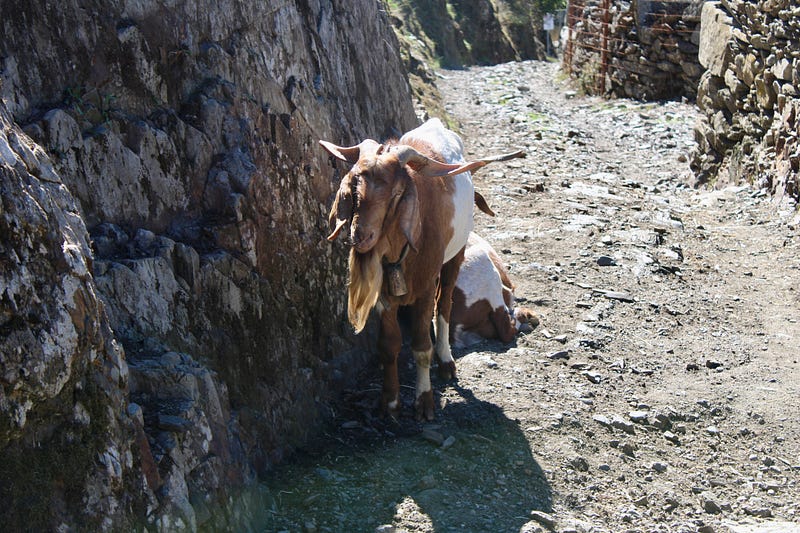
I decided to see what hides behind it all. I found genuinely good people but forgotten by the progress that sometimes imposes its ideology on people whose difficulties are much more primary.
Do you think anyone will understand inclusive language and the need for high-speed train lines when basic needs of employability, equal career opportunities, democratic education, and the breaking of the widespread poverty passed down from generation to generation have yet to be met?
Do you think anyone understands the need for high-speed rail lines when the train does not even exist?
Making a bigger criticism now, I, left-wing in politics, feel very sorry that the left has also forgotten us.
It doesn’t understand us.
It has become urban, preoccupied with issues that irritate these people. And they have this effect because this population lack thing that others have long ago conquered and that seem almost impossible to us.
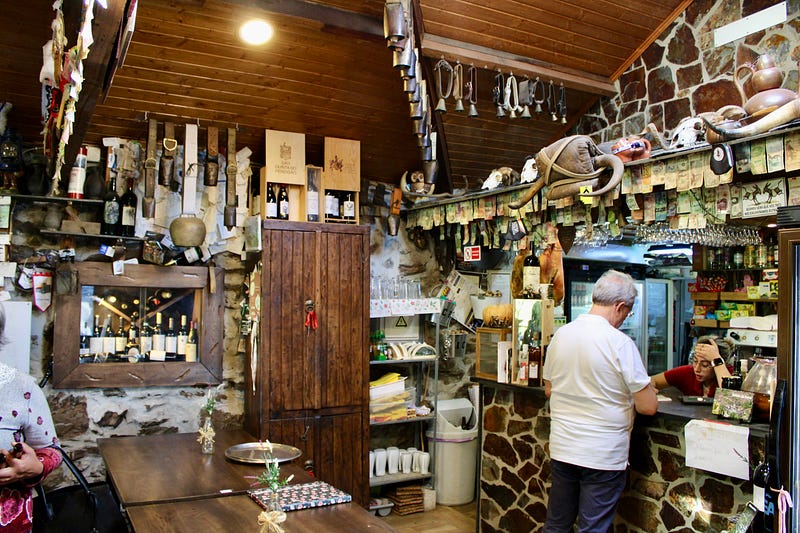
We lack doctors, teachers, cinemas, theatres, accessibility, tourism, and economic movement.
In short, we lack the life that increasingly seems to be disappearing in a process that seems more and more difficult to reverse.
But the magic continues, notwithstanding all the harmful policies made to this land and its people. The landscapes are still here. The magic of these mountains wants to receive you, welcome you, and make you marvel.
Come and meet us!
Hello, I’m Araci, a female writer from Portugal. I like to write about my country, Portugal. But I also enjoy pop culture, American culture, and cultural differences. I hope you’ve enjoyed this article!
You can also find more about me here:
If you have enjoyed this article, maybe you would like to buy me a coffee here https://ko-fi.com/joanaaraci. I don’t drink coffee that much, but food is getting ridiculously expensive, and I need to put it on the table.
There are other ways to help me out:
Are you considering joining Medium for only 5$ a month? Your membership fee directly supports me. This way, you are helping me out while you’ll also get full access to every story on Medium.
If so, consider doing it through my referral link.
Thank you for reading me.


