
The Hidden Pleasure Of Nostalgia
Do memories really bring back memories?
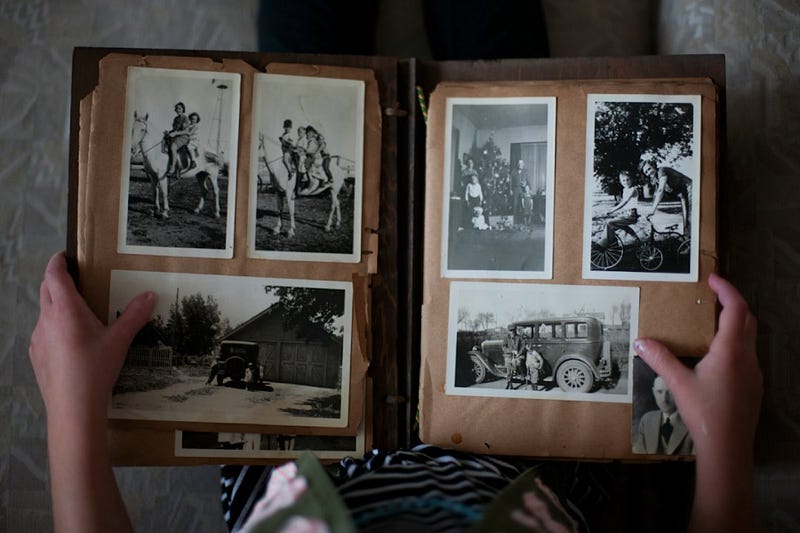
Who could’ve guessed that one small memory can create a whole of string of mental joy and satisfaction.
‘Those were the good old days…’
… and then people have to move on with their lives of 9–5 shifts and low social life. But then they eventually see something, and then comes the odd sensation of pleasure from the back of the brain – nostalgia.
Some people may argue that nostalgia isn’t too important in the human life – but I’d disagree.
The amount of enjoyment, motivation and positive memories that nostalgia has brought me from the past few years alone has been almost immeasurable.
Although good memories have became all the rave, surprisingly, bad memories can also be helpful too when it comes to motivation. You should use your past experiences of failure or even suffering to build up who you are. Or, you could get even more out of it by telling the world your story through, well, writing. Or you could keep it to yourself and instead learn the skill of journaling.
(CAUTION – I advise caution, since there is a chance that journaling about such events could potentially lead you into a mental rut, depending on the severe nature of the topic)
I like to think of nostalgia as having four types:
- Photographic – images that have held some kind of significance to you
- Partnered – nostalgia relating to things like friendships and romances
- Memory – remembrance of time periods, occasions, or events
- Realisation – when an activity or event leads to feeling nostalgia, but in the present at the time of it happening
Each type can be experienced even in as little as a week. But the one that tends to be the most enjoyable is partnered, and the least enjoyable tends to be realisation, due to it being only temporary. Memory sits at the number two spot, with photographic coming in at a close third.
But it doesn’t matter – for whatever one is felt, it will act in a positive mental response.


