
The Hidden Network: How Trees in Forests Connect Through Roots and Fungi.
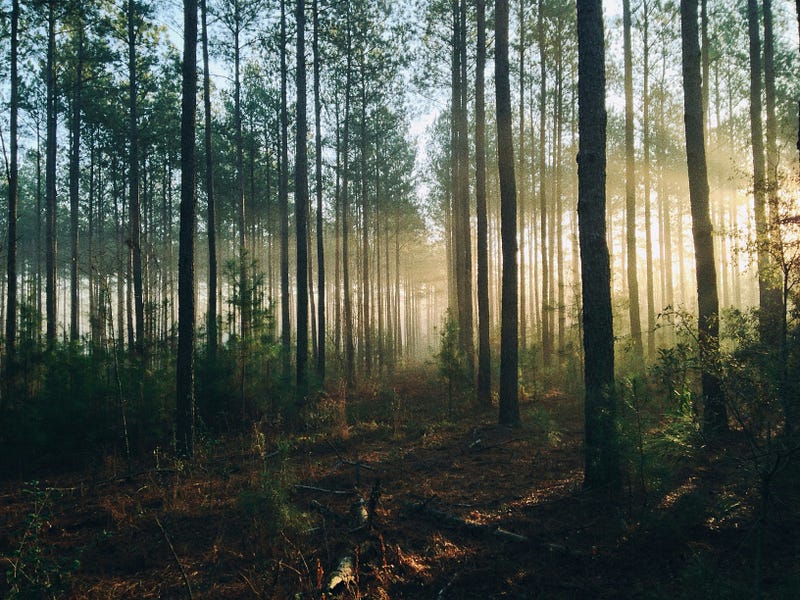
Beneath the serene surface of a forest lies a bustling community of interconnected life forms, where trees, plants, and fungi collaborate in a complex web of symbiotic relationships. Among the most fascinating aspects of this intricate ecosystem is the underground network that connects trees through their roots and a vast network of fungi known as mycorrhiza.
At first glance, a forest may appear as a collection of individual trees standing tall and majestic. However, beneath the soil, a different story unfolds. Trees are not solitary entities, but members of a closely-knit community that relies on mutual support and cooperation for survival and growth.
One of the primary mechanisms through which trees communicate and share resources is the extensive network of roots that extends deep into the soil. Far from being isolated entities, trees are interconnected through their root systems, forming a network that facilitates the exchange of nutrients, water, and information.
But the interconnectedness of trees goes beyond their roots. Beneath the forest floor, a vast and intricate network of fungal threads, known as mycorrhiza, extends throughout the soil. These fine strands of fungi form symbiotic relationships with the roots of trees, creating a mutually beneficial partnership that is essential for the health and vitality of the forest ecosystem.
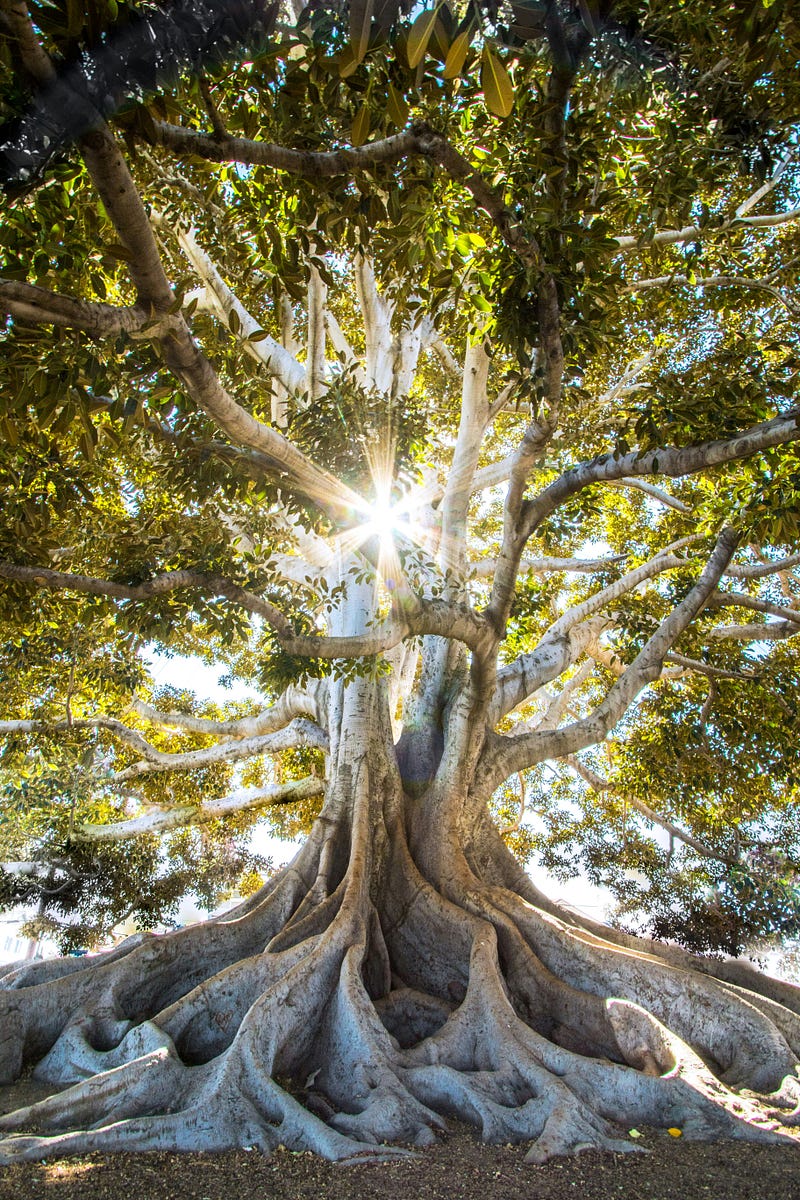
Mycorrhizal fungi play a crucial role in facilitating nutrient exchange between trees. Through their hyphal networks, fungi can access nutrients and water that may be inaccessible to tree roots alone. In return, trees provide the fungi with carbohydrates produced through photosynthesis, creating a symbiotic relationship where both parties benefit.
But perhaps even more fascinating is the role of mycorrhizal fungi as mediators of communication between trees. Research has shown that trees can communicate with each other through chemical signals transmitted via the fungal network. In times of stress or danger, such as insect attacks or disease outbreaks, trees can alert neighbouring trees to the threat, enabling them to mount a collective defence response.
This underground communication network, sometimes referred to as the “Wood Wide Web,” highlights the interconnectedness and interdependence of life in the forest. Far from being solitary entities, trees are part of a vast and interconnected community that relies on cooperation and mutual support for survival.
The implications of this interconnectedness extend far beyond the forest floor. As we gain a deeper understanding of the intricate relationships that exist within forest ecosystems, we come to appreciate the importance of preserving and protecting these vital habitats. Forests not only provide essential ecosystem services such as carbon sequestration and habitat preservation but also serve as a source of inspiration and wonder, reminding us of the beauty and complexity of the natural world.
The interconnectedness of trees in a forest through their roots and fungal networks is a testament to the resilience and adaptability of life on Earth. As stewards of the planet, it is our responsibility to cherish and protect these invaluable ecosystems, ensuring that future generations can continue to marvel at the wonders of the forest and learn from the wisdom of the trees.