
The Hidden Costs of Our Road and Vehicle
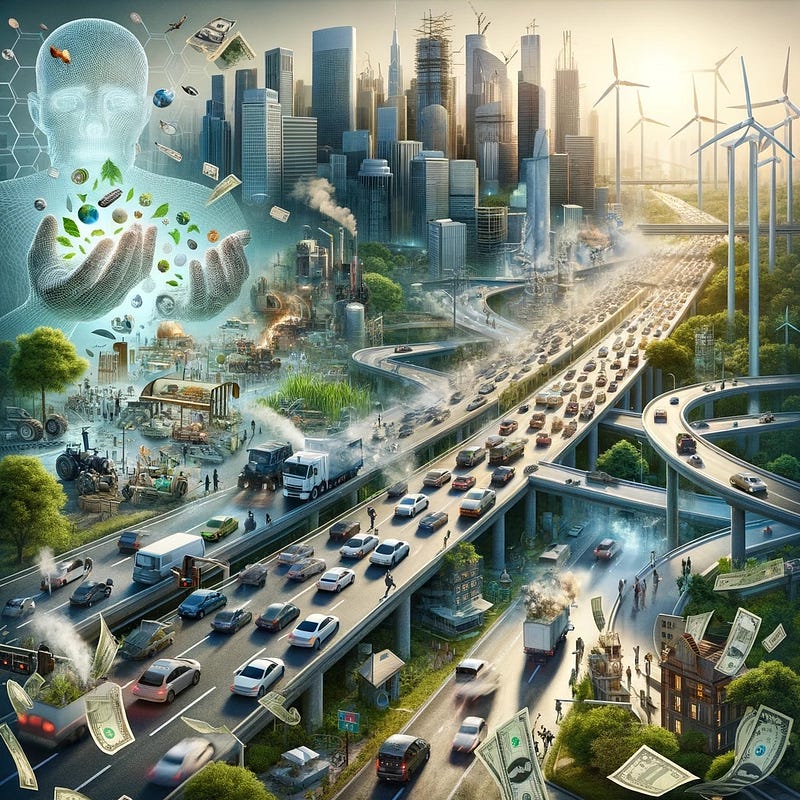
In our modern society, roads and vehicles are so deeply integrated into our daily lives that we seldom stop to consider the true cost of these conveniences. While it’s clear that our taxes fund road construction, the implications of this system extend far beyond the visible infrastructure. This arrangement enables car companies to sell vehicles that are used on these publicly funded roads, creating a complex web of economic and environmental impacts.
The Road Built for Car Companies:
Imagine if car manufacturers were responsible for building the roads their vehicles travel on. This scenario would drastically change the economic landscape of automobile ownership and usage. The costs associated with constructing and maintaining road networks would likely be passed on to consumers, resulting in significantly higher vehicle prices and fuel costs.
Full Cost Accounting:
The concept of full cost accounting involves evaluating all the costs associated with a product or service, including those that are not immediately apparent. When we apply this to our road and vehicle infrastructure, we uncover a range of hidden costs:
Environmental Impact: The construction and maintenance of roads have significant environmental footprints, contributing to habitat destruction, pollution, and carbon emissions.
Health Consequences: The pollution from vehicles contributes to a range of health issues, including respiratory diseases like asthma and more severe conditions like pneumoconiosis (commonly known as black lung disease).
Economic Costs: Beyond the direct expenses of fuel and vehicle maintenance, there are indirect costs such as healthcare expenses for pollution-related illnesses and the environmental cost of oil extraction and processing.
Opportunity Costs: The funds allocated to road construction and maintenance could have been used for other purposes, such as healthcare, education, or alternative transportation infrastructure like public transit systems.
The Total Cost of Oil and Coal
When we consider the full cost of oil, it’s not just the price at the pump. It includes the environmental degradation from oil extraction, the health implications of air pollution, and the broader impact on climate change. Similarly, the cost of coal isn’t limited to its market price; it also encompasses the health hazards for those in mining occupations, the environmental damage from coal mining, and the air pollution produced when coal is burned.
A Sustainable Alternative:
In comparison to fossil fuels, renewable energy sources like solar power offer a more environmentally friendly and sustainable option. When full cost accounting is applied, solar energy becomes increasingly viable and attractive. It avoids many of the hidden costs associated with traditional energy sources, making it a more cost-effective and sustainable choice in the long term.
Embracing Change and Sustainability
Our world is imperfect, and our journey to this point in history has seen considerable environmental and social impacts. However, we stand at a crossroads where technological advancements offer us the opportunity to make more sustainable choices. Embracing change, especially in the form of renewable energy and more sustainable transportation options, is crucial for reducing our environmental footprint and improving global health.
The hidden costs associated with our road and vehicle infrastructure are a stark reminder of the importance of full cost accounting. By considering the broader implications of our choices, we can make more informed decisions that prioritize sustainability, health, and the well-being of our planet. The future lies in embracing change and transitioning to more sustainable practices, a journey that requires awareness, innovation, and collective action.