
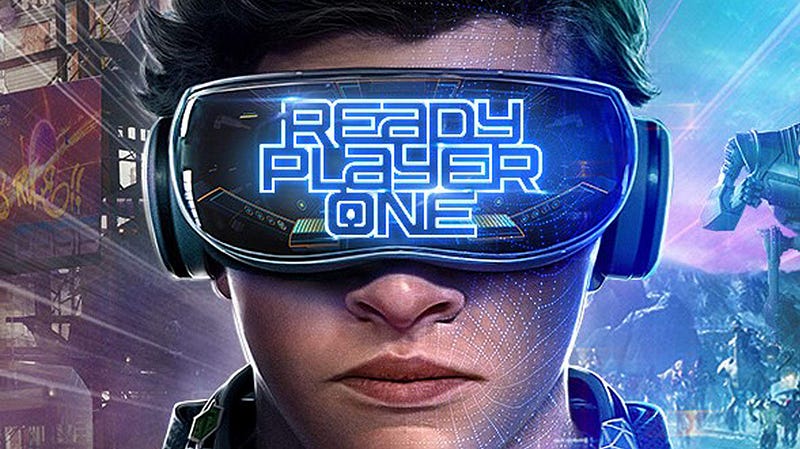
The Herculean Task of Getting All the Rights for ‘Ready Player One’
Ready Player One is billed as the “Holy Grail of Pop Culture” for a reason. The book is packed from front to back with so many references to music, movies, role-playing games, video games, television shows, and comics that there was no way that any movie could possibly match the source material.
The author of the book, Ernest Cline, knew it would be nearly impossible to recreate what he did when he was writing the book,
“I had envisioned it as being an unfilmable book while I was writing it. I could see what a herculean task it was going to be.”
There were two major factors that made much of the licensing possible. That was the film’s production company Warner Brothers, and the film’s director Steven Spielberg.
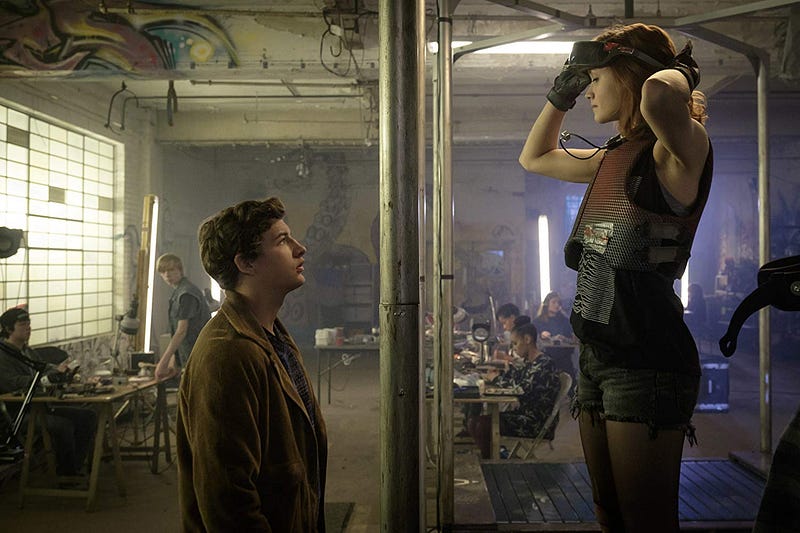
Warner Brothers
Ready Player One was produced by Warner Brothers; that cleared the way for a lot of the properties that you see on the screen because they owned them.
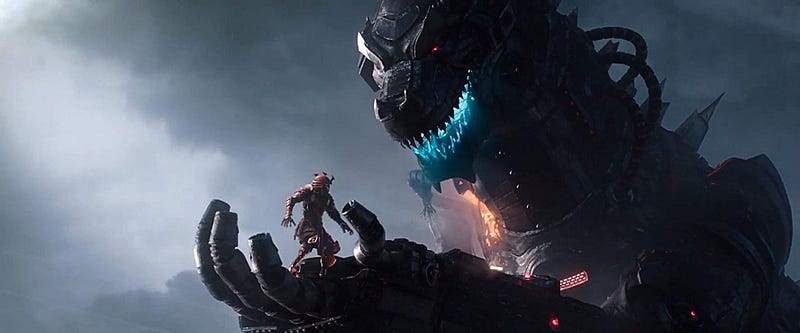
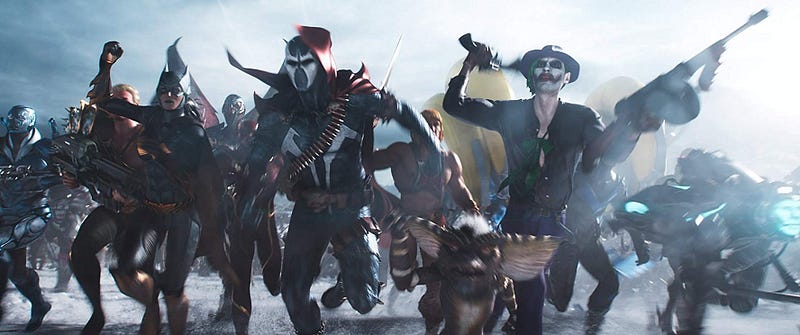
Stuff like Batman (and other DC superhero properties, Lord of the Rings, Mad Max, A Nightmare on Elm Street, and The Iron Giant, were fairly easy to include in the film because Warner Brothers either owned the properties or had film rights established already.
Getting the rights to everything else from Disney, Fox, Paramount, Universal, and much more fell to producer Kristie Macosko Krieger, and especially, special-projects supervisor Deidre Backs.
Kristie Macosko Krieger talks about how important the rights were even before the script was locked down,
“It was a clearance bonanza. We started working well before we started filming the movie because if we couldn’t get the clearances up front, you couldn’t film a lot of the things that we needed for the movie. We had to know we had most of it going in.”
Director/Producer Steven Spielberg
Steven Spielberg at the helm of Ready Player One was a major component to getting the rights to properties. He’s a legend, he has respect in the industry, and he’s going to be able to get anyone on the phone.
Producer Donald De Line put it this way,
“A lot of talk [early on] was ‘Oh, you’ll never be able to get the IP. You’re not going to be able to do it. Having Steven Spielberg as your director opens a jillion doors that would have been locked before. His stature as a filmmaker, him being an icon in the business, his relationships with all the filmmakers or pop culture people, whether it was music, film, games, everybody when they heard ‘Steven Spielberg’ and he’s making a movie out of this, they had a completely different attitude.”
https://io9.gizmodo.com/why-it-took-ready-player-one-eight-years-to-become-a-mo-1824033088
Spielberg was close with director Stanley Kubrick, which inspired him to pay tribute to The Shining in a meaningful way, and probably introduce a whole new generation to his work. This scene was swapped-out with others in the book that they couldn’t get the rights for (like the scene from Blade Runner). It was one of the most effective scenes in Ready Player One, and the fact that it was distributed by Warner Brothers helped with rights too.
Things That Were Noticeably Absent
1 — Ultraman
In the book Ultraman plays the same role that The Iron Giant played in the movie. They tried to get Ultraman, but unfortunately, it was tied up in some legal hell (probably related to the new Netflix series) that prevented them from securing rights.
2 — Blade Runner
There was a big scene in the book that was focused entirely on Blade Runner but the producers of that film were involved in the sequel and were skittish to let others interpret the work.
Spielberg said,
“The producers [at Alcon Entertainment] had to approve it and they wouldn’t because they had their movie [‘Blade Runner 2049’] coming out and they didn’t know if we would enhance their commercial prospects or not, even though we were following the release of the latest ‘Blade Runner’ film.”[4]
3 — Star Wars
If you’ve read the book you know how often Star Wars is referenced. If you’re talking about pop culture in the 80s, Star Wars is the apex property.
Spielberg knew how important it was to get Disney to clear the rights for Star Wars,
“We couldn’t get any Star Wars rights. [We tried] very hard. They wouldn’t give up the Star Wars rights.”
https://www.avclub.com/not-even-steven-spielberg-could-get-the-rights-to-star-1823830691
Ironically, Spielberg is exceptionally tight with Star Wars creator George Lucas. If Ready Player One was made before Lucas sold the rights of Lucasfilm to Disney, it almost certainly would have been in the movie.
If You Want to View Paradise…
The unfilmable book became a film because the original writer, the movie studio, and the director worked together to make the changes necessary to condense the story and be flexible enough to place other properties in place of ones that they couldn’t get the rights to.
The herculean task to clear the rights for Ready Player One will be studied in film classes for years to come.

Hello, my name is Dirk Hooper. I have a deep passion for writing that has led me to win a few awards. I’ve had work published at Huffington Post, Slate Magazine, Business Insider, Quartz, The Sporting News, and much more.
In addition to writing, I’m a professional photographer and artist, a consultant for adult marketing and branding, and an audio talent.
My love for words extends to reading as well. Let’s connect!
You’ll see stories on writing, motivation, entertainment, life, business, marketing, art, kink, and poetry on my Medium profile.


