
The Healing Power of Music: How It Can Benefit Alzheimer’s Patients
Alzheimer’s disease is a devastating form of dementia that affects millions of people around the world. Characterized by the gradual loss of cognitive function, this disease can be incredibly challenging for both patients and their caregivers. However, research has shown that music can be a powerful tool in helping to alleviate some of the difficulties associated with Alzheimer’s disease, and may even have some cognitive and physical benefits.
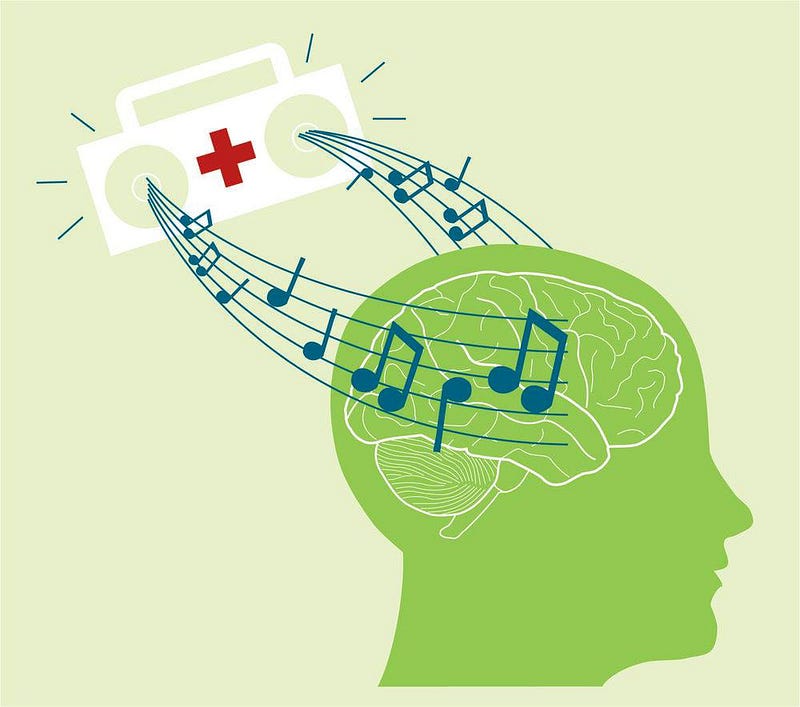
One of the most striking ways in which music can benefit Alzheimer’s patients is by providing a sense of comfort and familiarity. Many people have strong emotional connections to music, and listening to familiar songs can bring back memories and emotions that may have been lost due to the disease. This can provide a sense of comfort and familiarity for Alzheimer’s patients, particularly during times of stress or anxiety. In fact, some studies have shown that music can even reduce levels of the stress hormone cortisol in the body, helping to alleviate feelings of anxiety and depression.

But the benefits of music for Alzheimer’s patients go beyond just emotional support. Some research has suggested that music may have the ability to stimulate certain parts of the brain that are responsible for memory, language, and other cognitive functions. This can help to slow the progression of the disease and improve quality of life for patients. For example, one study found that listening to music improved memory and attention in Alzheimer’s patients, while another found that music therapy sessions helped to improve communication and social interaction in patients with the disease.

Music therapy is another way in which the healing power of music can be harnessed to benefit Alzheimer’s patients. Music therapists are trained professionals who use music as a means of helping patients to cope with the physical and emotional challenges of the disease. Music therapy sessions may involve singing, playing instruments, or simply listening to music, and can be tailored to meet the specific needs and preferences of each patient. These sessions can help to improve mood, reduce anxiety, and increase social interaction in Alzheimer’s patients.

Incorporating music into the care and management of Alzheimer’s disease can provide a range of emotional, cognitive, and physical benefits for patients. Whether it’s listening to familiar tunes or participating in music therapy sessions, the healing power of music should not be underestimated. So the next time you find yourself caring for a loved one with Alzheimer’s disease, consider turning on their favorite tunes and see the positive impact it can have on their mood and well-being.
Support me here:


