
The Healing Power of Memoir
How deep writing helps me find my way to peace.
It was March 2018, two months after my car accident and I was getting stronger. Already, I’d resumed my part-time job at my small town library, thumping around with a cane and a cart full of books.
Fifty years of work had left me unprepared to deal with convalescence.
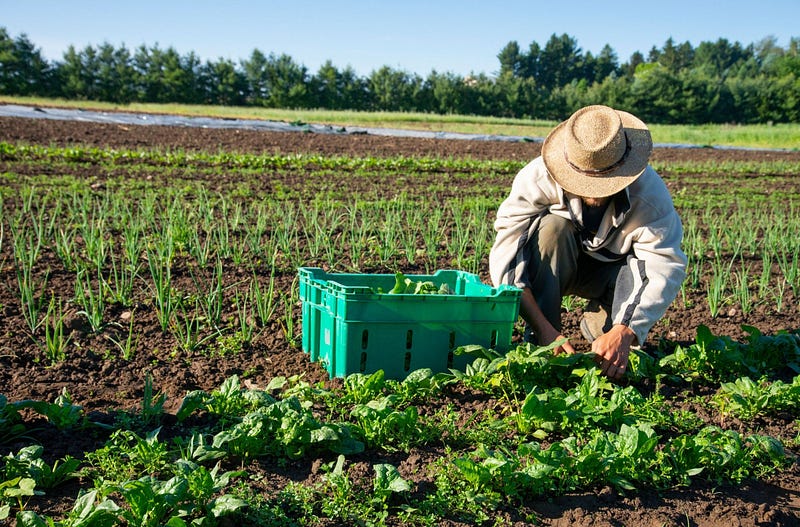
I wasn’t strong enough to get back to working on the farm but I loved visiting the rows of young crops. My son had gotten the fields planted and the tender green beans swayed in the breeze while the first orange blossoms of squash and cucumbers buzzed with bees.
One morning, my son thumped on my kitchen door and I swung it open.
“There’s no easy way to put this. Becky and I have hashed this decision over and over. We can’t keep living in the single-wide, we can’t get a loan to build a house, and the docs can’t figure out my weird joint pain. We need to sell our part of the farm. But you can stay here, if that’s what you want to do.”
I was taken off guard. “When are you thinking?”
“It’s going to take a while to get everything done. We’ll have to figure out how to split the land, if you decide to stay. Sell the equipment. There’s a lot to do.”
I hugged him, holding back tears. “You’ve got to do what’s right for your family. We’ll figure it out.”
We’d bought the land together, ten years earlier and by all measures, the farm had been a success. Nathan had cleared the forest and we’d added sweat, compost, and love to create one of the preeminent farms in Central Texas.
Planning ahead we’d checked and double-checked we could divide the land if one of us ever needed to move. My son’s mobile home was on one half and the house I’d built with help from my family, was on the other half. We thought we’d figured it out.
But now we discovered we couldn’t split our land because of county road restrictions. There was no hope of an appeal.
I’d have to move, too.
This time, after losing my place in West Texas, I thought I’d figured it out. All my plans for the future depended on staying in my house on the farm. I owned it free and clear. I could live on my retirement income.
I loved my place in the forest, the mysterious chuck-will’s-widow calling in the night, and the crunch of fallen oak leaves as I walked in the woods. I loved sitting on my deck with my cats early in the morning, laughing at the clumsy armadillos crashing through the undergrowth.
I wanted to spend the rest of my life there, growing my food and enjoying the country. Not only had I put soul and body into the land, but I’d hope the farm, what we’d built could be a legacy to my son, my grandchildren — and I’d failed again.
Perhaps, growing up on the homestead in Alaska, farming in Arizona, and those years spent in the wide-open spaces of New Mexico and West Texas had spoiled me. Living in a city, I felt smothered; I needed space and freedom.
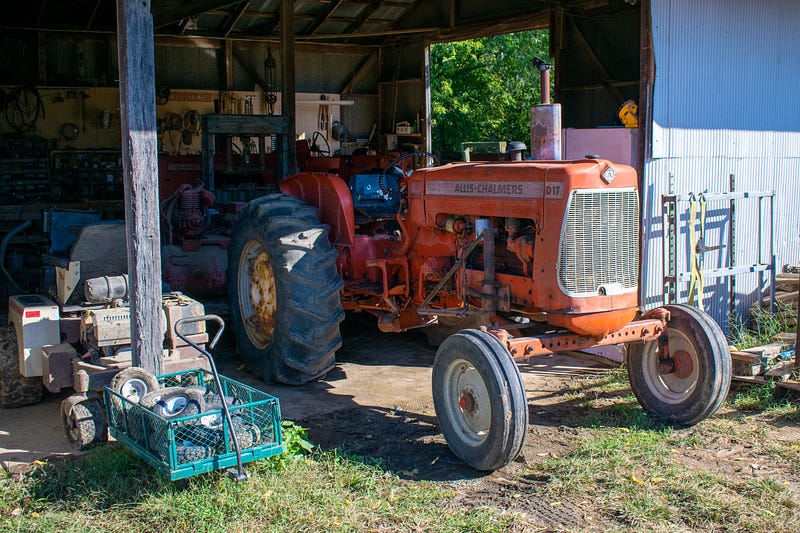
I’d be lying if I said it didn’t hurt. Every time we sold the tractors and the tools I felt my gut clench. I smiled on the outside when crowds swarmed the farm for our Selling the Farm Sale.
All those projects I’d put off while I worked on growing vegetables, finally got done; finishing the deck and painting my house.
Finally, the farm sold. At least it would continue; a woman with organic vegetable farm experience bought the land and planned to keep growing.
I was back in the whitewater rapids of my nightmares again, and always my paddle was missing. Damn! The one thing I craved — home forever, always seemed just out of reach.
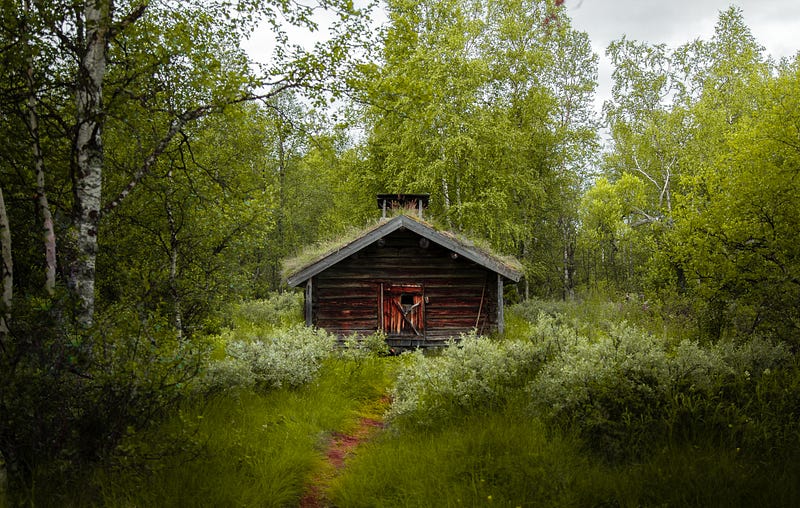
Kindness in his heart, my youngest son in a nearby town said, “Mom, why don’t you come and live with us. We have an extra bedroom and you can help since Kristen and I are both working so much. You can teach me, and your grandson, how to garden.”
It was a perfect idea — cooking, gardening, taking care of people. Home and family were the place I belonged. Planning meals, cooking, and cleaning, soon I took over the kitchen.
Next, I started on the yard work. Who wouldn’t want all that help? They’ll be glad I’m here, I thought.
We resolved to talk thing through if problems came up. My son pushed back when I made suggestions on how to fix the overflowing septic tank.
“Mom, you’ve got to stop treating me like a kid. I’ve got to figure things out by myself.”
“I know. I’m sorry, you’ve been doing fine the last twenty years,” I said, realizing sometimes it’s best to keep my opinions to myself.
Merging families is challenging. Living in daily contact with my family had been part of my life for fifty years. The family was gone to school and work all day and I felt at home cleaning and having home cooked meals ready every evening.
Then COVID brought my son and daughter-in-law home from their office, and my grandson became a reluctant homeschool student. My bedroom had been my son’s home office and the house suddenly felt cramped with all of us there every day.
Our co-generational experiment wasn’t as comfortable now.
I spent more time in my room with the door closed, trying to give the family their space. Then one day my son asked to talk privately. My stomach sank.
“Mom, this isn’t working for us. You’re going to have to find somewhere else to live.”
Shocked, another change I was not ready for. My mind raced, what had I done wrong? Should I have been doing more? Was I doing too much?
It had been just over a year ago, I’d lost my home on the farm yet I didn’t want to let him know how devastated I felt. He had to do what was best for him and his family.
“What’s wrong? Isn’t there some way we can work things out?”
“No, Mom. You didn’t do anything,” he assured me, “We just need our space. Take some time, I’ll help you anyway I can to find a place to live.”
Where would I go now and what would I do? I had been fortunate to live near or work with family members for my entire life. Directly from my birth family with five siblings, to marriage and five kids, then working with one or another of them for the last twenty years.
I couldn’t imagine life apart from those I loved.
Though I had some savings from the farm sale, it was not enough to buy property within 50 miles. Finding a house to rent was beyond my reach. The only place I could afford was in an over-55 complex, so I rented a studio apartment on the third floor.
Never had I, a country woman who prided herself on strength and resilience, expected to live with all these old people. Never had I planned to live in an apartment in the city with nowhere to garden.
Isolated by COVID, separated from my family, with no physical work to do. I felt bereft, worthless, and without value during those weeks. I wept. I wailed. Without direction.
When I could cook, clean, build a business — do anything with my family, I had purpose. Give me work that helps somebody else, no matter how hard, and I am euphoric. But, without others to give me meaning, I was empty.
Alternating between numbness and sorrow, I felt like an old wolf driven away from her pack to die.
Each day, it surprised me to see the sunrise.
Sitting at my desk, staring down at the glaring, empty obnoxiously blue swimming pool, the traffic grated on every nerve. No grass, just an artificial turf putting green. No stillness, no peace.
Silently I begrudged the apartment residents walking their puffy toy poodles and trembling chihuahuas. Those aren’t real dogs. Will that be me, shuffling along with a walker? My life is over.
I kept my head down and avoided speaking to anyone I passed in the hall.
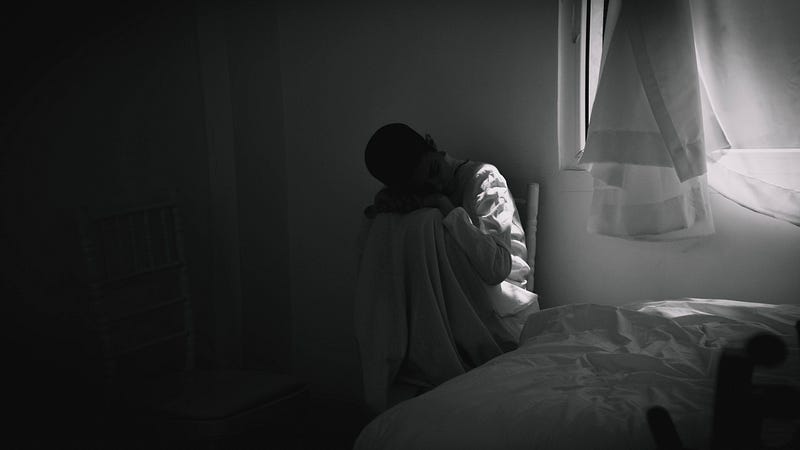
Alone, perhaps this wasn’t the ideal time to be working on the memoir I’d begun the year before.
My life seemed like a never-ending labyrinth of choices made and perhaps regretted in hindsight.
Or maybe this was the perfect moment to dig through my memories. I was defenseless against the walls I’d built to separate vulnerable me from the capable, self-sufficient adult self I portrayed.
Without others to talk to, with no work except my writing, it was as though I was looking in a mirror and not seeing a reflection.
I was fading from sight.
When an author skirts around sensitive topics, reluctant to admit truths, readers know. I didn’t want to be that writer. Instead, I knew I had to dig for the pain deep in my heart.
Excavating wounds hurt, but knew it was the answer or I could stay lost forever.
I’d prided myself on being an optimistic person. I had spent my whole life trying to not be like my mother. Still, here I was, wallowing in depression and disappointment, just like her. She died alone, shattered into fragments of the past.
I knew my father had found his only worth in work and when that was done he had no meaning in life.
Just like my parents, I might die alone and broken if I didn’t confront my inner demons.
It was time to step up, as we say in the country. Life beckoned and I knew I’d better write my way forward.
Writing your memoir is an act of courage, an encounter with imagination and memory, and a way to build a bridge from the past to the future. Experience the power of writing your memoir now.—Linda Joy Myers, The Power of Memoir
This is just one chapter in my ongoing story. I’m still writing and my joy has returned with each page I am grateful to say. It’s not easy to learn to write, especially about oneself.
But with the help of others who’ve walked this trail before, including my favorite virtual mentors, Linda Joy Myers at the National Association of Memoir Writers, and Marion Roach Smith, I’m getting it done.
After you learn how to truly observe the life you live, the result may be excellence—in both the writing and in the living.—Marion Roach Smith, The Memoir Project
When you read a memoir, do you want to see photos of the people in the book? If you’d like to see vintage photographs of the folks in Cindy’s stories get a free photo book here.


