
The Healing Benefits of Creating
How a regular practice of expression leads to wellness
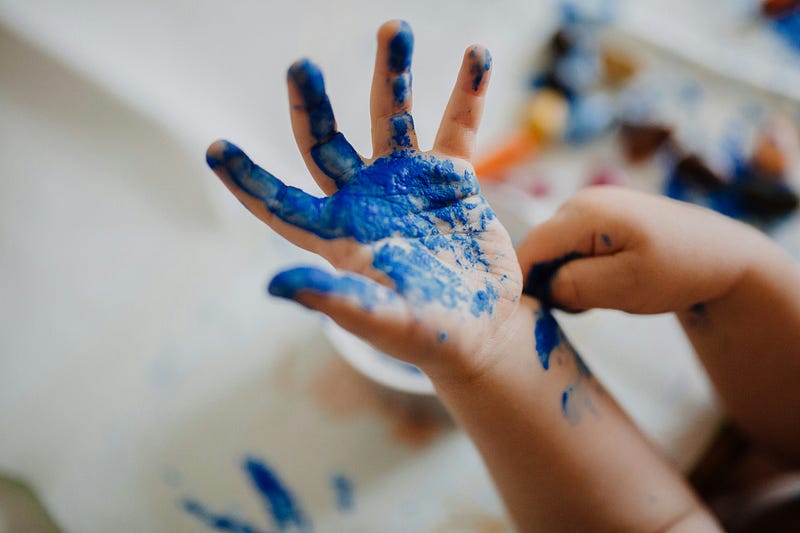
On rainy summer days when I was a bored tween-aged kid, Mom would tell us to get dressed and hop in the car. It was time for a trip to Eynon Drug Store.
The name of the store was a misnomer. Though you could find medicines in the drug store section, Eynon Drug also had furniture, clothing, groceries, jewelry and appliances. It was a Target on steroids, with a local flair.
I loved to look through the clothing section and knew I could ply a new pair of jeans out of mom but today was not a clothing expedition. Instead, she walked me to the arts and crafts section and told me to pick out something I would like to do. She’d be back in half an hour and walked away with Dad and a long list of what she needed to get.
Rows and rows of bright colored acrylic paints called my name. Canvases and paint brushes sat next to colored pencils and colored chalks. In the future, all of those things would be appealing to me, but today I was focused on kits, oil painting paint by number kits to be exact.
I perused the kits to paint pictures of kittens at play, or of the Last Supper, or of flower vases filled with roses. There were circus scenes, ocean scenes and covered bridges. Elvis, Marilyn Monroe and the Beatles all sat staring at me, sketches with tiny blocks numbered for specific color paint and ready to go. Anyone could be an expert at painting these. So said the boxes.
I chose two kits. The first was of a milk glass pitcher with two oranges sitting next to it, one peeled and ready to eat, the other sitting whole on a wooden table. The second was a country scene with two horses standing outside of a barn. Mom returned and smiled at my choices.
We got home and as the rain continued on this too cold summer day, I started to open all the tiny plastic containers of paint, carefully setting them out on a work table. Oil floated on top of each little jar, so I used toothpicks to stir them until the consistency was right.
There’s not a lot of thinking to do with a paint by numbers kit; yet, for some reason, this process captivated me as a twelve year old. I liked the feel of the paint and how it slid easily across the canvas. I liked the smell of the linseed oil and the turpentine filling the room. I loved seeing the picture emerge. Time passed as I quietly sat carefully placing the right colors into the right spots. Rainy summer days became days where I enjoyed being inside. Inside the house. Inside myself.
Making something always lightened my mood. Mom would come watch and smile, affirming me for my carefulness. Her comments always included a statement of how much painting seemed to relax me.
It is much the same today. There are no more kits. Now I use reference photos as inspiration to create paintings. In retirement, I have taken classes to learn how to oil paint. Though I am learning much about technique, the process is much the same for me. It takes me away.
I love feeling the texture of paint as it moves across the canvas. I enjoy mixing and blending colors with attention to color’s hue and value. I’m drawn in by the chroma of color, how intense or subtle it is.
I have come to recognize that creative expression is a medicine I need daily. It doesn’t matter how simple or complex the process is. What matters is that I stay in process, regularly and consistently. Creative expression grounds me.
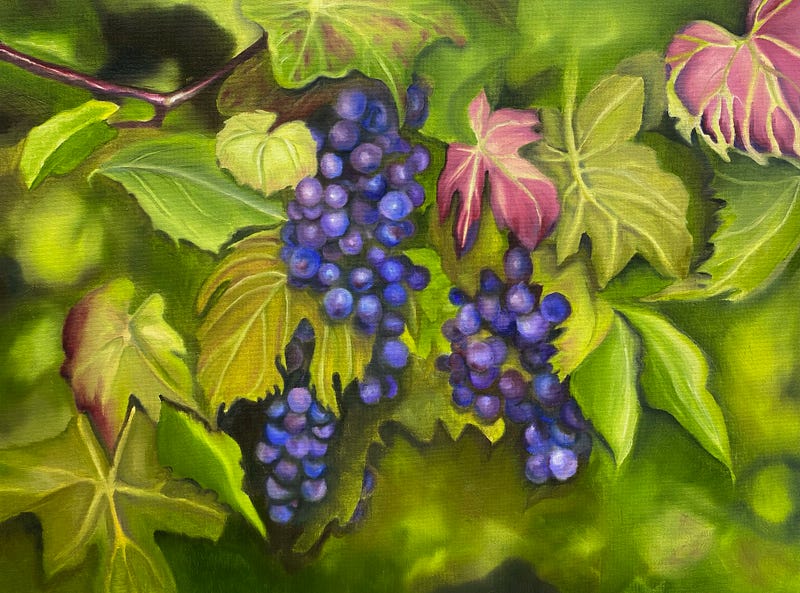
Always having a project going keeps me engaged in the present moment. Whether it is writing, cooking, baking, gardening or painting doesn’t matter so much. By committing to some sort of creative expression every day, I am honoring a part of my spirit that needs to be noticed and wants to be nurtured.
There is nothing accidental about what is happening inside someone who exercises creativity according to Dr. Girija Kaimal, an expert on the effects of art therapy and creativity.
The act of creation can reduce stress and anxiety and improve your mood, says Girija Kaimal, a professor at Drexel University and a leading researcher in art therapy. And flexing our creative side can give us a stronger sense of agency — the ability to solve problems by imagining possible solutions.
Developing a habit of creative expression can be the medicinal balm we need to not only make it through difficult times, but to thrive during them.
Christianne Strang, a professor of neuroscience at University of Alabama states that, “Creativity in and of itself is important for remaining healthy — remaining connected to yourself and remaining connected to the world.” That is quite a bang for the buck. No matter the practice, with consistent effort, the result can be the same - better mental health.
Coloring books, doodling, journaling and even, paint by numbers can pop much needed endorphins. Talent, or lack thereof, is inconsequential.
Recently, during some playtime with my granddaughter, it became clear to me how revelatory creating can be. She is a mature three and a half year old who enjoys many different activities, particularly ones that involve creating.
As she sat drawing shapes on the large piece of construction paper, a circle emerged. She added two arms, and two legs, eyes, hair, and a smile. It was a first. Amorphous shapes became a picture of her. When she was finished, she got up and moved on to her next form of play.
We see ourselves in our creative expressions. We capture the world around us. It helps us. And, surprisingly, Kaimal says “you don’t even need to complete a project or like what you’re making to feel those health benefits.”
That’s quite a promise, one that silences my inner critic. If I know that exercising my creative muscle improves my well being and how well I do it does not determine the benefits I receive, then why not make it a habit.
At one time in my life, I focused on creative expression only when all my work was completed. That often meant that I had very little time left for what should have been a priority. Often, I never got there at all.
These days I flip that.
The creative expressions are at the top of my “to do” list.
When asked how often we should practice, Strang says that there are no hard and fast rules for how much time you should devote to engaging in art.
Her suggestion? Do “as much as you can get away with.”
Sounds like a plan to me.