The Heady Scent of Roses Takes my Breath Away
Reciprocal November nature prompt: “Memories of a garden”
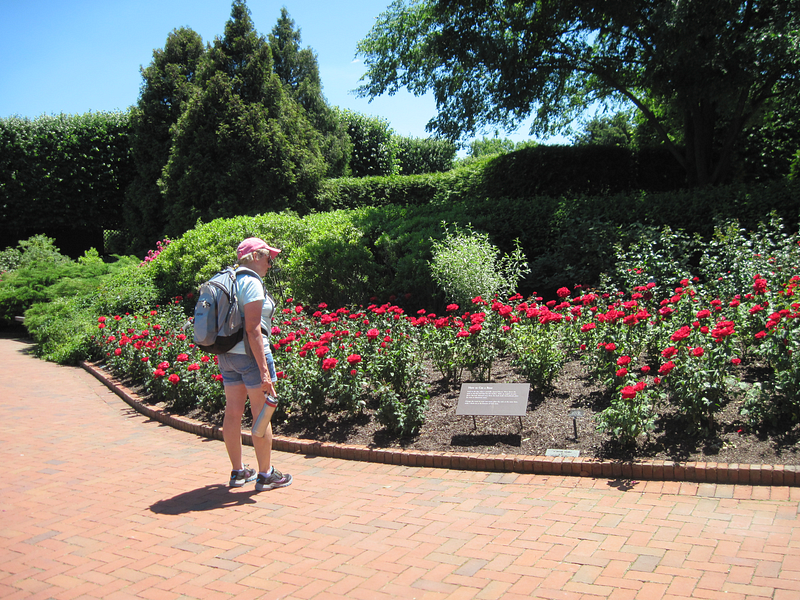
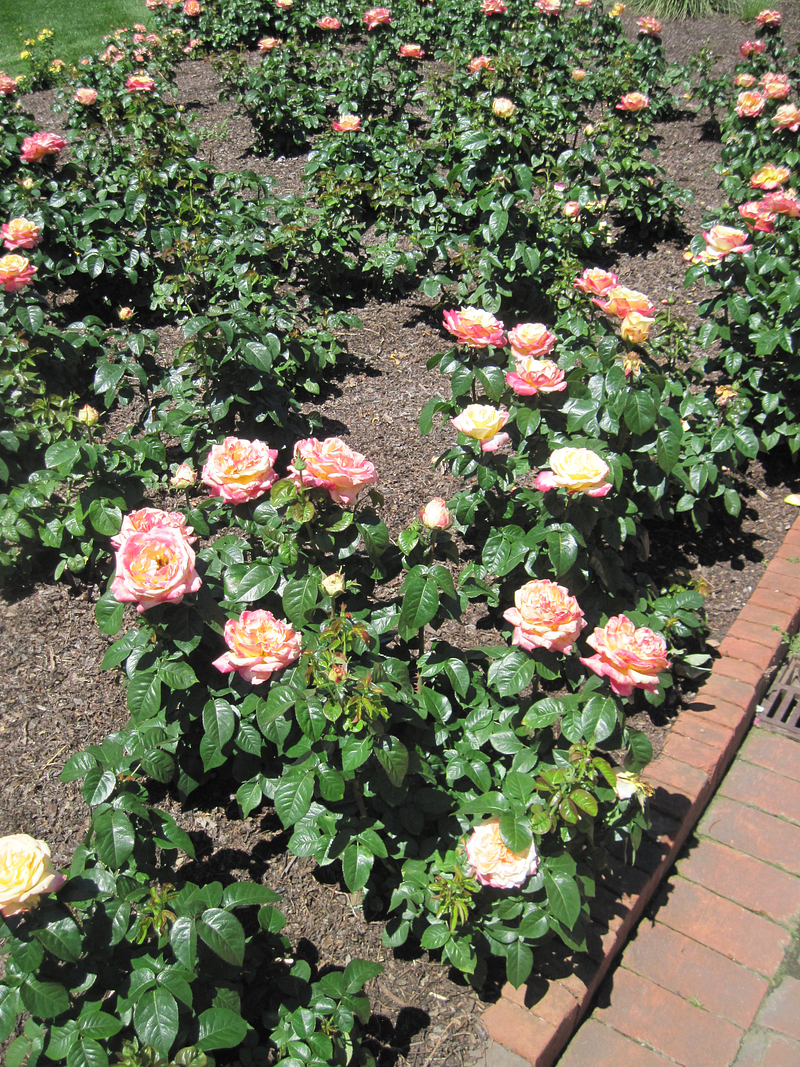
One fine June day four women in my immediate family decided to visit the Chicago Botanic Garden. Three of us have roses, perennials, and annuals in our own yards. There are more than 5,000 roses in the Krasberg Rose area. June is the month when they put on a spectacular show. We were all devotees of the delicate but charming rose.
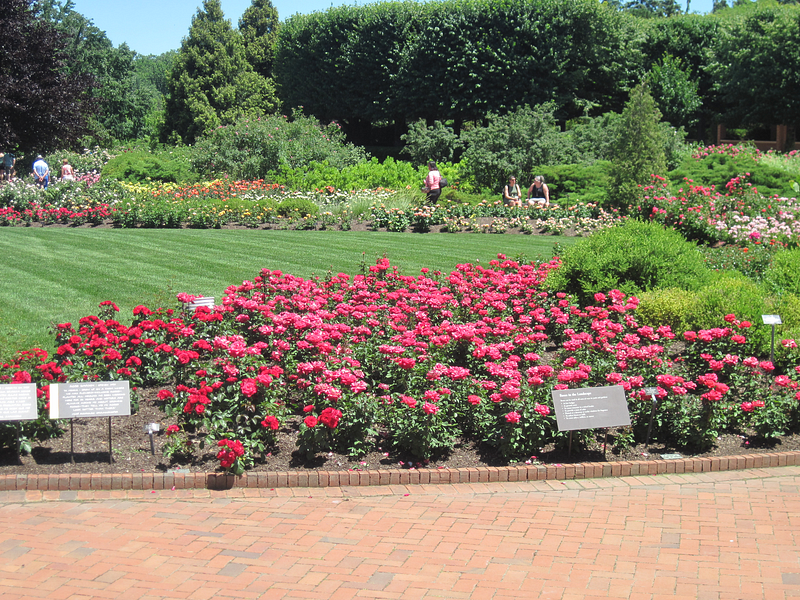
To be featured, a variety has to be not only beautiful but extremely hardy to the Illinois climate. They must be low maintenance, resistant to disease and insects, and have a long bloom time. Two gorgeous grandifloras named “Hi Neighbor” and “Love” greet you at the entrance. Grandiflora rose bushes can grow 5 feet tall with clusters of large blossoms.
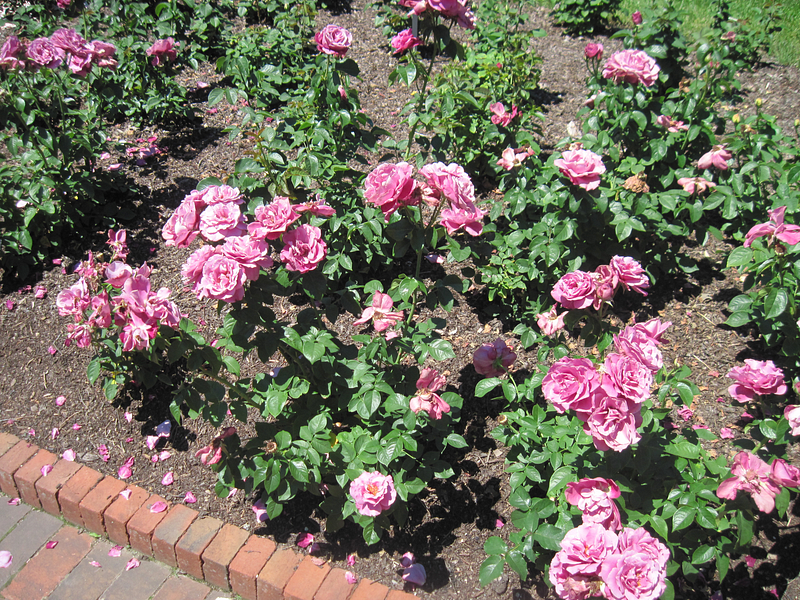
Hybrid teas such as Love and Peace, Ingrid Bergman, and Opening Night are in this section. They make great cut flowers for their long stems and spectacular buds. But this genus requires the most care. They must be protected in winter and pruned properly to keep blooming. They need spraying to prevent black spot and manage disease.
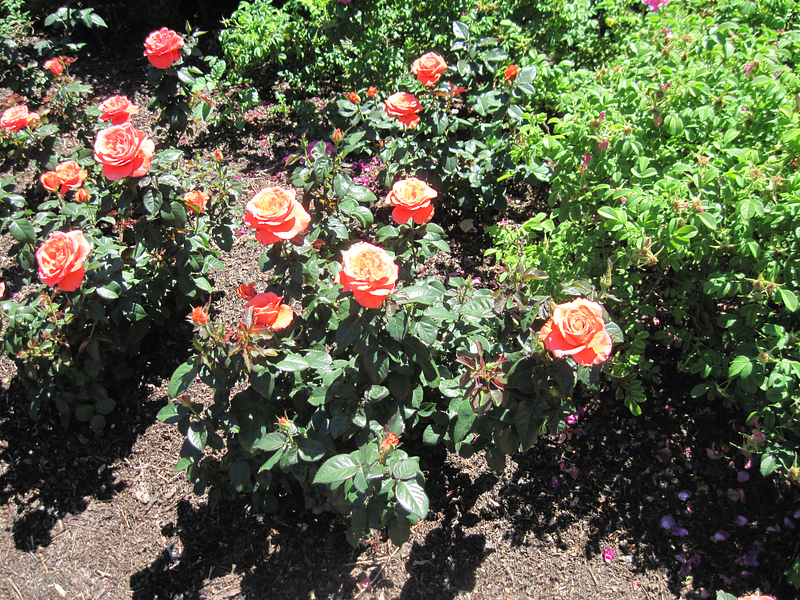
Hybrid rugosas like Therese Bugnet and Monte Casino form backdrops to smaller miniatures. They highlight roses like Cupcake, Gizmo, Beauty Secret and Sun Sprinkles. These look best at the front of a border.
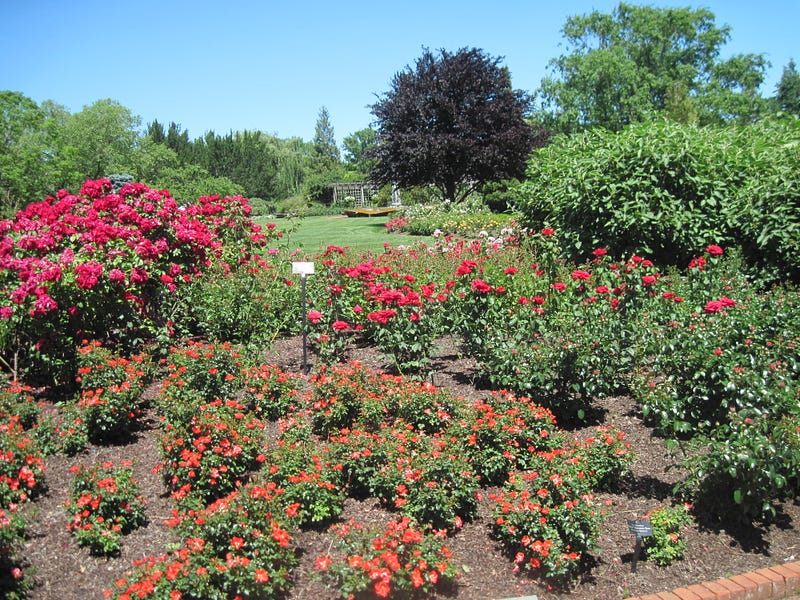
The floribundas like Singing in the Rain and Pink Iceberg fit well in mixed borders. These roses are shorter and squatter, displaying clusters of flowers on short stems.
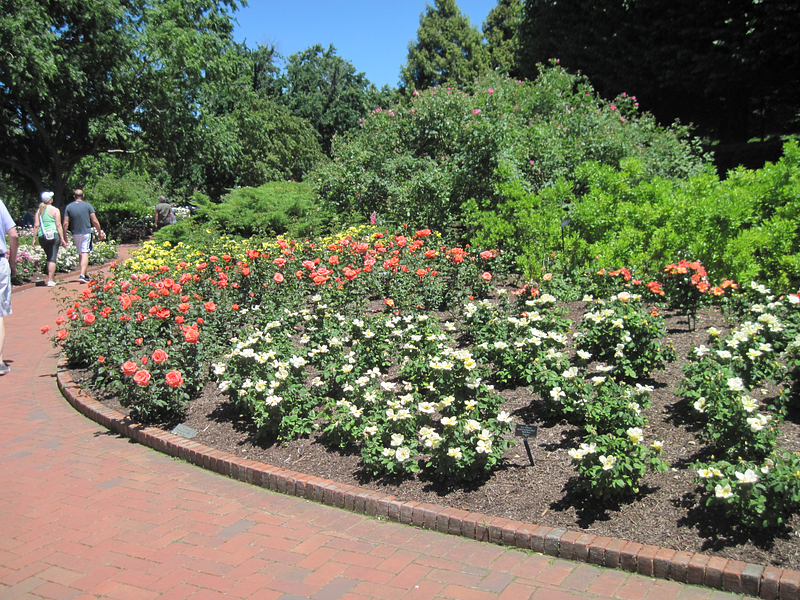
Shrub roses are a perfect choice for gardeners with little time for complex care. Will Scarlet, Fire Meidiland, Golden Wings, and Bonica are popular brands.
The Rose Petal fountain shaped like an open rose blossom had its own open space.
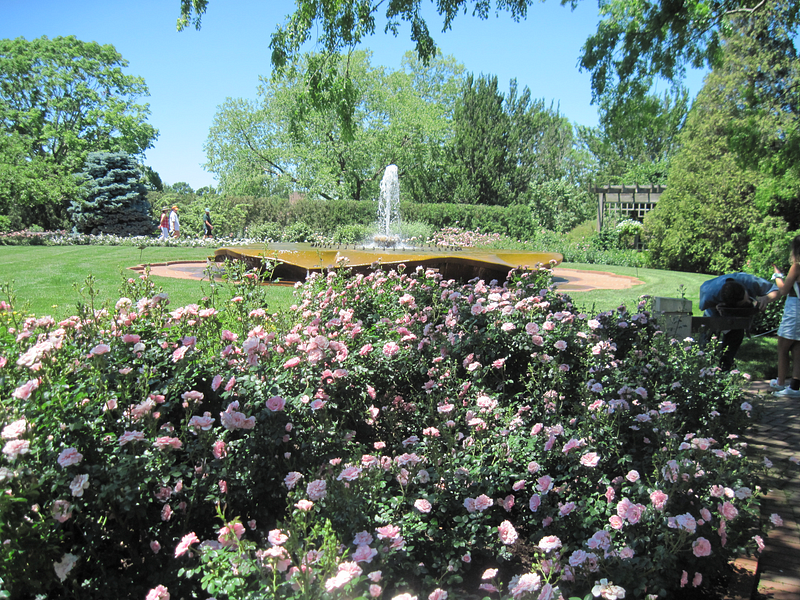
Interspersed among dedicated rose plots are shady arbors and nooks with benches. Shade loving plants like autumn clematis, ferns, and hostas complement them. These offer great places to rest. There are hanging baskets of annuals in season throughout the walks.
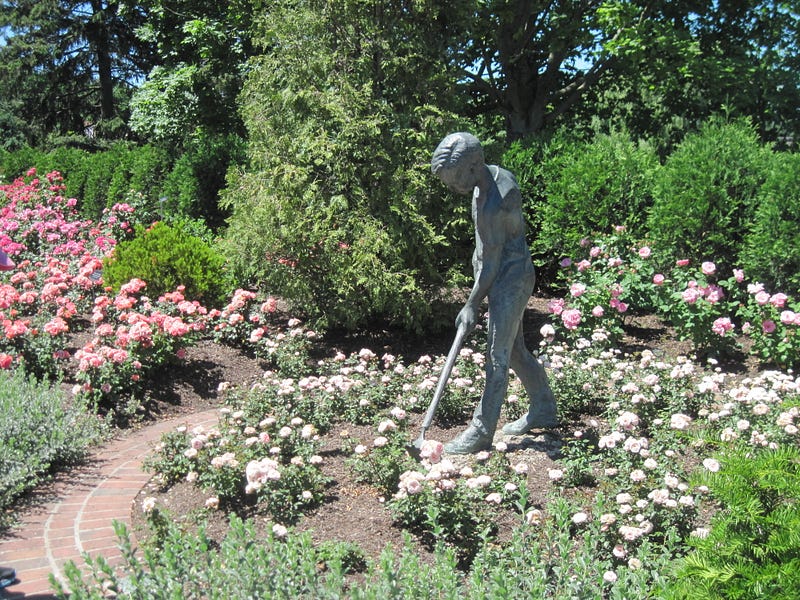
There are also “old garden roses” or heirlooms. While roses are the main focus, arborvitaes and boxwood hedges form barriers. Chinese red pine, crabapple, lace-bark pine, and Chinese elm trees provide elegant charm. Early flowering shrubs lend color and fragrance before the roses begin to bloom.
Butterflies and bees find intoxicating scents. Viburnums, lilacs, tree peonies, spireas, and northern bayberries abound. These shrubs grow among the thousands of roses displayed on the grounds.
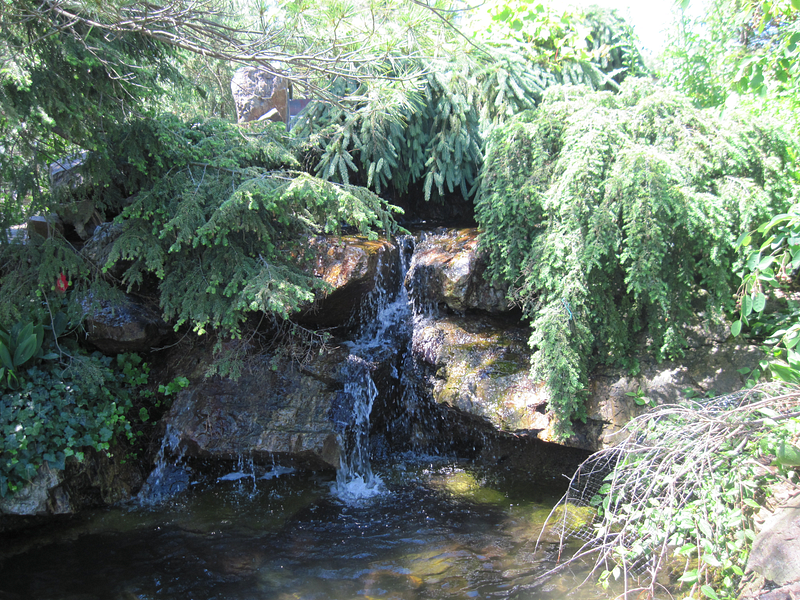
This majestic garden is more than a collection of rosebushes. Landscaped grounds show all flowering plants to best advantage. Soft evergreens, ground covers, vines, and perennials complement colorful varieties.
Winding paths invite one to take a leisurely stroll. Mesmerized, we found it difficult to leave and walk to other featured areas.

There are 27 display gardens with bridges connecting nine islands. Children will enjoy a nature play garden designed especially for them. There is a net covered butterfly habitat for tropical and native species and a bonsai garden. It would be impossible to explore all 27 areas in one day.
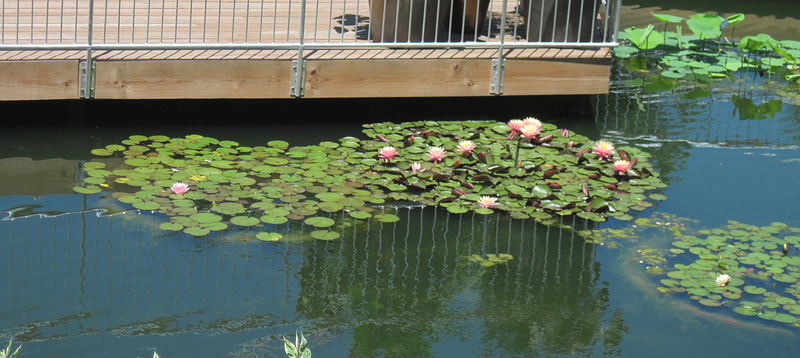
Visit their website www.chicagobotanic.org for ongoing seasonal events. A visit here is one to remember. We had a delightful day to treasure forever.
Thank you Sahil Patel for allowing me to revisit a Chicago garden with your prompt: “Memories of a garden”.
Memories in Bloom: Sharing Our Special Moments in the Garden
Second Week Prompt Of Nature
medium.com
Libby Shively McAvoy writes about childhood memories growing up where she was surrounded by many gardens.
Dr. Preeti Singh explains the significance of a beautiful holiday festival that lasts for a week in India.


