
The Hardest Part Of Veganism Might Actually Be The Judgement From The Other Vegans
What I Learned From My Three-Month Journey So Far
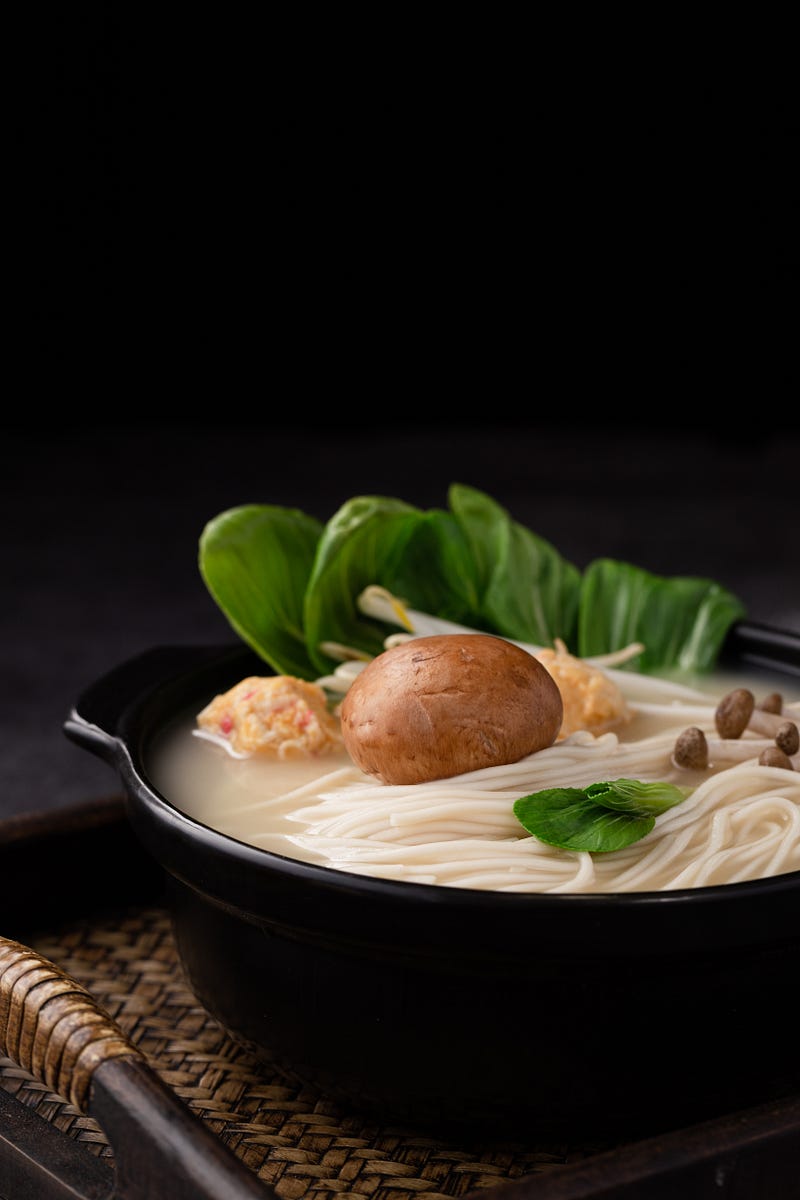
Three months have passed since I embraced veganism and I thought it would have been quite a challenging journey was actually not. With resources are ubiquitous these days, embracing veganism as your lifestyle has been smoother than on the old days for sure. So I take off the hat for those in the early days who started their journey from a bumpy, rough road.
Veganism has made me aware of what food I consume. Peering into the tiny printing of ingredients on the food packaging in the supermarket is actually more challenging than deciding what to cook or eat for the day.
Australia food industry is very complex due to the multilayer involvement of people, places and processes. According to the Australian Institute of health and welfare, meat is the largest food industry of the nation. In 2010–2011, it made up 34% of farm and fish production, or 44% if including milk.
Though recent statistics about the number of vegan in Australia doesn’t exist, Vegan Australia Organisation, on their website, reported data from the National Nutrition Survey and other studies estimated about 2% of Australians are vegan — approximately 500,000 people. But the most recent survey uncovered that there are almost 2.5 million Australians whose diet is all or nearly all vegetarian and that nearly 10 million Australians are eating less red meat.
I recommend that Australian Bureau Statistics has to include an additional question on their census: the diet type behaviour. This question is vital to observe the shifting of people’s eating behaviour as well as it is crucial data for those involved in food industries.
The four animal products are lurking in food packaging.
Frowning and peering into the printed good packaging, I found four everyday animal products lurking in the food bags in major Australian supermarkets. So whenever I read the following ingredients, I place it back and walk away:
- Albumen. The food contains albumen usually derived from the egg white. Based on its data in January 2019, Food Standards Australia and New Zealand clearly stated on their website that albumen or albumin found in a diverse range of food such as baked goods; biscuits, cakes, croissants, doughnuts, confectionery products; chocolate, crumbed food, mixed drinks, and even wines clarified with egg white. You might think wine is always vegan, the process to clear this grape liquid using some animal parts, milk and white egg though it left no animal trace. I bought a couple of bottles and always assumed that wine was vegan, but reading the label carefully, it clearly says that it contains milk and egg substance.
- Carmine or carminic acid, cochineal, and shellac — under food additive number 120 — are ground-up insects. Sydney Morning Herald reported that in March 2012, Starbucks came under fire for using cochineal (scale insect) extract in its strawberry frappuccinos, smoothies and pastries. It attracted more than 6500 people who signed the petition. In Australia, cochineal can be found in a range of products including savoury sauce, flavoured milk, confectionery, cake, dip, dairy dessert, ice cream and yoghurt.
- Casein, lactose, and whey: They’re basically cow milk. On the Dairy Australia website wrote that whey is a by-product derived from the cheese producing process. Some products with whey powder content include ice-cream, bakery products (cakes, biscuits), chocolate flavouring, infant formula, yoghurt, beverages and processed meat.
- Gelatine is made from animal parts such as skin, tendons, and ligaments. It has been an agent binder for hundreds of years, such as lollies, jelly, desserts, soups, and sauces.
Well, there will always be mistakes here and there, and you’re learning from them. Veganism journey evolves from the uncharted territory of unknowing to the awareness; Where does your food come from, What process it involves? What are the contents?
Plant-Based wholefood is easy, flexible, and it is healthy.
Plant-based wholefood is the key to your health, and it is for sure good for the planet earth. According to Healthline website, plant-based wholefood has some benefits, such as reducing the risk of heart disease, certain cancers, obesities, and cognitive impairment.
But what is a plant-based whole food?
Though there’s no specific definition, the primary sources of whole foods, plant-based diet can involve minimalised processed foods with no animal products or by-products, which can include vegetables, fruits, whole grains, legumes, seeds and nuts. Refined foods such as added sugar, white flour and processed oils excluded from plant-based whole foods. Though it isn’t restricted, the resources of organic foods are recommended to conclude the plant-based whole foods.
You just don’t want to open any food packaging, and you’re just too lazy to cook a storm of soup or pasta. Wholefood with minimalised cooking or no cooking at all is the answer in the busiest day — which is not the case for me. But sometimes there are days that you don’t want to cook at all. So blending everything into a glass or two of liquid food with sides of fruit platters and slices of vegetables on a lazy sunny Sunday will always sound right for the day.
Cooking should be made simple for everyone because neither you nor I aim to be a Michelin starred chef.
Keep exploring new ingredients and techniques because being vegan is about embracing any possibilities to the whole new world of cooking and eating. I didn’t know that vital gluten even existed until I became vegan. It was the same faith as nutritional yeast. I found out many ingredients every day. I tend to avoid complex methods of cooking. When cooking a meal, keep it as simple as possible. It saves you from the hassle of dishwashing as well.
I found out the vegan cookbook by Isa Chandra Moskowitz, ‘I Can Cook Vegan’, helped me to understand some essential ingredients in cooking with apparent typos and simple techniques, and of course, a little bit of a story background what the meal meant for her. The book is complete with terminology on the back, index pages — it’s a mini dictionary if you like. When I travelled to Ubud Bali, I had scrambled tofu and fell in love with it that I almost had it every morning. So here comes my favourite scrambled tofu is one of my favourite recipes from her book.
Some of my favourite vegan YouTubers, helped me as well. Wil Yeung showcases his specialty in Asian cooking with simple techniques and familiar ingredients. My favourite one from his is vegan Ramen. Though I don’t follow his recipe entirely, I changed his original kombu and shiitake broth because kombu is still rare in Australia unless you want to go for a lengthy of search online — and I couldn’t be bothered. I changed it with veggie broth made from celery sticks and carrots and shiitake mushroom.
A vegan YouTuber Avantgardevegan helped me veganising any food range from Asia, Middle Eastern to Western cooking and it is easy to follow the recipe from fish and chips, meatballs, and pasta carbonara — and yes, they’re all plant-based. Another favourite YouTuber Mary Test Kitchen explores the easy method to veganise your favourite junk food such as fried chicken per se.
It’s the bullfight arena of the judgemental vegan and those alike.
In this three-month journey, I found out the most challenging part of veganism might be from judgemental vegans. Reading comments, and judging other vegans that what you are doing wrong and playing you down by saying you’re not vegan, you’re plant-based is just pretentious and wrong.
This is like the bullfights arena when it comes to the definition of vegan from other vegan puritans against the other vegans who — like myself — intend to exclude animal products and by-products in their diets. But plant-based diet isn’t merely enough for other vegan puritans to exclude you from their definition of vegan. When they’re not busy hating the meat industry, how the so-called compassionate vegans end up so furiously against other vegans?
In 1944, Donald Watson started the term vegan under the compassion grounds of animals and a healthy lifestyle. On April 8, 1945, Watson and his friends founded ‘The Vegan Society’. But later the definition changed. The vegan diet itself isn’t enough. The first definition initiated by Watson slowly evolved from being just eating a vegan diet to diminishing animal products and by-products from a vegan life forever.
According to the recent one; though your diets are plant-based, you’re not vegan if you still keep or wear your leather shoes. In only six years since Watson, animal right activists took over the Vegan Society and changed the entire definition of vegan and then all of a sudden, we’ve got this grating, judgmental animal rights organisation.
Peering into tiny ingredient printing on food snack packaging could be challenging, or cooking an elaborate vegan meal might be tricky, and it could be heart-wrenching to watch large commercial farms exploiting animal to a degree of violence. Still, it’s also disheartening in a position of the bullfight arena between vegan animal activists imposing their truth to other vegans.