
The Happiest Country in the World: Why Denmark is So happy
I’m not a Dane but have been living in Denmark for over 5 years. This is my perspective of why the Danes are the happiest bunch!
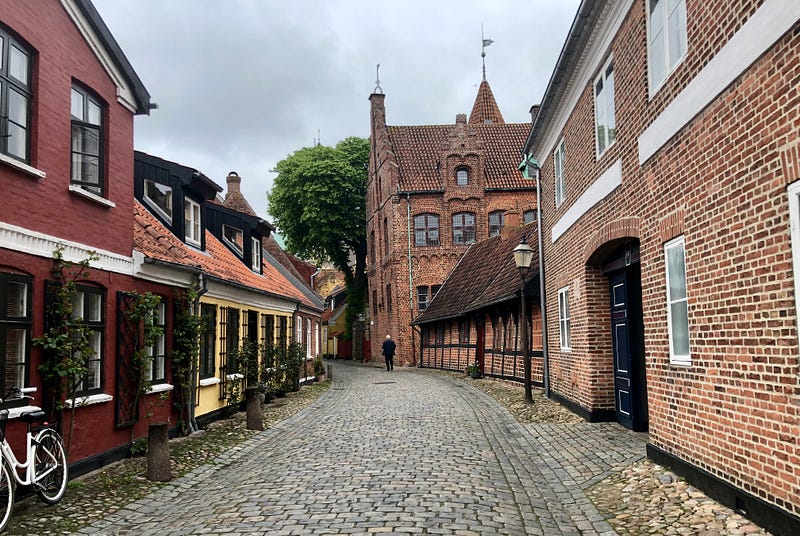
I’m sorry folks, the happiest country in the world isn’t USA or Australia.
It is Denmark!
So what makes Denmark the happiest country in the world?
It’s a complex question with no easy answer (unless you are a Dane). But several factors contribute to Denmark’s high levels of happiness. In this post, we will explore why Denmark is so happy and what you can learn from their example!
I’m not a Dane but have been living in Denmark for over 5 years. This is my perspective of why the Danes are the happiest bunch!
Before we get into that, our Finnish and Swedish neighbours may disagree and claim they are the happiest. But it’s okay. For the last two centuries, they’ve been bickering with each other and yet co-operate happily ever after!
High Trust: Denmark is a high trust society where people trust each other and the government. This creates a strong sense of community. People feel connected to one another and are more likely to help out in times of need. You don’t feel that someone is out there to get you all the time!
The state takes care of you: Denmark has a lavish social welfare system. It includes unemployment coverage, pensions, and other services. This ensures that everyone has access to basic necessities, contributing to their overall happiness.
Healthcare is free: Denmark has a universal healthcare system. That means all citizens have access to free healthcare. This contributes to the overall happiness of Denmark’s citizens, as they can receive medical care when needed without having to worry about costs.
Education is free: Denmark offers free education from pre-school to university level. This ensures that everyone has access to education, leading to a better life and more opportunities.
Daycare is Affordable: Denmark offers affordable (free in some cases) daycare for children aged 0–12 years old. This ensures that parents can work without worrying about the costs of childcare.
Citizens are responsible: In Denmark, citizens are responsible for their own happiness. They are not reliant on the government to make them happy but take actions themselves to improve their lives. This is done through a combination of relying on the social welfare system and being active in their local community.
No Ego: Denmark know they are small. They will never compete with Dubai! If they can’t construct the biggest, they’ll settle for cozy. They don’t compete on the scale — they compete on being unique!
Work-life balance: Denmark also has a solid work-life balance culture. Employees are given generous vacation and leave policies. This allows people to have a healthy work-life balance, which leads to increased happiness. Almost everyone gets four to six weeks of paid vacation every year!
Most people take 2–4 weeks break during summer, and another 1–2 weeks during winter. That is normal when people say that they’ll be back in a month.
When Danes watch Suits, they wonder what’s wrong with New York law firms people. In Suits, people yell all the time and do crazy hours. And they constantly keep chasing something. That is everything the Danes dislike. You live only once. Live for yourself, not your employer.
Cycling: Denmark has an excellent cycling infrastructure that makes it easy and safe to get around by bike, which helps reduce traffic congestion and pollution, two factors that can contribute to unhappiness. In Copenhagen, where I live, bikes outnumber cars by 5 to 1.
Friendly Neighbours: Denmark is surrounded by friendly neighbours, which helps create a sense of security and belonging. No need to build walls. No need to send them back to where they came from! A lot of money is saved and goes back to citizens!
Denmark is in Europe: Denmark is a member of the European Union, which provides individuals with feelings of security and belonging. Switzerland, France, Germany, Austria, Norway, Italy, Spain, Portugal, and many other countries are nearby. You can reach most of them by car.
Everyone speaks English: This makes foreign visitors interact with locals easily, contributing to their overall enjoyment. I’ve never met someone who doesn’t speak English. That’s great to see, given how protective Danes are of their language.
I can go on and on (actually, I intend to in my subsequent posts). There is also a long list of what can be better (you guessed it, will be another post).
Thanks for reading! I wish you all the happiness!
I would like to tag Dimitrios Fanourios Pischinas for his post about travelling in the Indian deserts! Though my roots are from India, I’ve never been to the desert — https://readmedium.com/wandering-in-the-great-indian-desert-f23e1ab98ba5
Follow me for more like this, and you can also subscribe to emails so you’ll know as soon as my next post is out. If you are not yet a member, you can join in and get access to the work of thousands of writers, use the link here!


