
The Grove
Some things shouldn’t be disturbed.
Inspired by a writing prompt posted by JF Danskin. I hope you enjoy it.
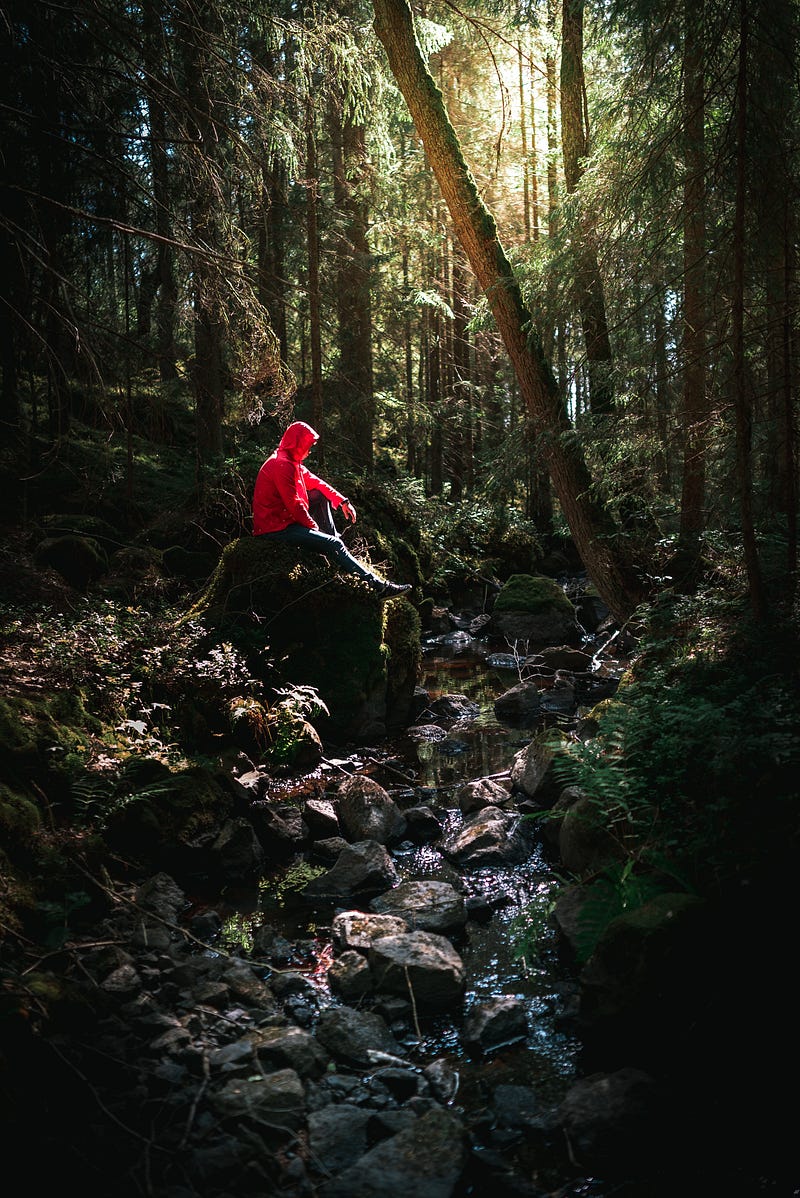
All of this for a factory. All of this mindless destruction in the name of profit.
It was a place of beauty once. In an untouched grove of ancient trees, a flowing spring of clear water trickled between the halves of a cracked and tilted stone. It looked as if some giant had taken it upon himself to hew the boulder in half to prove his strength, and the soft blanket of green moss spoke of countless years spent beneath the shadow of swaying boughs.
It was custom for visitors to leave a gift upon departing- at least, those who remembered the old ways. Cleaning trash from the grove was a right of passage for some, leaving strands of old cloth fluttering from branches, wishes written in thread and knots.
The pool forming at the base of the stones was alight with the shimmer of gold and polished gems, the due tithe. Not required, but welcomed all the same. A flower left in a shaft of sunlight was just as welcome, a seed that would take root and grow was thought to be cherished most of all.
It was said a spirit dwelled here, something of bark and loam and woven grass. Some would swear with hands on hearts they’d felt it watching over them when they came to pay their respects. Not to be seen, nor chased, nor feared. It simply was. And it gave the faithful no trouble.
That changed when the workmen came.
They cut into the earth, carving lines and boundaries into the sod of the surrounding fields. They measured out where the building would go, careless of the history, of the importance of this place they would mangle in the name of industry. It was not their fault, they were doing their jobs. But their hands held the spades, and so they brought trouble on themselves.
It was not right to dig this way. The forest never dug. It built, it layered, old dead leaves atop living soil, discarded branches rotting away. Every year, another fall of dead and dying to wither and feed the young and lively.
But the workers cut so deep the world bled. Red clay, centuries of old pine needles leaving their rust behind. When it rained, it ran and stained their clothing, their hands. The mark of what they were bringing about. But they thought nothing of it.
The old trees began to fall to make way for concrete and rebar. The slow creak of the trunks as they tilted, as they were broken, like screams as they came crashing down and brought their saplings with them. Families destroyed forever, generations lost.
And so the trouble began. It started small. Trucks and equipment parked on site began to die, one by one. Mechanics couldn’t explain it, there was no cause that they could find. There was nothing wrong with the machines at all. They simply refused to start.
Rust began to show on newly bought steel. Faulty work, the men complained, cheap stuff with cut corners. Figures, the higher-ups couldn’t be bothered to come down and see the conditions themselves. They made do until the tools broke and requested replacements.
Delays plagued construction, and when the new tools began to go missing they began to suspect sabotage. A hammer left by a worker’s side would vanish when he turned his back. A saw would be gone from the kit at the start of the day’s work, and be found broken.
And all the while there was a feeling in the air, slowly deepening as the work pushed further into the shade of the trees. Men grew nervous and spoke of being watched. The nearer they went to the old broken stone the less they felt like pressing on. The air felt like a weight on their chests.
They ought to have taken heed. Accidents happen on jobs like these, and so the first death was less shocking than it should have been. A tragedy, a well-liked man who would be dearly mourned by all. They swore that the tree had been secured before cutting, and the straps should have held. An investigation would be carried out, rest assured.
The crew ended work early for the day, nobody had the heart to continue. And in the sudden silence, there was an eerie satisfaction.
The next death was more alarming. An accident with the equipment, an unexpected malfunction. He died in hospital, feverishly whispering of the eyes in the forest, of angry trees wringing their roots like old gnarled hands.
The workers complained. Begged their bosses to stop, to let them pack up, to go home. They were threatened, cajoled, and sternly warned to buck up and shake off their raw nerves. Warily they did. And death came again.
When they reached the old stones they waited, certain that doom and wrath would come upon them at any moment. But it wasn’t until they tipped the first rock over, when they pulled it from where it stood that they were proven right.
The chamber beneath it began filling with water from the spring within seconds of opening, and the men splashed into the hole to pull up their find before it was ruined. Wrapped in threadbare cloth, the faded effigy seemed harmless. Baked clay, braided meadow grass and spruce cord in the shape of some long-forgotten creature.
And when they disturbed its burial, they found that things could get worse. That was when the dreams started. Dreams of hollow eyes, of running through an endless forest. Clothing drenched with cold sweat, clinging to their skin, of rasping breath and pleading for help as claws brushed their ankles and threatened to trip them up.
Even in the daylight, the crew became sullen. Looked over their shoulders, rubbed tired and shadowed eyes, and watched the trees for danger. Jumped at nothing and stared into the distance with jaws clenched. Many threw down their tools and walked away. The pay wasn’t worth it.
And at last, the project was abandoned. Plagued with failure and bad luck, it was deemed too costly to complete. It wasn’t worth the hassle, the wasted efforts. Future visitors to the grove returned to their work, removed trash, collected broken things to be disposed of.
It would take years for the scars to heal. For the grove to recover. For the spring to flow clear again. But it would. The guardian of the grove cared not for the passing of years. Its duty was stewardship, to protect.
The wounds in the earth would be closed over with seeds cast out by the wildflowers and weeds. Broken trunks of felled trees put up new branches, their roots locked with others of their kind. Food could be passed this way, the support needed to overcome the trauma.
In time, the grove would be beautiful once more. It would be as if the workers were never here at all.


