
The Green Evolution: The Road to Sustainability in the U.S.
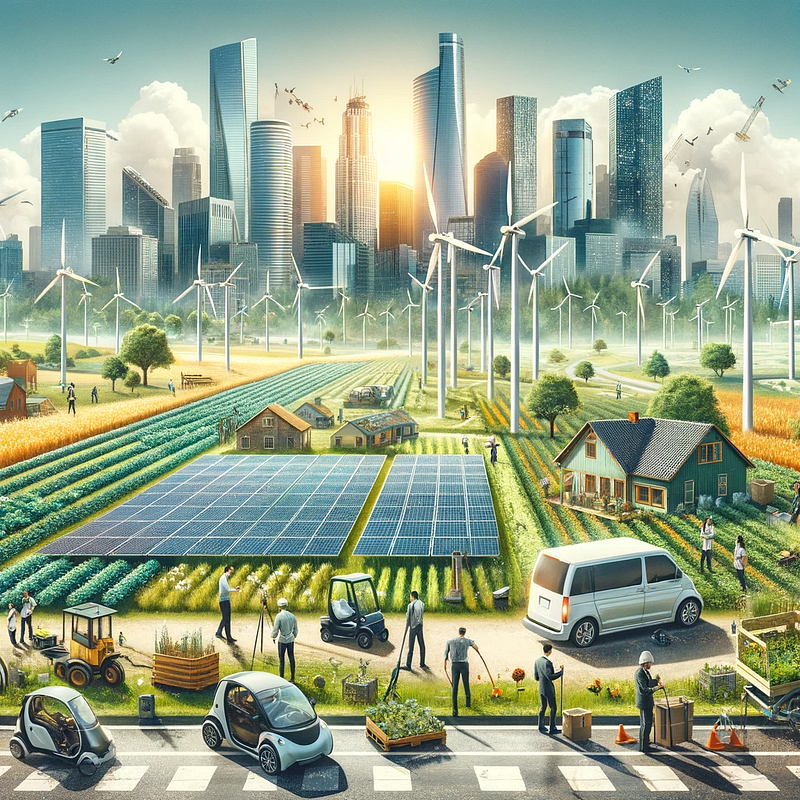
The world is facing an unprecedented climate crisis, and the need for sustainable practices has never been more urgent. In the United States, there is a growing movement towards a greener future, with a strong focus on renewable energy and reducing carbon emissions. This green evolution is not just a passing trend, but a necessary shift towards a more sustainable way of living. In this blog post, we will explore how the U.S. is embracing the green energy revolution and the steps being taken to create a more environmentally friendly and sustainable future for all.
Embracing Renewable Energy: The Key to Sustainable Power
In today’s rapidly changing world, embracing renewable energy is no longer just an option; it’s a necessity. Renewable energy sources such as solar, wind, hydro, and geothermal power offer a sustainable and clean alternative to traditional fossil fuels. By harnessing the power of these renewable resources, we can reduce our dependence on non-renewable energy sources, mitigate climate change, and pave the way towards a more sustainable future.
The United States is taking significant steps to embrace renewable energy and transition towards a greener future. The push for renewable energy is driven by the understanding that fossil fuels are not only finite but also have a detrimental impact on the environment. The adoption of renewable energy not only helps reduce greenhouse gas emissions but also creates new job opportunities, stimulates economic growth, and enhances energy security.
One of the primary advantages of renewable energy is its ability to generate power without emitting harmful greenhouse gases. Solar and wind power, in particular, have seen tremendous growth in recent years, with advances in technology making them more affordable and accessible. By investing in renewable energy infrastructure, the U.S. is not only reducing its carbon footprint but also creating a more resilient and sustainable power grid.
Furthermore, embracing renewable energy sources allows for decentralization and democratization of power generation. With the rise of rooftop solar panels and community wind farms, individuals and communities can become active participants in the energy transition, generating their own power and reducing their reliance on centralized energy systems.
Reducing Greenhouse Gas Emissions: A Collective Effort
The urgency of the climate crisis calls for collective action to reduce greenhouse gas emissions. It’s no longer enough for individuals or isolated organizations to make small changes; we need a unified effort to achieve meaningful results. Reducing greenhouse gas emissions requires collaboration and commitment from all sectors of society, including individuals, businesses, governments, and communities.
Individuals can play a significant role in reducing their carbon footprint by making conscious choices in their daily lives. Simple actions such as conserving energy, using public transportation, reducing waste, and supporting sustainable products can all contribute to reducing emissions. By raising awareness and encouraging sustainable practices, individuals can inspire others to join the collective effort.
Businesses also have a responsibility to minimize their carbon footprint. Embracing renewable energy, implementing energy-efficient practices, and adopting sustainable business models can help companies reduce their emissions. Additionally, companies can engage in carbon offset initiatives or invest in renewable energy projects to further mitigate their environmental impact.
Government policies and regulations play a crucial role in driving collective action. By implementing carbon pricing, incentivizing renewable energy, and setting ambitious emission reduction targets, governments can create an environment that encourages sustainable practices. Governments can also provide funding and support for research and development of clean technologies.
Finally, communities and organizations can collaborate to implement collective initiatives such as renewable energy projects, tree-planting campaigns, and community recycling programs. By working together, communities can create a ripple effect, inspiring others to join the movement and accelerating the reduction of greenhouse gas emissions.
Energy Efficiency: The First Step towards Sustainability
Energy efficiency is a critical aspect of achieving sustainability in the United States. By improving energy efficiency, we can maximize the use of available resources while minimizing waste and reducing greenhouse gas emissions. Energy efficiency encompasses various practices, technologies, and behaviours that help us do more with less energy.
One of the key areas where energy efficiency can make a significant impact is in buildings. Buildings consume a substantial amount of energy for heating, cooling, and powering various appliances and devices. By implementing energy-efficient design and construction methods, as well as using energy-saving technologies and practices, we can reduce energy consumption and lower utility costs for both residential and commercial buildings.
Another aspect of energy efficiency is the adoption of efficient appliances and equipment. Energy-efficient lighting, HVAC systems, and appliances can significantly reduce energy consumption while providing the same level of performance. This not only saves energy but also reduces operating costs for individuals and businesses.
Furthermore, promoting energy-efficient transportation is crucial for reducing greenhouse gas emissions. By encouraging the use of public transportation, carpooling, cycling, and walking, we can minimize the energy consumption associated with individual vehicle use. Additionally, the adoption of electric vehicles and the development of charging infrastructure can further reduce reliance on fossil fuels and promote cleaner transportation alternatives.
Education and awareness also play a vital role in promoting energy efficiency. By educating individuals and businesses about the benefits of energy efficiency and providing practical tips for reducing energy consumption, we can empower them to make informed choices and take actions to improve energy efficiency in their daily lives.
The Role of Legislation and Government Policies
Legislation and government policies play a crucial role in driving the transition towards a greener and more sustainable future in the United States. With the urgency of the climate crisis, it is essential for governments to take bold and decisive action to create an environment that encourages sustainable practices and reduces greenhouse gas emissions.
One of the key ways that legislation can support the green energy revolution is by implementing carbon pricing. By putting a price on carbon emissions, governments can incentivize businesses and individuals to reduce their carbon footprint. This can drive the adoption of renewable energy and energy-efficient practices, as well as encourage investment in clean technologies.
Government policies can also play a role in providing financial support for research and development of clean technologies. By investing in innovation, governments can spur the development of new technologies that can accelerate the transition to a sustainable energy future. Additionally, government support can help make renewable energy more accessible and affordable for all.
Furthermore, governments can set ambitious emission reduction targets and implement regulations to ensure that industries and businesses are held accountable for their environmental impact. By implementing strong regulations, governments can create a level playing field and provide clear guidelines for businesses to operate in a sustainable manner.
In summary, legislation and government policies are vital in driving the green energy revolution in the United States. Through carbon pricing, financial support for research and development, setting emission reduction targets, and implementing regulations, governments can create an environment that encourages sustainable practices and accelerates the transition towards a greener future. It is imperative for governments to take decisive action now to ensure a sustainable and thriving planet for future generations.
The Economic Impact of the Green Energy Revolution
The green energy revolution is not only a step towards a more sustainable future but also a significant driver of economic growth and prosperity. The transition to renewable energy sources and sustainable practices has the potential to create millions of new jobs, stimulate economic development, and enhance energy security in the United States.
Investments in renewable energy projects have already led to the creation of thousands of jobs in the solar and wind sectors. As the demand for clean energy continues to rise, the job opportunities in these industries are expected to grow even further. According to a report by the International Renewable Energy Agency, the renewable energy sector employed over 11 million people worldwide in 2018, with the potential to create 29 million jobs by 2050.
Furthermore, the green energy revolution can lead to increased economic competitiveness for the United States. By investing in renewable energy infrastructure and clean technologies, the country can position itself as a global leader in the clean energy transition. This can attract new investments, drive innovation, and enhance the competitiveness of American industries in the global market.
In addition to job creation and economic competitiveness, the green energy revolution can also result in cost savings for businesses and households. Renewable energy sources, such as solar and wind power, have become more affordable and cost-competitive with traditional fossil fuels. By transitioning to renewable energy, businesses and households can reduce their energy costs and save money in the long run.
Overall, the economic impact of the green energy revolution is significant. By embracing sustainable practices and renewable energy sources, the United States can not only create a more sustainable future but also drive economic growth, job creation, and cost savings. The green energy revolution is not just an environmental necessity; it is also an economic opportunity that should be embraced and capitalized upon for a more prosperous future.