
.jpeg#mw-jump-to-license)

The Greco-Indian Civilization
How the Greeks met India
The interconnection of the world is often thought to be a modern concept that had no prevalence in the Ancient World. However, this belief is false, as the civilizations of Antiquity did not merely exist in there own isolated bubble for a thousand years, but had cultural and economic exchanges with one another. Specifically for India; after the Greeks exploded onto the borders of the subcontinent after the conquests of Alexander the Great, the following centuries saw large scale exchanges between the two civilizations.
Background
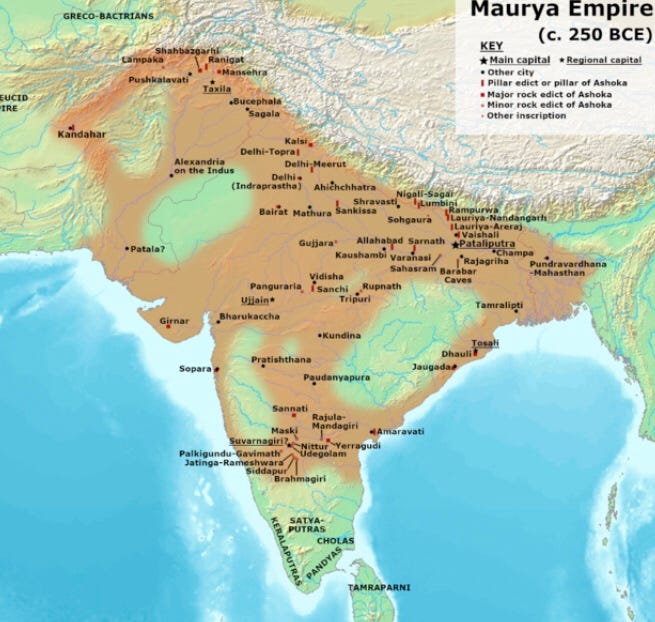
Northern India was controlled by the mighty Maurya Empire, after the conquests of Alexander. The Empire was founded by Chandragupta Maurya, and he consolidated the state with the help of his brilliant Prime Minister, Kautilya. The Royal Court had a large network of spies and informants to keep control of there exceedingly large swaths of territory. Following his rise to power, the Empire expanded into Southern India and the Hellenized Hindu Kush.
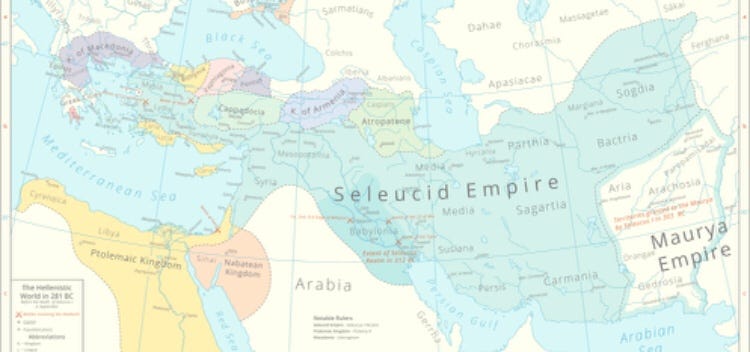
With the death of Alexander the Great, his Empire fragmented into several different kingdoms, with the Seleucid Dynasty controlling the Eastern Satraps. The Seleucid Empire was a huge empire that stretched from Syria towards Afghanistan, which caused instability in the newly established state.
First Clash between the Great Civilizations of Antiquity
The aggressive expansion of Chandragupta Maurya threatened the Seleucid’s Eastern flank, which pushed the Hellenic King, Seleucus I Nicator to campaign against the Mauryans. After a failed attempt to take India, Seleucus was forced to concede his territories in Northern India and Southern Afghanistan in return for an alliance between the two kings and 500 war elephants. With peace along the border, the two civilizations pursued large scaled cultural exchanges for the next few centuries.
Cultural Exchange
The Greeks and Mauryans influenced one another through trade, and many Indians lived in Greek Polis and vice versa. The cultural affects of this intermixing has been debated for decades, but it is clear that Hellenistic practices influenced Mauryan Art, as the Kings frequently employed Greek architects to design structures and buildings. Moreover, the main source for the reign of Chandragupta Maurya comes from Seleucus’s ambassador, Megasthanes, for the Indian Empire.
Religion
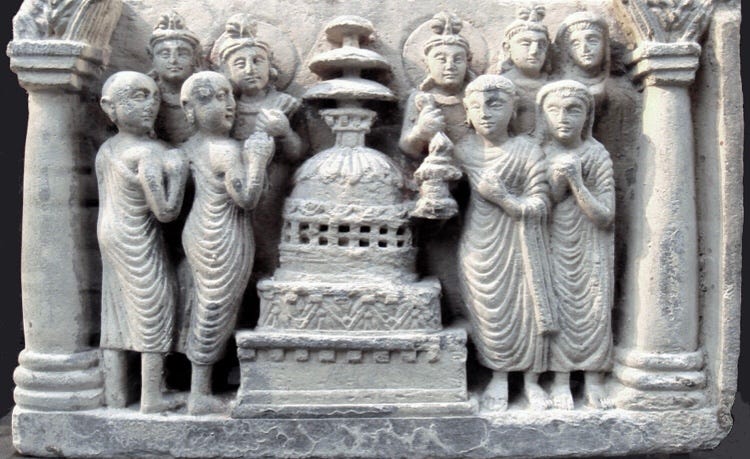
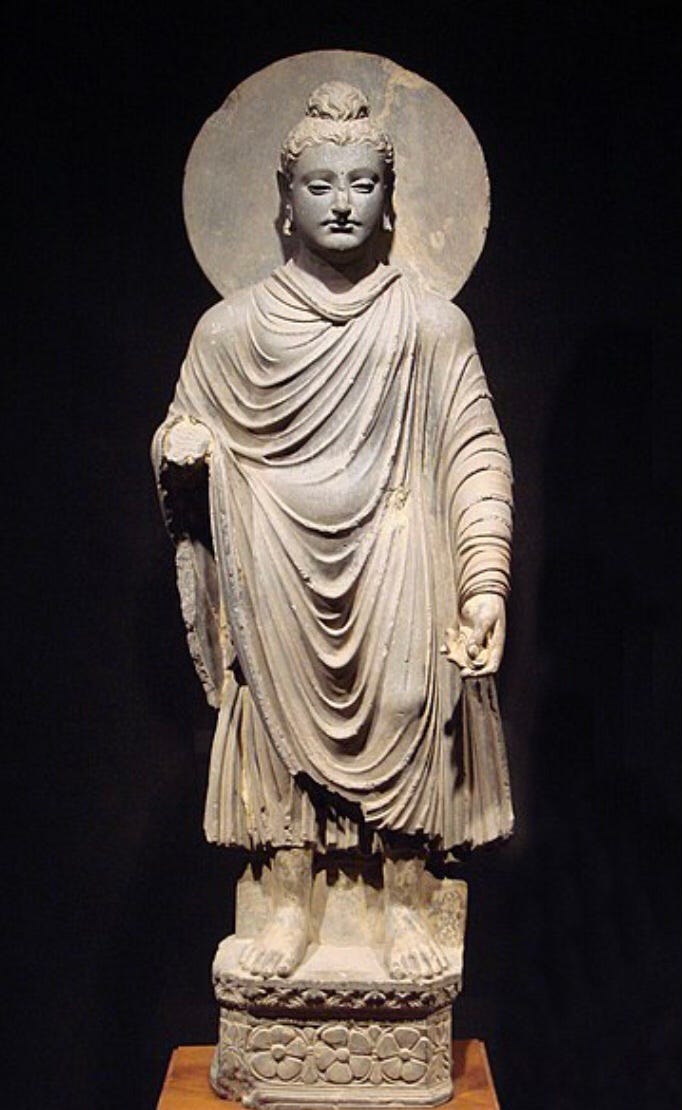
Buddhism played a major role in Mauryan-Greek contacts, as the original monks from the Gandhara Region were often than not, Hellenized, and they played a major role in the conversion of India. It was known that Ashoka the Great, the grandson of Chandragupta Maurya ruled over many Greeks whom the Mauryans called “Yavanas”, and he used these Buddhist Greeks to convert both India and Hellenized Bactria in modern day Afghanistan. Moreover, Greek interpretation of Buddhist Art served as the basis of the religion, and the Pagan Hellenistic Gods often merged with Buddhism to create a unique form. For instance, Hercules was once the protector of Buddha, and had been depicted in numerous Greco-Buddhist pieces of art.
Decline and Final Exchanges
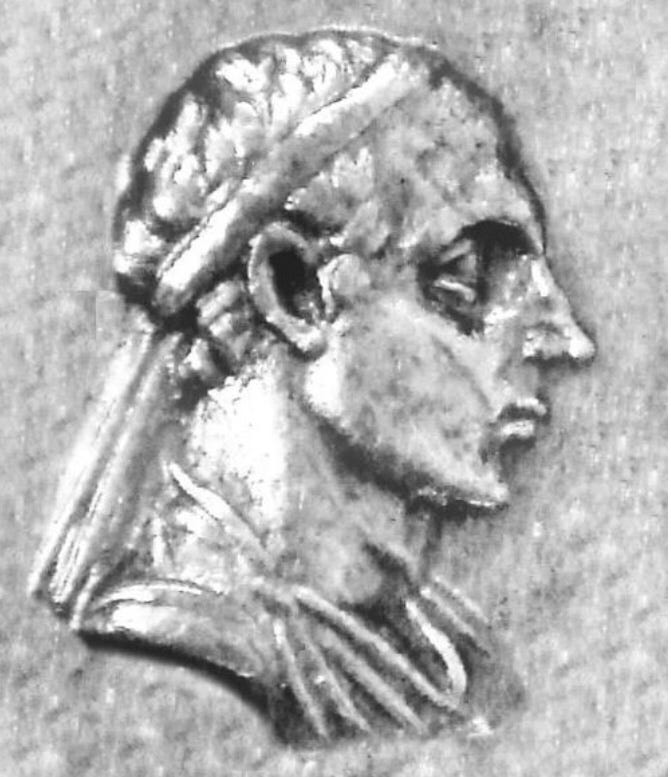
The decline of the Mauryans and Greeks after Ashoka the Great temporarily halted further contacts between East and West. However, a final outburst of exchanges took place during the reign of the Indo Greek King Menander. He was the only King that managed to unite the petty Hellenistic city states in Northern India, and his conquests reached Central India. After his conquests, Menander converted to Buddhism and began one of the largest periods of Buddhist construction in history. Furthermore, it was during his reign that the remaining Greeks in the East began merging with the cultures of Northern India, which makes Menander’s rule the climax of the long history of Hellenistic-Mauryan interactions.
Takeaways
The centuries old contacts between the Greeks and Mauryan prove that the world had been connected through trade and cultural exchange since Ancient Times. Moreover, the successes of this hybrid civilization had lasting impacts on the region and Buddhism, which shows the fascinating results of cultural intermixing and openness.
Sources: