The Greatest Breakage
A short prose poem
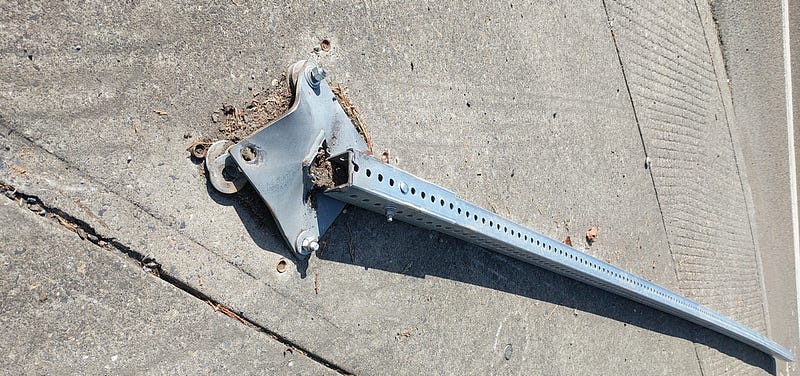
This that is happening right now is the greatest breakage. The mass of material moving, mostly down and away from the center, is unprecedented. The amount of priceless, irreplaceable, one of a kind, and last of their kind items that are, right now, tumbling down from the shelves and off of side tables is going to take lifetimes to mourn — for those with a propensity to mourn.
Right now, emergency crews are putting on their boots. They can not prepare for what they will see, they don’t yet know the scale of the breakage. Some are veterans used to uncaring horrors that tear up one’s belief in justice, appropriateness, and the reliable nature of norms. The veterans will be shaken to their core today. They will again seek out the station counselor. The station counselor will be booked out a week.
The less experienced will barf and, when it is all over, break down in tears when they think their spouse can’t hear.
Years from now, when we have all gotten some distance, there will be a contest held for architects to propose the appropriate memorial that will capture what this felt like. Using exposed building materials combined expertly with empty space, one of the architects will submit a model of a place that would give a visitor a sense of exactly how fucked up and devoid of normal this moment is.
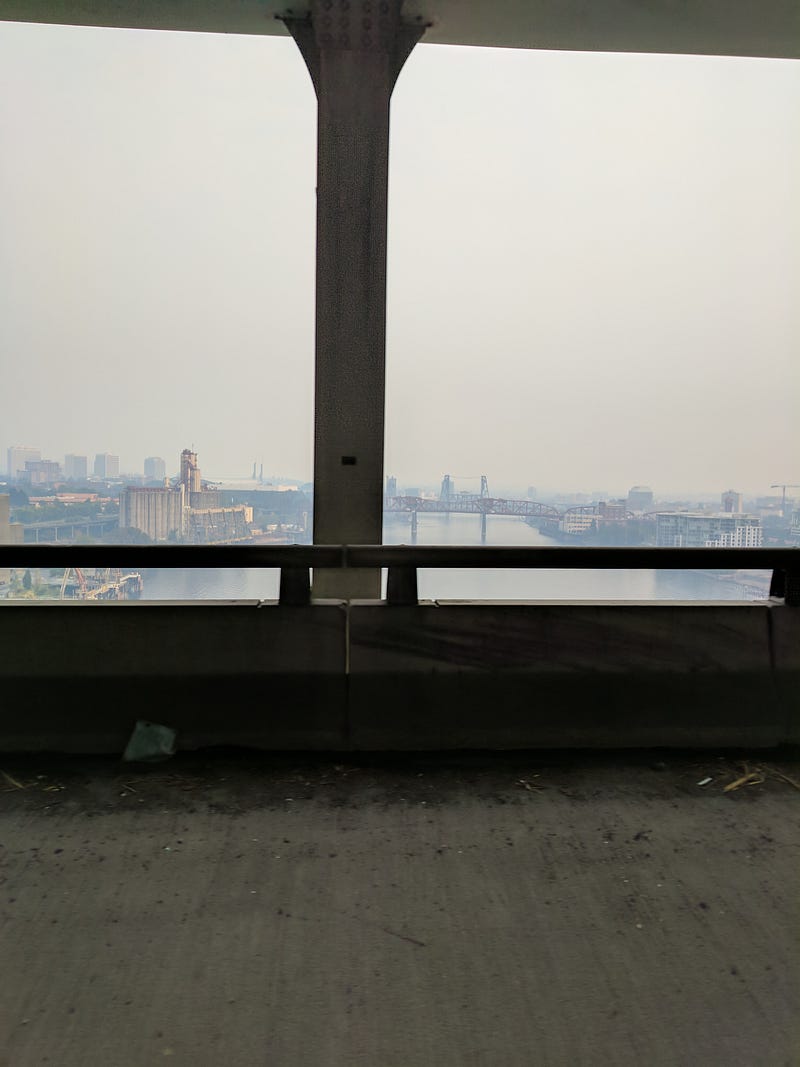
Her terror-dome idea will not win the contest. Instead, an embodiment of hope rising from the ashes will built on this site.
On notable anniversaries of this date, particularly multiples of 10 and 25, commentators will “try and make sense” of this breakage.
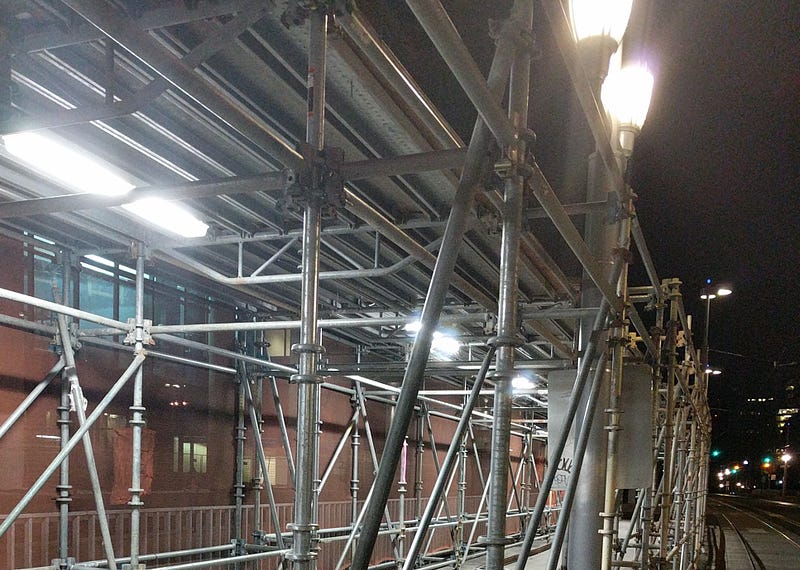
Today, structural material normally invisible and taken for granted is exposed, contorting unnaturally in the hot stress of this moment. The ribs are split apart from their mates. The functions of the inner organs are laid out to see. What was presumed under wraps is visible and failing us.
The sun is shining deep in, to places not meant for sunlight, not built to be seen at all. Tomorrow the caverned crater will be rimmed with people, and they will snap pictures.
A mendicant preacher, dirty and insane, will be the first holy voice to the scene. He will raise up his arms and his loose sleeves will bunch in his armpits. Looking over passersby trodding to witness, he will say,
“We have not seen the like. This is the greatest breakage of your life yet. Look down and see how beautiful the broken can be. The sun is shining deep into you, showing what is broken.”