
The Great Elephant Stampede
These Intelligent Beasts of Burden Can Get Fed-up with People
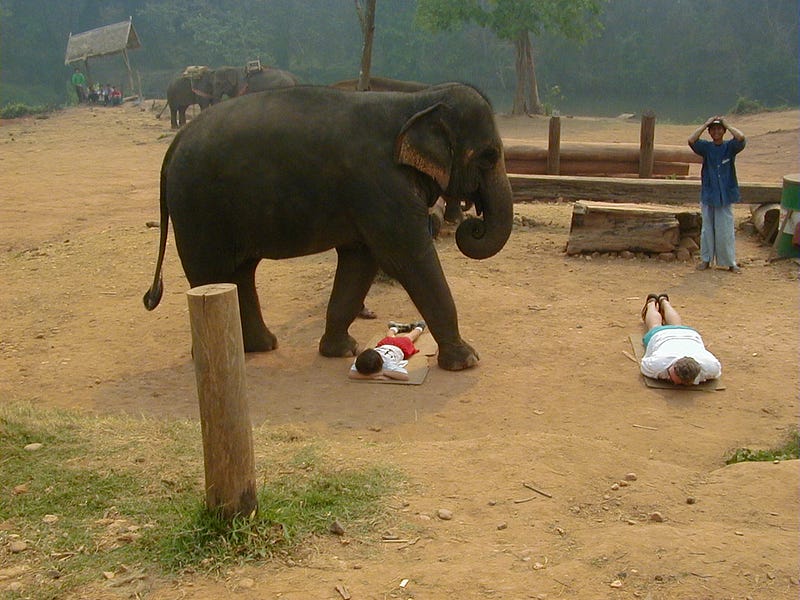
Okay. I should know better. I am the father of the child the elephant is walking over.
In my defense, the picture was from a different era, before you could use your phone to check for recent stories of angry elephants trampling tourists in Thailand.
Years before the photo, I was in a hide overlooking a salt lick in the jungle in Malaysia’s National Park, Taman Negara. The hide was a cabin, elevated on wooden piers, at least 8 feet off the ground. It was the pre-dawn hours. The forest was still dark, but quiet in anticipation of the day. Then I heard a commotion at the back door of the cabin. I carefully opened the door. There was a bull elephant, staring at me in the moonlight. We exchanged glances. I knew he was dangerous, a creature of the forest. I went back to sleep, and he did whatever he wanted. He was a wild elephant after all.
Humans have a complicated relationship with elephants. They inspire both awe and fear. They are revered and yet we hit them with a hard stick. They have been companions in war, and yet we kill them for sport. They are the off-road vehicle for travel in the bush.
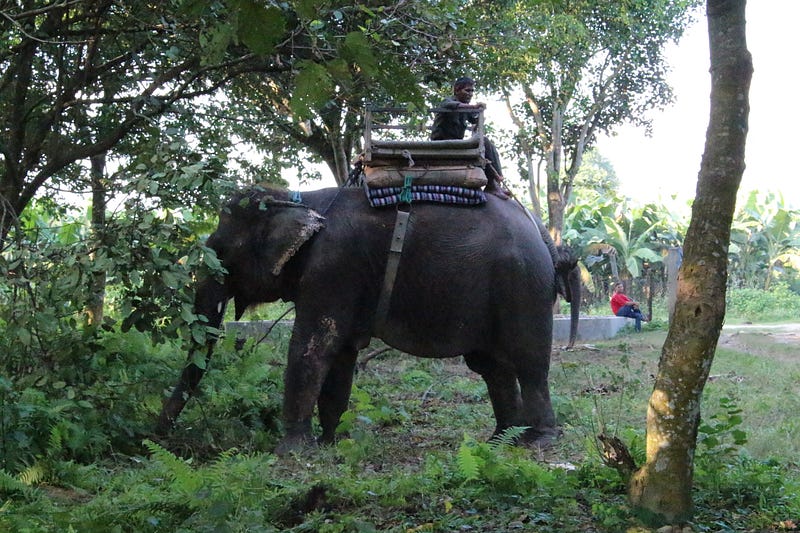
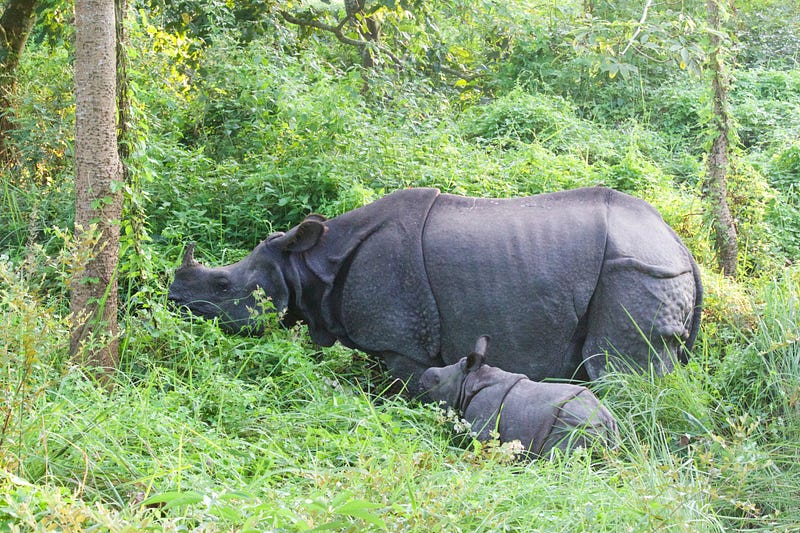
Our understanding of elephant behavior, communications, and community has improved recently. These giants care for the young of other parents, mourn deaths, and communicate over large distances. They are emotional creatures. Elephants display affection. They can be aggressive, and they can be fearful. That fear was on display in my hometown, long before I was born. The story is from 1908.
The Circus Comes to Town in 1908
Sells-Floto Circus was one of several traveling circuses that crisscrossed the United States. The Sells-Floto Circus had been a Dog and Pony show in 1906, but there was an appetite for the exotic and money to be made. By 1908 the circus moved across the country by train. Riverside was one of the richest cities in the nation, at that time, due to the citrus boom. It was also a crossroad of railroad traffic. That was how the circus came to town, on the train, just like in the movie “The Greatest Show on Earth”, without the train wreck.
The arrival in town was a big deal. Schools closed. There was a big parade of circus performers down Main Street. Some of the elephants carried banners for local businesses.
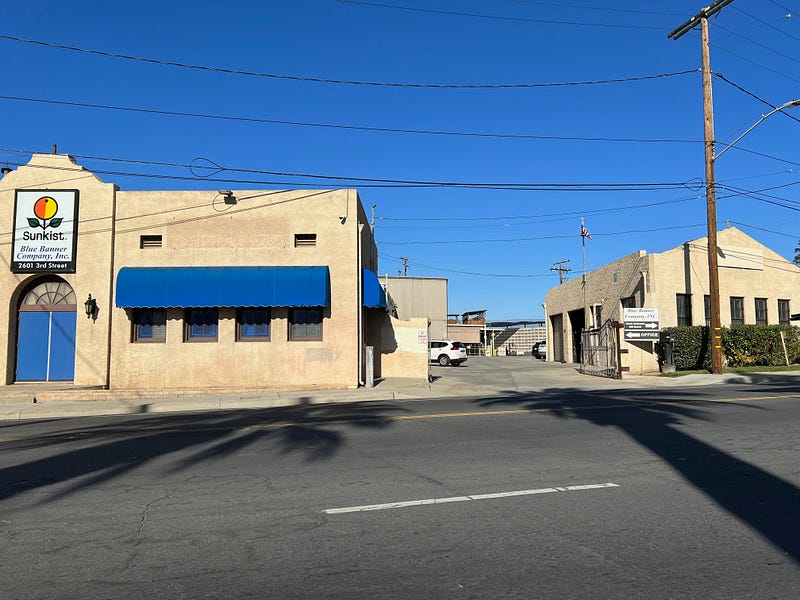
The circus set up camp near a railroad siding in an empty field across from the Sunkist Packing Plant. Two of the elephants helped the workers set up the “Big Top”, the large tent that would be used for the performance. The other four elephants were chained around their ankles and the chain was staked to the ground.
Meanwhile, at the other end of the block was the Standard Oil Depot. Leonidas J. Worsley, known to his friends as “Dad”, was filling his horse-drawn wagon with fuel for delivery to his customers. Leonidas was a veteran of the American Civil War known for chewing tobacco. Somehow the fuel caught fire and the wagon exploded. The explosion threw Leonidas twenty feet. He was covered with flames. He died later that evening.
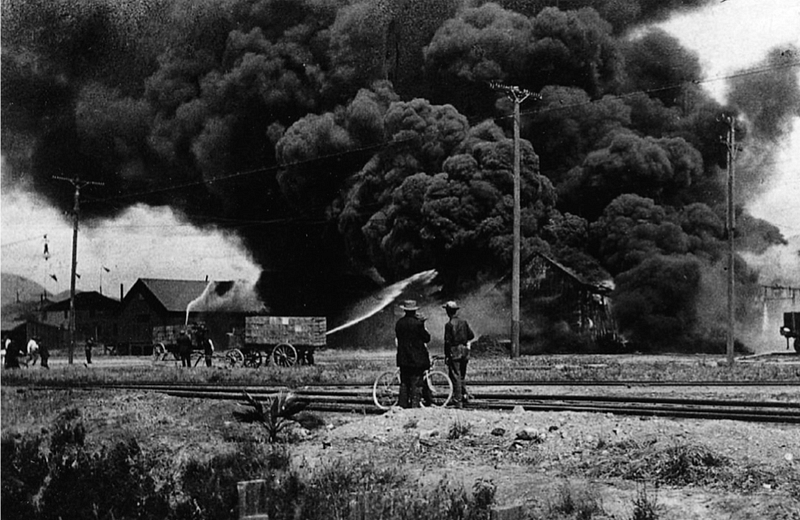
The nearby warehouses caught on fire. The wind was blowing thick smoke and hot embers toward the circus camp. Bystanders and circus performers scrambled to put out the small fires that erupted around the camp. The two working elephants were led away, but the elephants chained to the stake were ignored in the frenzy.
The Elephant Stampede
That was when these intelligent, powerful, and scared animals took care of themselves. They pulled out their shackles and ran east into the farms and citrus groves.
Three of the massive creatures were found about a mile away from the circus, including one elephant which was found in a large irrigation canal. He was bathing in the water and feeding on the oranges. The three were led back to the circus camp.
The fourth elephant was a bull elephant named Floto. He had run further than the other three elephants. When he came across railroad tracks, he started to follow them. The tracks led back into the center of Riverside. A train was coming up behind Floto, blowing its whistle. The train stopped, but the startled elephant charged off the tracks. By this time he must have been heading back into the smoke of the original fire. Nearby residents fired guns into the air and Floto with little to no effect except to make the elephant more angry and scared. Floto was in full panic mode.
Ella Gibbs was a 49-year-old Deaconess with the First Congregational Church in Riverside. She had just returned on a train from a trip to San Diego. Teddy Roosevelt’s Great White Fleet was on display. The fleet was visiting ports around the world, displaying America’s emerging power on the oceans. The local newspapers had been running advertisements for special train trips to see the fleet. Ella was returning home when a charging bull elephant turned the corner and they faced each other on the road.
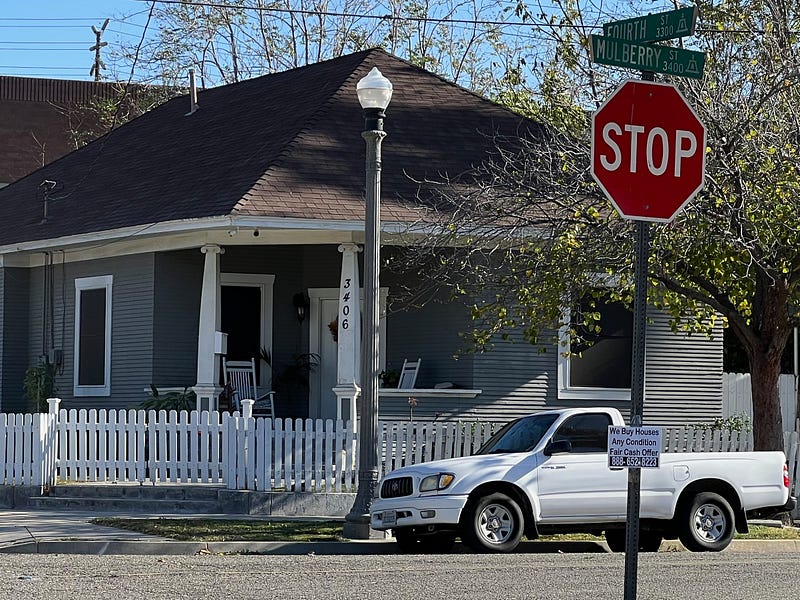
Ella ran to the closest house and banged on the door. But nobody answered.
The elephant also went up the steps of the porch and pinned Ella against the house. It then grabbed her with its trunk and threw her to the ground. Floto then crushed Ella.
Other people were injured by Floto, but fortunately, they did not have the same fate as Ella.
Floto crossed the grounds of what was then the Carnegie Library. It is now the site of The Cheech.
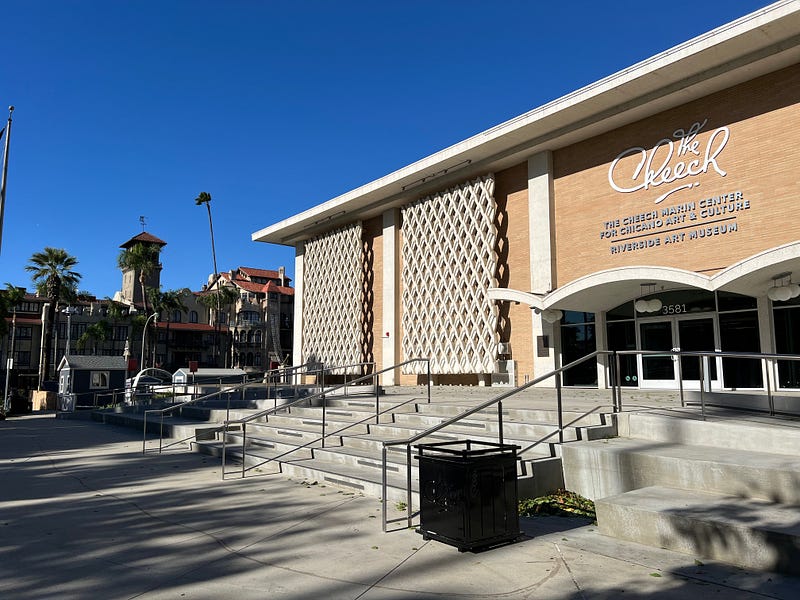
Why Floto chose its next move is a mystery, but perhaps it was the large group chasing it on foot and horseback, some of whom were shooting guns. Driverless wagons and riderless horses were running amok. Floto ran into the Mission Inn Hotel.
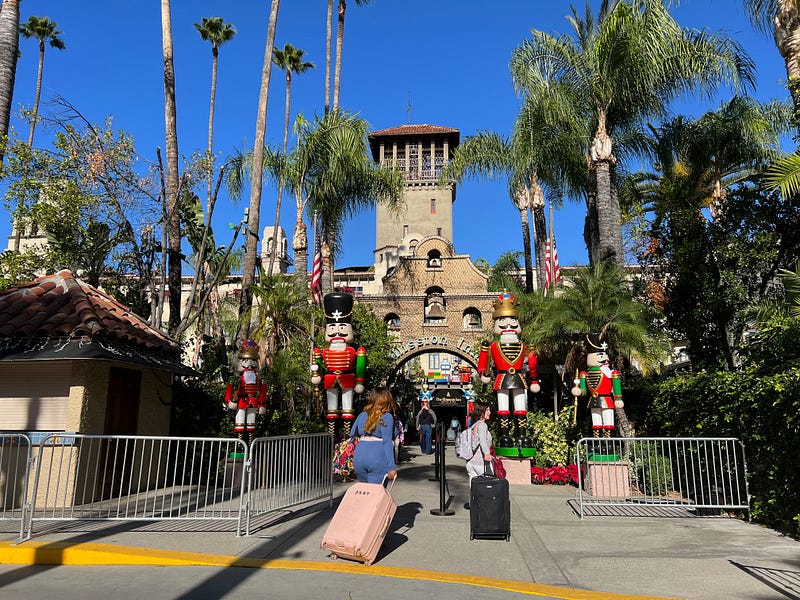
Floto was not the only celebrity to visit the hotel. President Taft would visit the next year. Pat and Richard Nixon were married at the hotel. In all, ten presidents have signed the guestbook. Other notable visitors included Albert Einstein, Amelia Earhart, and Brooker T. Washington. It is still a location to ask yourself, “Who’s that behind those Foster Grants?”.
If Floto was looking for peace and tranquility at the hotel, he did not find it. He knocked over a patron and was about to smash the individual when someone shot him in the neck. The wound did distract him and he turned and charged through the restaurants and bar. One story has him seeing the reflection of a bull elephant in a window. He ran through the reflection, into the hotel’s barbershop. Frozen customers stayed in their chairs as barbers cringed in terror.
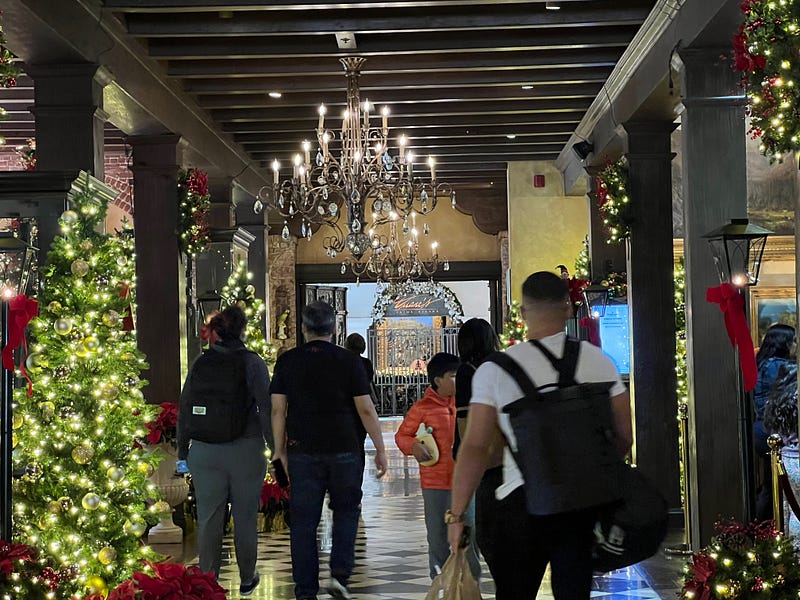
Floto burst through the far side of the hotel, onto Riverside’s Main Street. He went through more businesses until he found himself in a horse stable. The doors were closed behind him. Eventually, Floto calmed down and he returned to the circus, ending the great elephant stampede of 1908.
The incident became a city legend. The hotel owner is remembered saying, The elephant was the only guest that was ever allowed to carry his own trunk.”
The circus was asked to pay $17,000 in damages. How much of that went to the family of Ella Gibbs is unknown. There was never an investigation into the cause of the fire at Standard Oil.
Floto recovered from his wounds and rejoined the circus. But in 1921, he escaped again. This time in Orange, Texas. After being shot over 60 times, he finally succumbed to his wounds.
The story elephant stampede in Riverside appeared in three local newspapers and the New York Times, each, with a different version of the story. I would like to thank the city’s archivist for guiding me to sources.
I will not let an elephant walk over my son again.
Learn more about elephants on Medium:


