
CAREGIVER | ROLE REVERSAL
The Great Divide: What an Aging Parent Wants vs What They Need
Betwixt and between
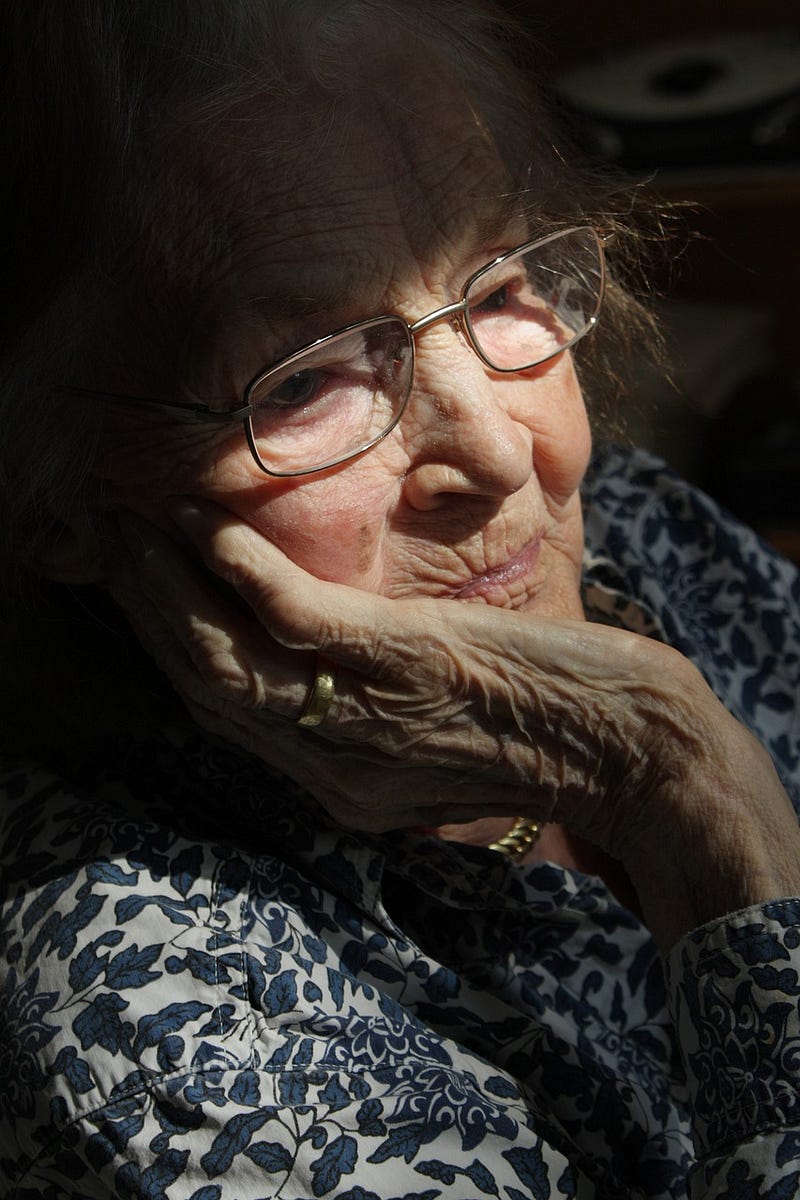
“I just want to get the hell out of here.”
Her pleading eyes lock with mine in a tug-of-war of opposing thoughts.
Assisted living, in her generation, equates to being institutionalized.
No matter that the spacious room is lovely and bright. Her favorite furnishings are a far cry from a cold facility.
I added a computer desk, a corner-tiered plant stand for family pictures, her dresser and recliner from home, and all the personal touches she would allow.
It is not enough.
I know what she wants — to be home and 65 years old. A body and mind that cooperate from the old days.
“Lisa, I have lived alone for 25 years just fine.”
She wants to be blanketed in her memories and surrounded by a lifetime of accumulated trinkets.
If only she could be home to dice tomatoes at her sink, prepare a massive quantity of gazpacho, and even can peaches.
She aches to plant perennials of purples and pinks, overflow her garden, and freely stroll the neighborhood with her dog — stopping to chat with friends.
She wants to press her finest cloth napkins and carefully pull them through her mother’s antique napkin rings to showcase across her wedding china.
She would stand back to assess the fresh flower arrangement in the center with a critical eye.
Her mind is comforted by conjuring visions from previous decades.
Crab feasts in her backyard filled with laughter (Please stop slamming the sliding door!), baking cookies with and for the grandkids, and creating festive meals with overwhelming aromas that meet guests at the front door are the occasions she wants to relive.
I want that for her, too.
In stark contrast, my mom is 85, a fall risk, currently plagued by short-term memory loss, and requires nursing assistance for pop-up medical oddities that, left unattended, can quickly become deadly.
I give the reassurances she craves and watch as her agitation softens.
Then, I lean in for a quick kiss goodbye before I leave her downstairs in the dining hall.
We have a routine.
Once I reach the reception desk by the front door, I slowly turn.
She looks like a million bucks. My mom takes great care — an impeccable dresser who never forgets her lipstick. Her hair has filled back in with soft rounded curls.
We are both fooled by her image and in a flash, I believe she is 65 years old again, too.
Our eyes meet. Hers sparkle in anticipation of my next action.
I reach my arm up and wave.
My mom smiles along with her outstretched hand, and close to a dozen others join in to respond to mine.
Visitor-starved residents wheel about with coveted treasures attached to their chairs.
Eyes dart around the lobby setting; a few reflect glassy disconnects — an unsettling vacancy.
A wake of loneliness trails behind their every shuffle as metal walkers drag against the rug runners.
I imagine that I replace their daughters who maybe can’t come by as often, or at all.
They track me and activity grinds to a halt.
Like clockwork, a sea of hands wave back.
“Bye, Miss Betty. See you later, Mr. Jack. Take care, Charlie.”
Love you, Mom.
Most days, I feel accomplished when I go — satisfied that I am keeping her safe, healthy, and socialized.
Nurses are updated, insurance claims filed, her wish list is filled from the local market, and I’ve stowed Dove chocolates in her room.
On other days I leave defeated.
The emotional elephant in the room sits on our chests — a suffocating reminder that my departure day rapidly approaches.
I must return to Florida, a thousand miles away from her, and she agrees it’s time.
We openly discuss the plan on a surface level with cut-and-dry facts.
Our facts have very different faces.
“I am leaving, Mom, not you. Not yet. Even when you get the all-clear from your cancer team, there are additional hurdles to conquer first.”
She jockeys for her position, and I for mine. Anxiety lies just under the surface, ready to boil over for both of us.
She wants to go home.
But she needs care.
My mom’s edges show through sharp replies. Though her tightness has increased in frequency, it’s unintentional. If she catches herself, an apology follows.
In my exhausted frustration, I will point out that I am on her team, almost 60, not a teenager, and doing everything I can to ensure her happiness.
My apologies ring hollow and ache.
What she wants conflicts with what she needs. An awful position, really, and a difficult time to be a caregiver.
Tremendous guilt builds inside me when I break stride and open my mouth.
I face an uncomfortable daily struggle to meet her in her reality. I don my kid gloves and confirm her potential return.
“Before I go, I will move your guest room bed here. Who knows how long you’ll stay.”
“You’ll be more comfortable on it than on this narrow hospital bed from Medicare. Even if the bed is only here for an hour, a day, or months, you deserve it.”
Her eyes spark. “Don’t you dare bring in another thing! I’ll be home soon, and I am fine,” she insists.
After all, that's what she wants.
What she needs is care.
We playfully go back and forth on the bed issue to avoid going too deep where the painful realizations simmer.
We set aside vastly different opinions for the moment, both thankful to divert to mundane topics.
Tomorrow her dialogue will shift again.
I am grateful for the tomorrows we are given.
She gathers her purse, phone, and room key for lunch, checking several times to ensure she has them.
“Did I get my key? I need my key.”
It’s in your purse, Mom.
“And my phone?”
To prove her capabilities, she moves too fast and her foot catches on the end of the bed.
We lock eyes again as I state the obvious — obvious to me, not necessarily to her.
“Your physical therapist clearly said that you need to use your walker. All the time.”
Why can’t I keep my mouth shut?
She fires back that she knows that and always uses it. I slowly retrieve it from the other side of the room and slide it toward her.
“Do you think I sold my car too quickly? I’d really like my car.”
I escort her to the dining room into a sea of many friends from her past and new ones to meet.
Once I reach the reception desk by the front door, I turn.
We lock eyes once again; hers sparkle in anticipation of my next action.
I reach my arm up and wave. “Love you, Mom.”
Grateful for the tomorrows we are given.
And, the waves.
All of them.
This story was written in response to the July prompt, “Waves” issued by Sally Prag, esteemed editor for Age of Empathy.
If you are not yet enjoying the benefits of a Medium membership, please consider supporting my work by joining below.

Newsbreak | Quora | Substack | Amazon Kindle Vella Anthologies:
Nonfiction Inspirational | Thrills and Chills Fiction | Mental Health


