avatarTimothy James Lambert

Free AI web copilot to create summaries, insights and extended knowledge, download it at here

3971

Abstract

ution. Evolution has no goal. It is not climbing a stairway, it is instead a rolling wave, flowing along the path of least resistance, filling each available niche as it arises.</p><p id="63a5">I, however, do appreciate the Great Chain of Being as a metaphor. Let’s look back at the development of life and I’ll show you how I tend to think about the Great Chain of Being.</p><p id="9fc8">Let’s start with aquatic arthropods with trilobites and then branching out with lobsters, crabs, and shrimp.</p><figure id="7540"><img src="https://cdn-images-1.readmedium.com/v2/resize:fit:800/0*KH3KP_0_xs2rFdrB"><figcaption>Photo by <a href="https://unsplash.com/@jwimmerli?utm_source=medium&amp;utm_medium=referral">jean wimmerlin</a> on <a href="https://unsplash.com?utm_source=medium&amp;utm_medium=referral">Unsplash</a></figcaption></figure><p id="97f7">Eventually, some of these creatures find themselves on dry land where they adapt to the new environment.</p><figure id="0799"><img src="https://cdn-images-1.readmedium.com/v2/resize:fit:800/0*g8y6AII_bkzNYp1f"><figcaption>Photo by <a href="https://unsplash.com/@chetrakhieu?utm_source=medium&amp;utm_medium=referral">Chetra Khieu</a> on <a href="https://unsplash.com?utm_source=medium&amp;utm_medium=referral">Unsplash</a></figcaption></figure><p id="2e14">In time, some of these adapted forms develop wings and gain the ability to fly.</p><figure id="6c93"><img src="https://cdn-images-1.readmedium.com/v2/resize:fit:800/0*yzCemZLUzQGMN8qT"><figcaption>Photo by <a href="https://unsplash.com/@dylhunter?utm_source=medium&amp;utm_medium=referral">Dylan Hunter</a> on <a href="https://unsplash.com?utm_source=medium&amp;utm_medium=referral">Unsplash</a></figcaption></figure><p id="1acd">This strand of life goes from aquatic arthropod to terrestrial bug to flying insect. But is the flying insect truly free? No, it has just traded one domain for another. It has escaped the environment of liquid but it is now confined to an environment of atmospheric gasses.</p><p id="e50b">Insects can fly as long as the air temperature is at least 50 degrees Fahrenheit (10 degrees Celsius). That means that they can fly up to about 6000 feet (2000 meters) on a 90 degree Fahrenheit (32 degree Celsius) day. The fastest flying insect is a horsefly which can fly up to 90 mph (145 kph). That isn’t high enough or fast enough to escape from the earth’s gravity.</p><p id="ae3b">So evolution tries again. Maybe the problem has to do with intelligence.</p><p id="6394">Evolution comes up with a new invertebrate body plan. Instead of having an external skeleton as found on arthropods, this new adaptation has a skeleton that is inside the body. This allows the brain to grow larger within a protective shell of bone. This protective shell extends down the back and becomes the spine that houses the spinal cord of nerve tissue.</p><figure id="851f"><img src="https://cdn-images-1.readmedium.com/v2/resize:fit:800/0*jytLI9ufMFCvpnVV"><figcaption></figcaption></figure><figure id="02f5"><img src="https://cdn-images-1.readmedium.com/v2/resize:fit:800/0*RcUDzPUyybgbJjQL"><figcaption>Photo by <a href="https://unsplash.com/@isoncomet?utm_source=medium&amp;utm_medium=referral">Alexander Vasilchikov</a> on <a href="https://unsplash.com?utm_source=medium&amp;utm_medium=referral">Unsplash</a>/Photo by <a href="https://unsplash.com/@sandym10?utm_source=medium&amp;utm_medium=referral">Sandy Millar</a> on <a href="https://unsplash.com?utm_source=medium&amp;utm_medium=referral">Unsplash</a></figcaption></figure><p id="d3bb">Fish adapt to life outside of water, becoming amphibians. However, amphibians are still bound to water for survival. The next jump is to reptilian when the creatures spend their entires lives on dry land. And then, the final adaptation, the bird.</p><p id="5f9c">The fish rising from the waters to conquer dry land becomes a bird pumping its wings to rise into the heavens. They can fly up to 40,000 feet which is a

Options

bout 7.5 miles or a little over 12 kilometers high and the fastest bird can travel over 150 mph (240 kph) when flying horizontally. But that’s still not high enough nor fast enough to be completely free of the earth. No bird can ever achieve that feat.</p><figure id="2854"><img src="https://cdn-images-1.readmedium.com/v2/resize:fit:800/0*qmkZ_H8BPB8LkOyd"><figcaption></figcaption></figure><figure id="b265"><img src="https://cdn-images-1.readmedium.com/v2/resize:fit:800/0*gsHD4m551-4DZ9cO"><figcaption>Photo by <a href="https://unsplash.com/@musiime?utm_source=medium&amp;utm_medium=referral">Musiime Muramura</a> on <a href="https://unsplash.com?utm_source=medium&amp;utm_medium=referral">Unsplash</a>/Photo by <a href="https://unsplash.com/@zmachacek?utm_source=medium&amp;utm_medium=referral">Zdeněk Macháček</a> on <a href="https://unsplash.com?utm_source=medium&amp;utm_medium=referral">Unsplash</a></figcaption></figure><p id="0fd7">Cold-blooded vertebrates are smarter than insects because they have bones that can support larger and heavier brains. But being cold-blooded, their metabolisms are too slow to fuel brains large enough to figure out how to escape from the earth’s gravity well.</p><p id="ac09">Birds aren’t cold-blooded and so they have a higher brain-to-body mass ratio, but then there are still size limits due to their weak hollow bones and their legacy body design.</p><p id="4b2c">Evolution tries again with mammals. Mammals are warm-blooded and so they can fuel a larger brain. Then the problem becomes that of walking on four limbs with a head on a forward-facing neck. There is apparently a limit to how big a brain can become based on how big a body needs to be to support it. Think of an elephant.</p><figure id="8569"><img src="https://cdn-images-1.readmedium.com/v2/resize:fit:800/0*ZNgxts-lgkr6V5zO"><figcaption>Photo by <a href="https://unsplash.com/@wolfgang_hasselmann?utm_source=medium&amp;utm_medium=referral">Wolfgang Hasselmann</a> on <a href="https://unsplash.com?utm_source=medium&amp;utm_medium=referral">Unsplash</a></figcaption></figure><p id="92a8">So the next adjustment is for the development of warm-blooded creatures that can walk on two legs instead of four. Eventually, they will be able to balance larger and larger heads on top of their towering bodies. These heads will contain bigger and bigger brains until a new constraint appears. Women’s birth canals can only handle heads of a certain circumference and no larger.</p><h2 id="4409">Cracking the cosmic egg</h2><p id="5261">Still, even with the limits in brain size, humans have managed to escape from the earth’s gravity well and to walk on the moon. This accomplishment should perhaps be visualized as a walk along the inside of an eggshell that protects the earth. There has yet to be a manned mission to land on the far side of the moon, which, when it occurs, should be understood as taking place on the outside surface of the cosmic eggshell.</p><p id="4b1f">I don’t see a Great Chain of Life so much as a Great Arrow of Life pointed upward towards the heavens. That which is low aspires to rise. At the same time, there is another arrow pointed downwards. That which is highest yearns to descend.</p><p id="f68b">Angels fall while humanity ascends.</p><div id="19cd" class="link-block"> <a href="https://timothyjameslambert.medium.com/membership"> <div> <div> <h2>Join Medium with my referral link - Timothy James Lambert</h2> <div><h3>As a Medium member, a portion of your membership fee goes to writers you read, and you get full access to every story…</h3></div> <div><p>timothyjameslambert.medium.com</p></div> </div> <div> <div style="background-image: url(https://miro.readmedium.com/v2/resize:fit:320/0*Zq-c1ChqocHBOyRB)"></div> </div> </div> </a> </div></article></body>

The Great Chain of Being

Finding our place in the cosmic hierarchy
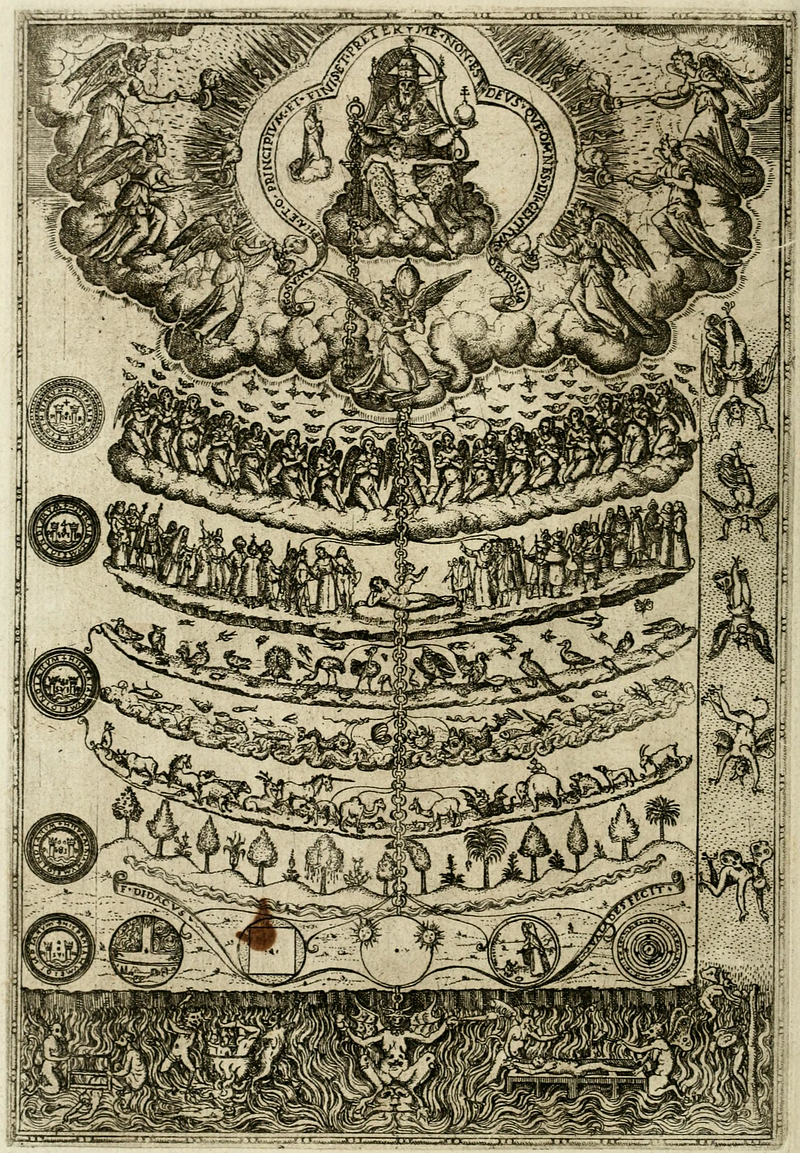
The Great Chain of Being (1579)— Credit

The Great Chain of Being is a schematic organizational structure of the hierarchy of existence as believed by Christians during medieval times.

The diagram above does an excellent job of capturing the concept. On the bottom is a graphic illustration of Hell and its punishments which mirrored the tortures being performed by the Inquisition at the time this illustration was created. In the right margin, fallen angels can be seen falling to Hell.
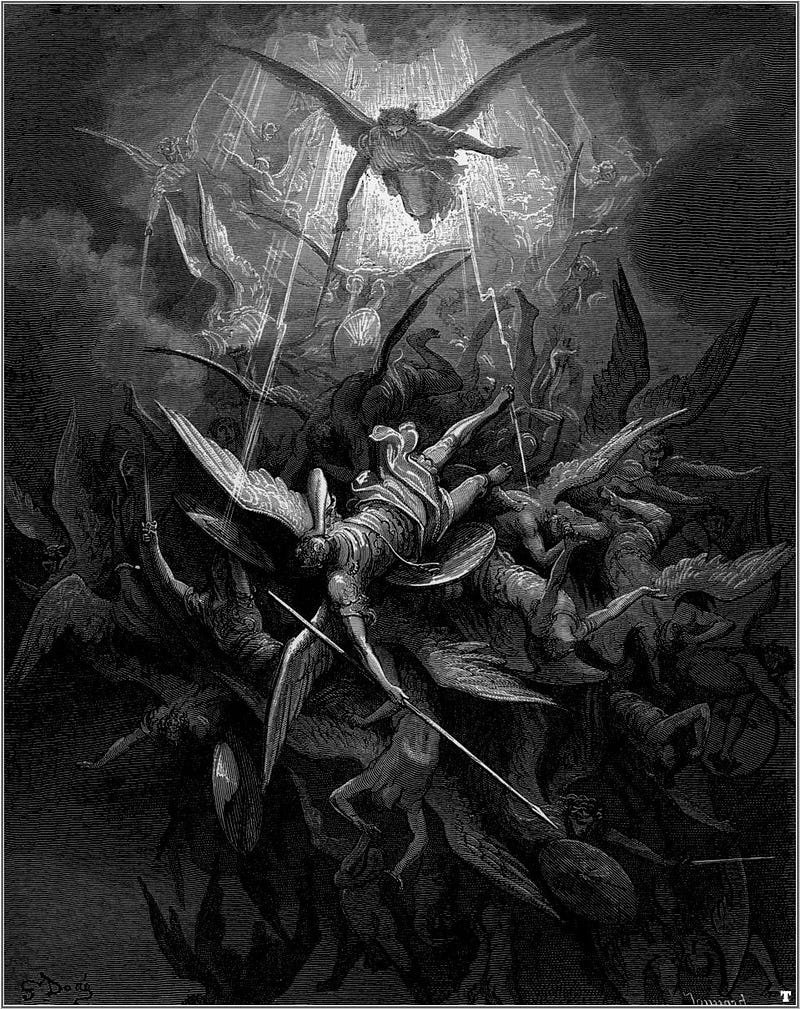
Illustration for John Milton’s “Paradise Lost“ by Gustave Doré — Credit

The main part of the diagram is taken up by various domains. The lowest domain is that of the minerals. Above that is the domain of plants. There are five spheres on the page’s left margin which mark the various domains.

Above the plants is the domain of animals which has been divided into land animals on the lowest level with fish and other aquatic life on the next level, and then birds on the top of the three levels that make up the animal domain. Above the animal domain is the human one. Above the human domain is one of the angels and above that is God.

Apparently, these divisions are based on the amount of spirit these entities possess. God is a being of pure spirit plus He is all-powerful, all-knowing, and everywhere. Angels are beings of pure spirit. Humans are a mixture of spirit and material bodies. Animals have material bodies and instincts as well as the ability to move. Plants can grow and reproduce but cannot move. Minerals cannot move, reproduce, or sense.

Evolution as a new Great Chain of Being

Evolutionary theory has produced a new Great Chain of Being, in that there is a tendency to look at evolution as a process leading to progress. As though there is a set of stairs and evolution is developing ever more complex lifeforms that are ascending this stairway, and that the goal of evolution is to reach the top of this stairway by developing the ideal lifeform.
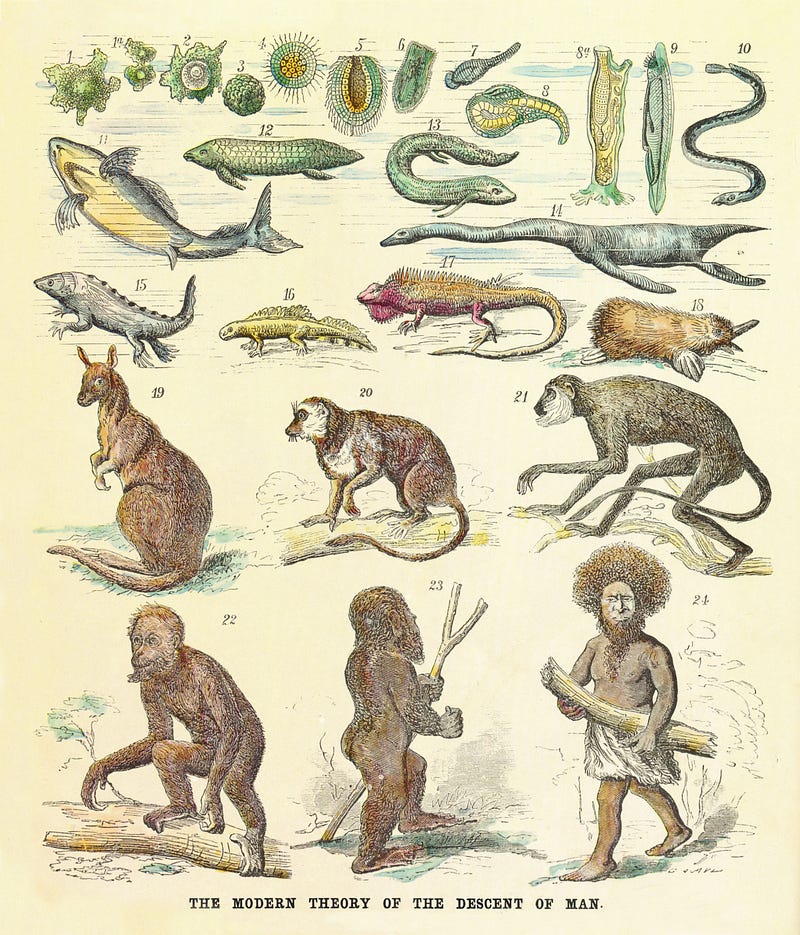
G Avery’s opinion of The modern theory of the descent of man (1876) — Credit

For example, let’s take a look at the image above from the magazine Scientific American dated 11 March 1876. The legend to the image is reproduced below.

1. Amoeba 1a. Asexual reproduction (amoeba dividing) 2. Sexual reproduction (cell with spore) 3. Multi-cellular organism (early embryonic stage) 4. Multicellular organism with three germ layers (blastula) 5. Organism with primitive mouth (gastrula) 6. Planaria 7. Worm (leech) 8. Primitive chordate (tunicate larva) 8a. Adult tunicate 9. Lancelet 10. Jawless fish (lamprey) 11. Cartilaginous fishes (shark) 12. Australian lungfish 13. South American lungfish 14. Aquatic reptile (plesiosaur) 15. Aquatic amphibian (Axolotl) 16. Modern amphibian (newt) 17. Reptile (iguana) 18. Monotreme (platypus) 19. Marsupial (kangaroo) 20. Prosimian (lemur) 21. Monkey (langur) 22. Ape (orangutan) 23. Ape-man (Pithecanthropus) 24. Modern human (a Papuan)

According to current evolutionary theory, this is the wrong way to look at evolution. Evolution has no goal. It is not climbing a stairway, it is instead a rolling wave, flowing along the path of least resistance, filling each available niche as it arises.

I, however, do appreciate the Great Chain of Being as a metaphor. Let’s look back at the development of life and I’ll show you how I tend to think about the Great Chain of Being.

Let’s start with aquatic arthropods with trilobites and then branching out with lobsters, crabs, and shrimp.
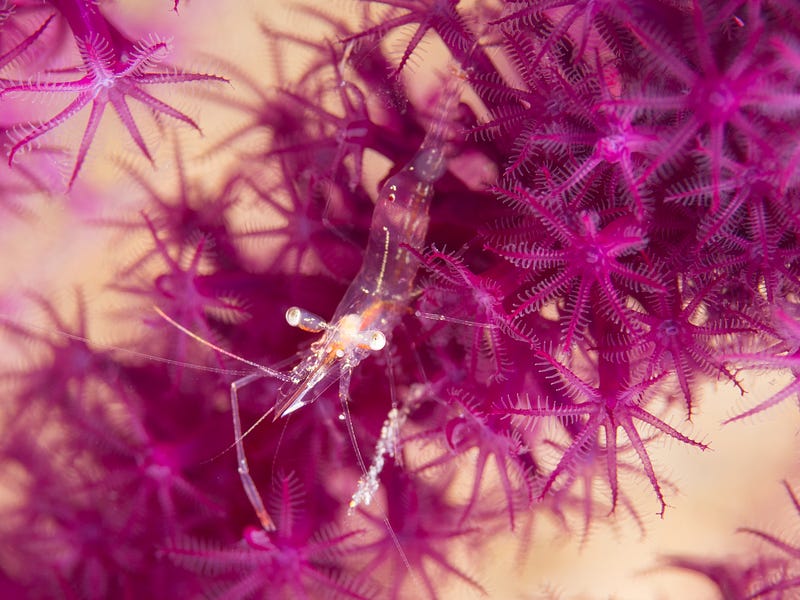
Photo by jean wimmerlin on Unsplash

Eventually, some of these creatures find themselves on dry land where they adapt to the new environment.
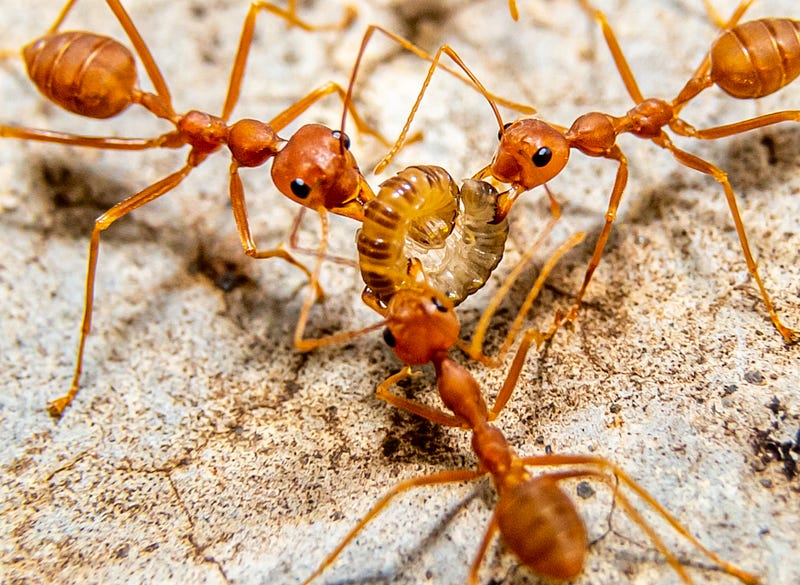
Photo by Chetra Khieu on Unsplash

In time, some of these adapted forms develop wings and gain the ability to fly.
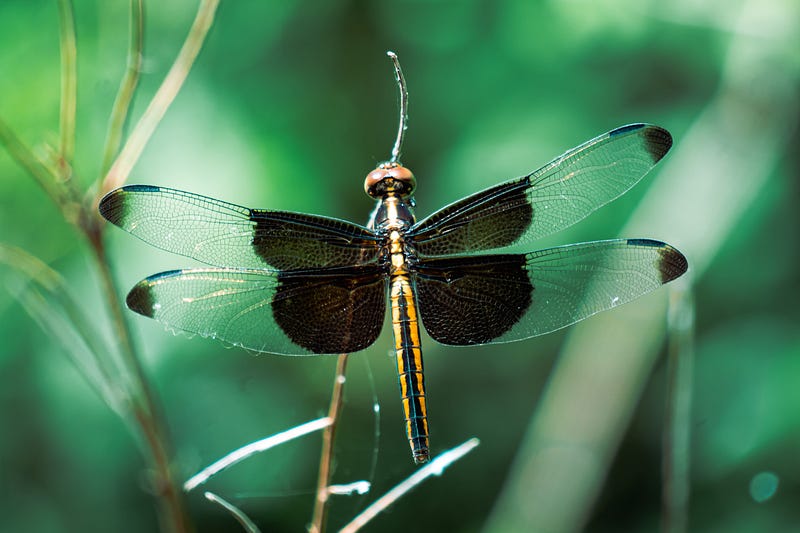
Photo by Dylan Hunter on Unsplash

This strand of life goes from aquatic arthropod to terrestrial bug to flying insect. But is the flying insect truly free? No, it has just traded one domain for another. It has escaped the environment of liquid but it is now confined to an environment of atmospheric gasses.

Insects can fly as long as the air temperature is at least 50 degrees Fahrenheit (10 degrees Celsius). That means that they can fly up to about 6000 feet (2000 meters) on a 90 degree Fahrenheit (32 degree Celsius) day. The fastest flying insect is a horsefly which can fly up to 90 mph (145 kph). That isn’t high enough or fast enough to escape from the earth’s gravity.

So evolution tries again. Maybe the problem has to do with intelligence.

Evolution comes up with a new invertebrate body plan. Instead of having an external skeleton as found on arthropods, this new adaptation has a skeleton that is inside the body. This allows the brain to grow larger within a protective shell of bone. This protective shell extends down the back and becomes the spine that houses the spinal cord of nerve tissue.
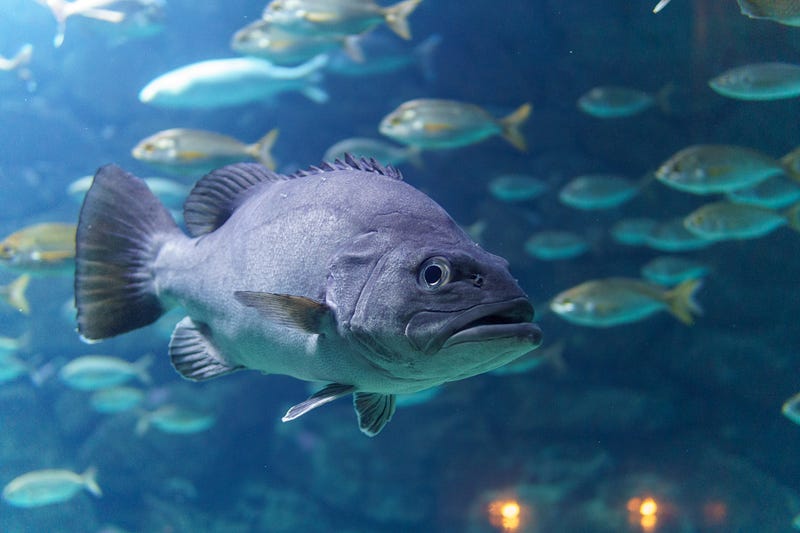
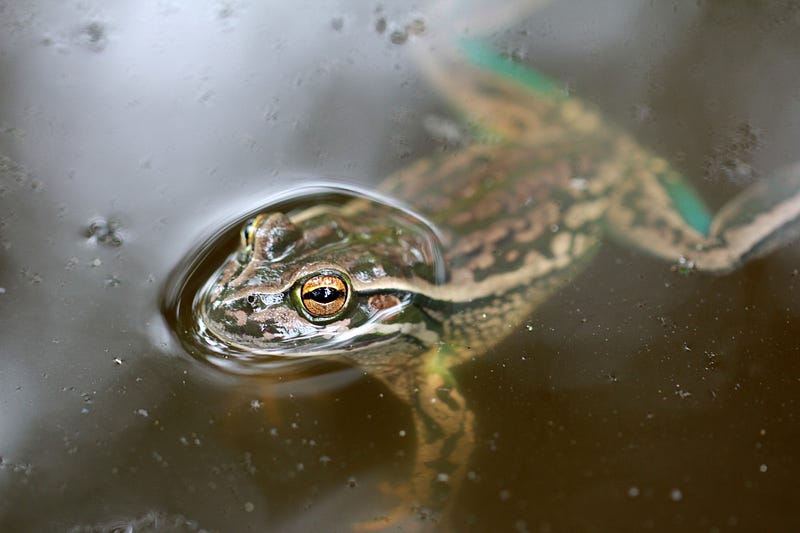
Photo by Alexander Vasilchikov on Unsplash/Photo by Sandy Millar on Unsplash

Fish adapt to life outside of water, becoming amphibians. However, amphibians are still bound to water for survival. The next jump is to reptilian when the creatures spend their entires lives on dry land. And then, the final adaptation, the bird.

The fish rising from the waters to conquer dry land becomes a bird pumping its wings to rise into the heavens. They can fly up to 40,000 feet which is about 7.5 miles or a little over 12 kilometers high and the fastest bird can travel over 150 mph (240 kph) when flying horizontally. But that’s still not high enough nor fast enough to be completely free of the earth. No bird can ever achieve that feat.
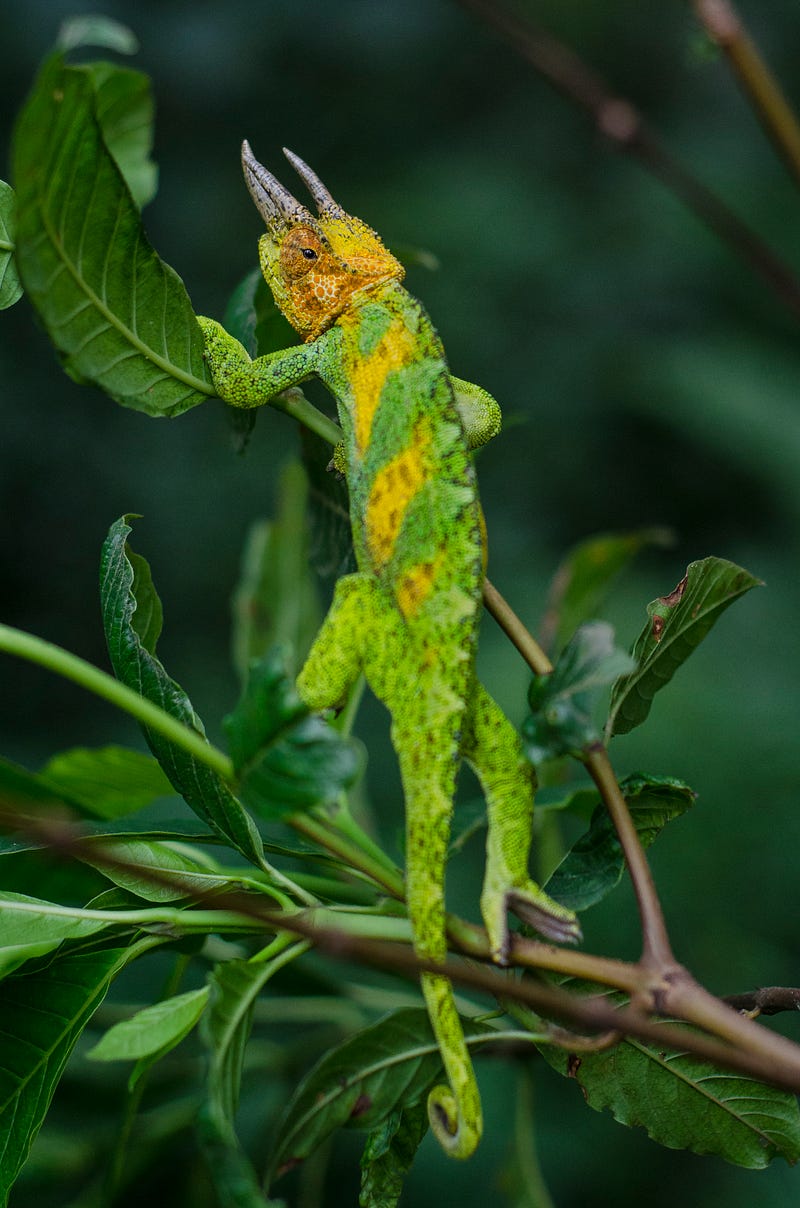
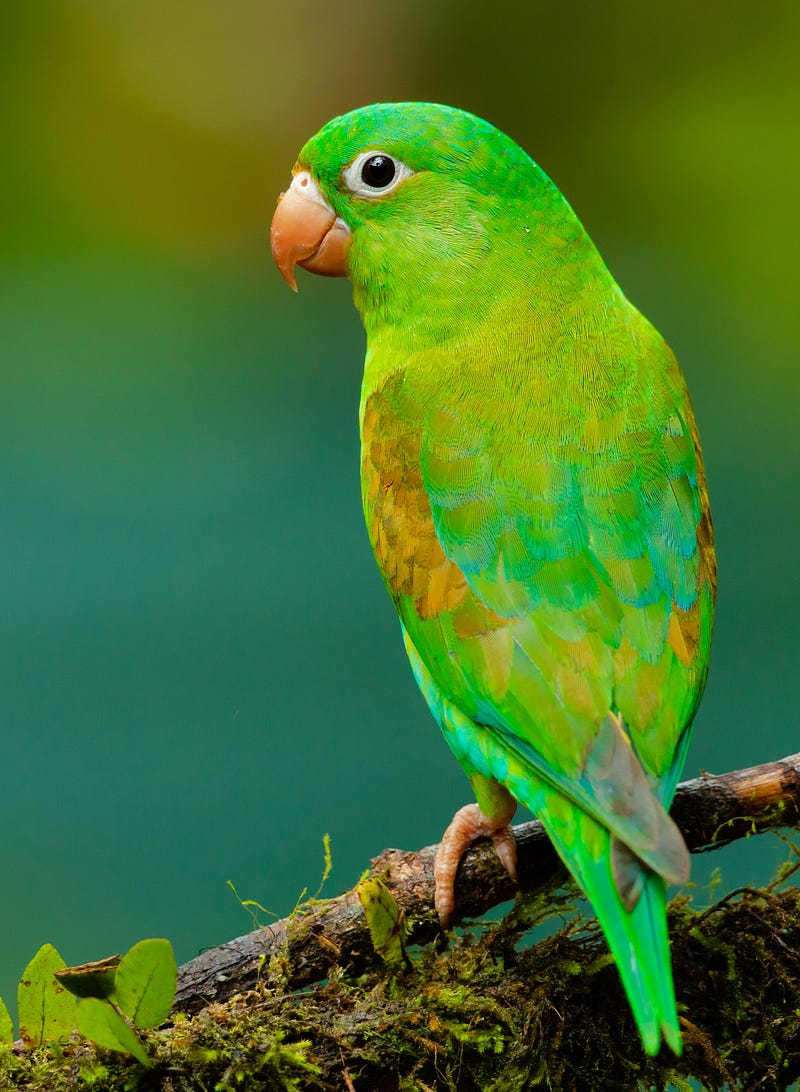
Photo by Musiime Muramura on Unsplash/Photo by Zdeněk Macháček on Unsplash

Cold-blooded vertebrates are smarter than insects because they have bones that can support larger and heavier brains. But being cold-blooded, their metabolisms are too slow to fuel brains large enough to figure out how to escape from the earth’s gravity well.

Birds aren’t cold-blooded and so they have a higher brain-to-body mass ratio, but then there are still size limits due to their weak hollow bones and their legacy body design.

Evolution tries again with mammals. Mammals are warm-blooded and so they can fuel a larger brain. Then the problem becomes that of walking on four limbs with a head on a forward-facing neck. There is apparently a limit to how big a brain can become based on how big a body needs to be to support it. Think of an elephant.
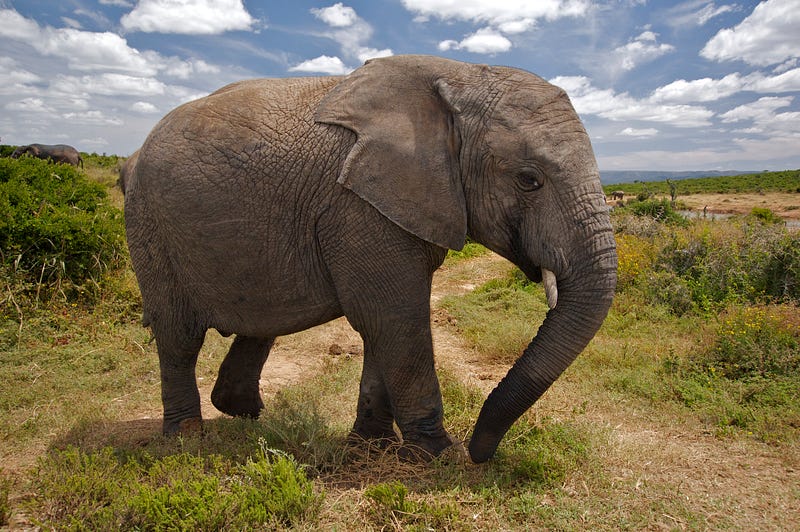
Photo by Wolfgang Hasselmann on Unsplash

So the next adjustment is for the development of warm-blooded creatures that can walk on two legs instead of four. Eventually, they will be able to balance larger and larger heads on top of their towering bodies. These heads will contain bigger and bigger brains until a new constraint appears. Women’s birth canals can only handle heads of a certain circumference and no larger.

Cracking the cosmic egg

Still, even with the limits in brain size, humans have managed to escape from the earth’s gravity well and to walk on the moon. This accomplishment should perhaps be visualized as a walk along the inside of an eggshell that protects the earth. There has yet to be a manned mission to land on the far side of the moon, which, when it occurs, should be understood as taking place on the outside surface of the cosmic eggshell.

I don’t see a Great Chain of Life so much as a Great Arrow of Life pointed upward towards the heavens. That which is low aspires to rise. At the same time, there is another arrow pointed downwards. That which is highest yearns to descend.

Angels fall while humanity ascends.

Great Chain Of Being
Evolution
Philosophy
Space Exploration
Spirituality
Recommended from ReadMedium
avatarDr Deborah Maw, the Faerie Godmother
Quantum Jumping

2 min read