avatarLucianoSphere (Luciano Abriata, PhD)

Free AI web copilot to create summaries, insights and extended knowledge, download it at here

1964

Abstract

*jDHVvGNcHei-eXG9rnx7Qg.jpeg"><figcaption>Some of the many water streams feeding the Orbe along its way. Photos by author.</figcaption></figure><p id="c80e">Before reaching the small village of Les Clees the mountains around the river get so steep that you need to cross through 1, then 2, 3, and 4 tunnels carved into the rock.</p><figure id="b055"><img src="https://cdn-images-1.readmedium.com/v2/resize:fit:800/1*Otf7m5t8zEGqfYOwOtqQqg.jpeg"><figcaption>Two of the 4 small tunnels you need to cross (besides the longer tunnel that goes under the Saut du Day in part 1 of this story). Photo by author.</figcaption></figure><p id="8a66">Then slopes get milder until you reach Les Clées, a small, nice village from where you can hike south towards Bretonnieres and take a train ride back home, or keep walking into the second stage of the Gorges de l’Orbe hike. This second part is a bit less wild but also had some gems as you will see in the next sections, that I sub-titled by highlight.</p><p id="5167"><b>The <i>marmites </i>and gold washing close to Les Clées</b></p><p id="4ae7">From Le Day until Les Clées we walked along the Gorges mostly on the right margin of the river. But then for the stage Les Clées — Orbe you can choose to go through the right or left margin. The right one was closed this time, so we followed the left one. But before continuing towards Orbe we visited a small place indicated by the name of Les Marmites, just a 5-minute walk from Les Clées on the right side of the river. We found them, and to our surprise, a group of locals was looking for … gold! We could even get to see some of their harvest.</p><figure id="eb20"><img src="https://cdn-images-1.readmedium.com/v2/resize:fit:800/1*0Y8HCHF34_utxnPIg7FVcg.jpeg"><figcaption>The rounded shapes in the stone, hard to see because they are mostly covered in water, are the Marmittes. Photo by author.</figcaption></figure><p id="d499">“The cost of everything we brought for lunch

Options

is far higher than the amount of gold we get. We just do this for fun!” -one of the guys explained as the other showed me the dish in which he was washing gold particles that he sucked and placed inside a transparent flask for storage and carriage.</p><figure id="ae26"><img src="https://cdn-images-1.readmedium.com/v2/resize:fit:800/1*CSGPd9xSYoDX3FdDeLQ5ZA.jpeg"><figcaption></figcaption></figure><figure id="5452"><img src="https://cdn-images-1.readmedium.com/v2/resize:fit:800/1*Co1fLnyVh9wzCSUFuNRD_w.jpeg"><figcaption>Left: in this kind of dish they can wash out the sand particles to reveal small gold particles that they then place in a flask (right). Photos by author.</figcaption></figure><p id="13ff">“The gold is heavier than the dust and sand, so it quickly deposits at the bottom of the disk and that’s how it gets cleaned up and exposed.” -one of the guy explains.</p><p id="aec4">“And in the marmites, when the water level is lower and the river flows softly, the separation of gold takes place all by itself.” -he extends.</p><p id="9610">An unexpected experience that got me quite fascinated. To know more about gold washing in the Orbe river <a href="https://www.noreen.ch/orbe.html">see this</a></p><p id="95e2"><b>Go to part 3 of this story to see more of this green and water paradise as we leave it to get to the town of Orbe.</b></p><p id="4149"><i>I am a nature, science, technology, programming, and DIY enthusiast. Biotechnologist and chemist, in the wet lab and in computers. I write about everything that lies within my broad sphere of interests. Check out my <a href="https://lucianosphere.medium.com/lists">lists</a> for more stories. <a href="https://lucianosphere.medium.com/membership">Become a Medium member</a> to access all stories by me and other writers, and <a href="https://lucianosphere.medium.com/subscribe">subscribe to get my new stories</a> by email (original affiliate links of the platform).</i></p></article></body>

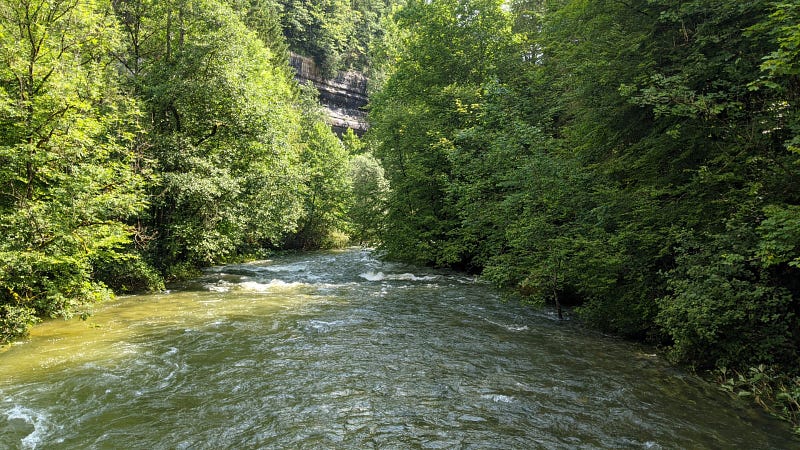
View from the first wooden bridge of the trail. Photo by author.

The Gorges de l’Orbe after weeks of intense rainfall. Part 2.

GREEN, WATER, AND GOLD WASHING ALONG THE ORBE RIVER

PART OF MY SERIES Natural wonders of Switzerland’s canton Vaud

See the first part of this story here.

Leaving the tunnel behind, you keep walking by the left side of the river, which on this occasion was overflooded on its edges. The river then suddenly turns right as it gets boxed into a canyon, but you cross it once more, this time through a wooden bridge and keep walking along its right margin.
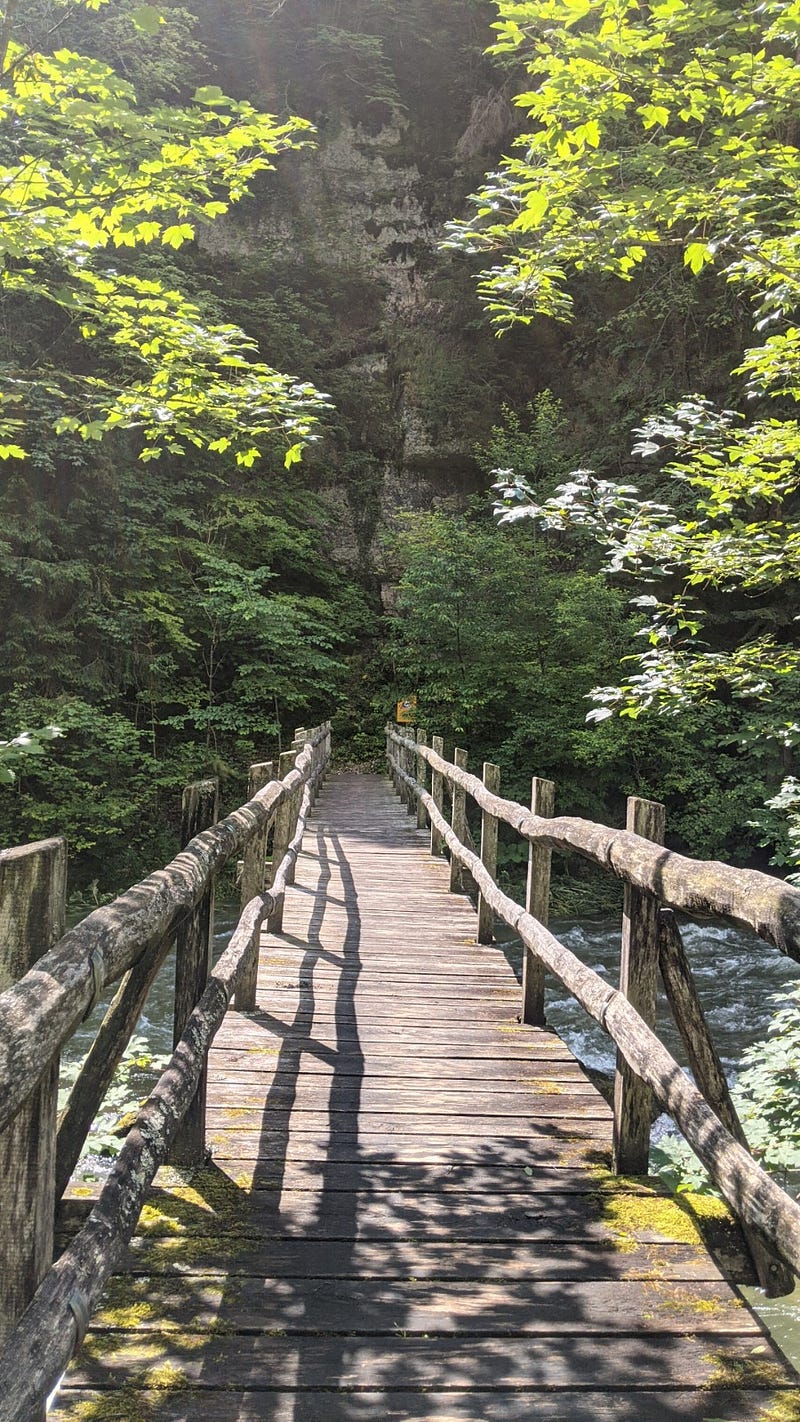
The first wooden bridge of the trail. Photo by author.

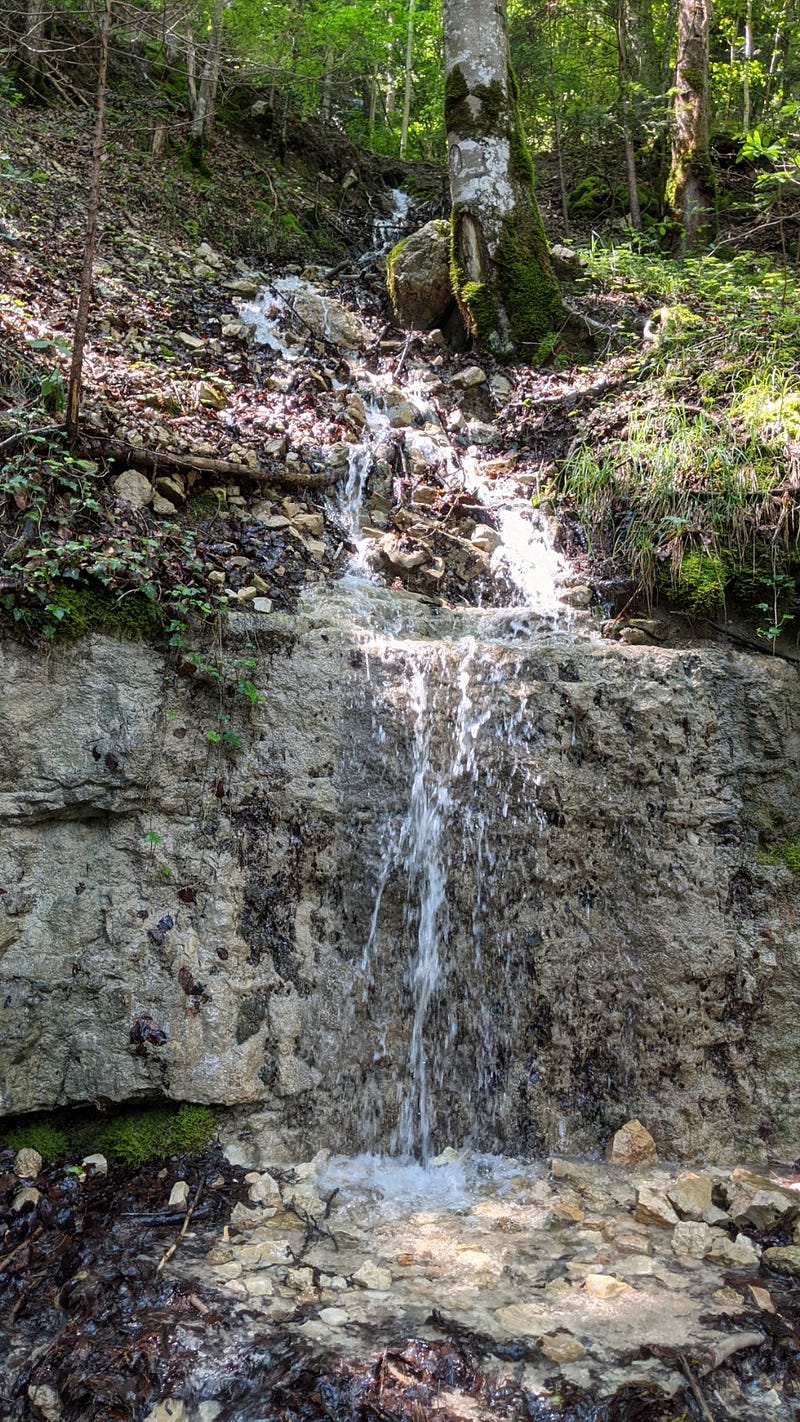
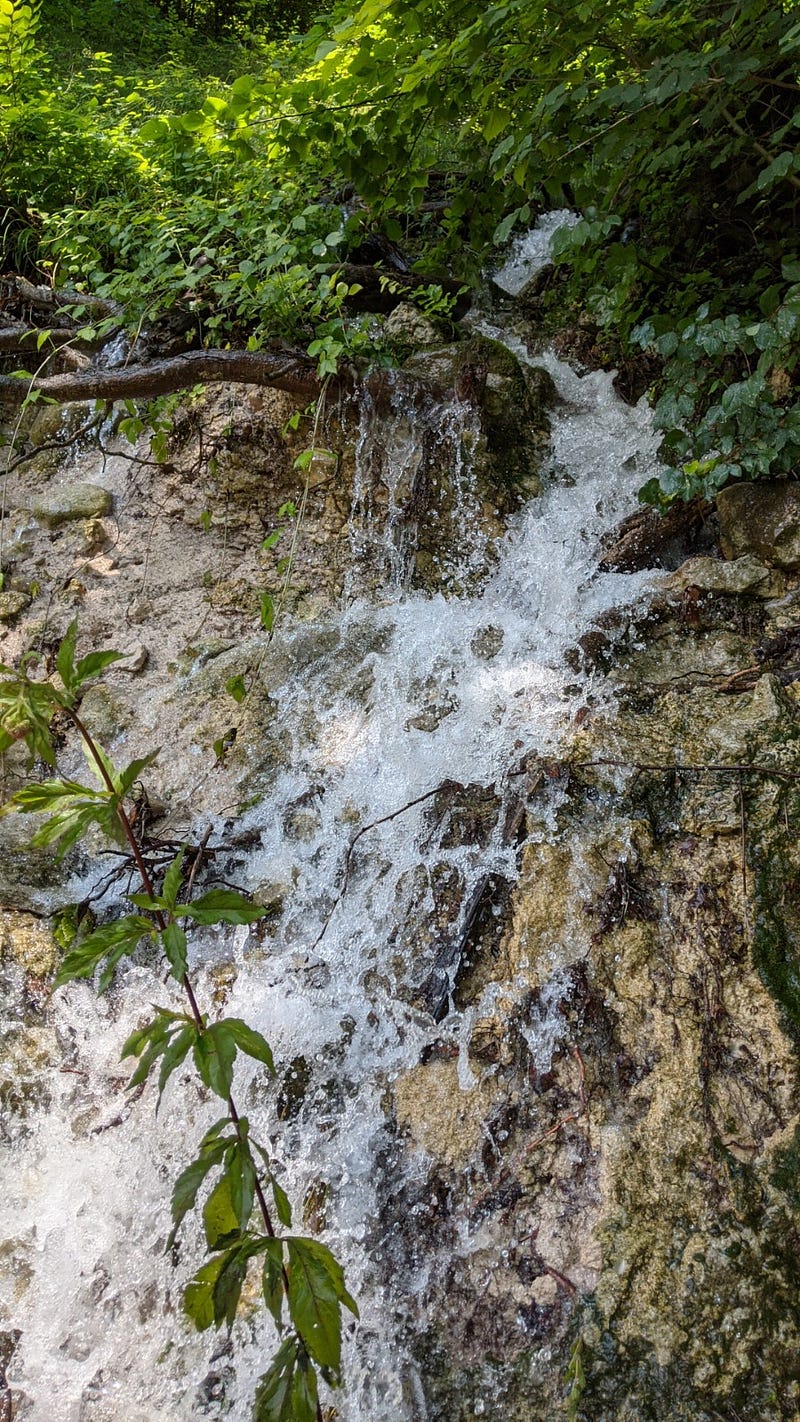
You then keep walking on the right margin, gently going up and down as hundreds of streams, water leaks and other sources of water keep feeding the main river. The scene is very green and wet, with water coming out of the soil as if squeezing a sponge.
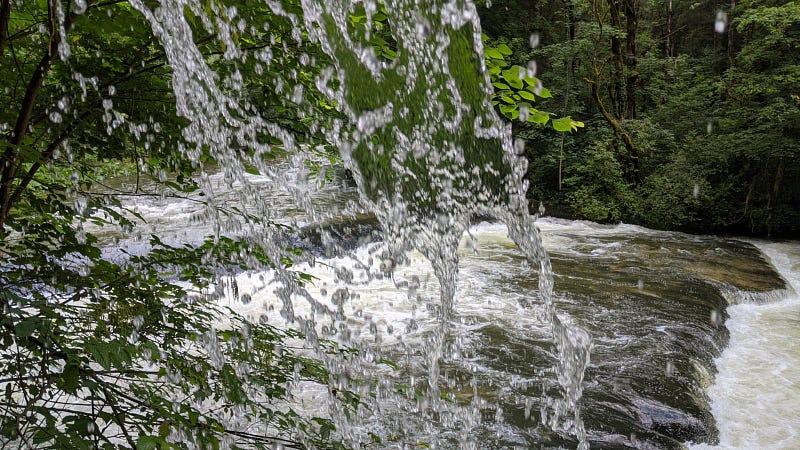
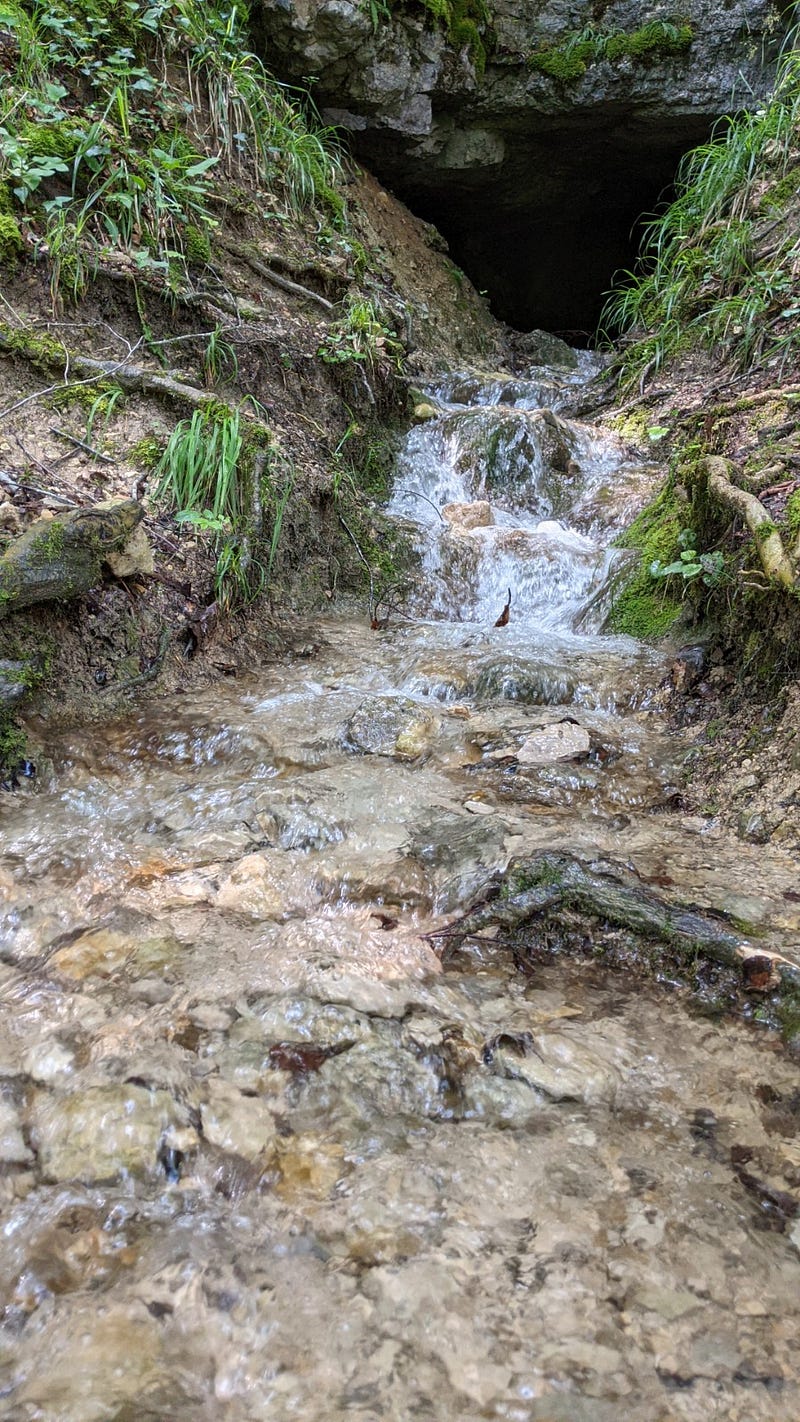
Some of the many water streams feeding the Orbe along its way. Photos by author.

Before reaching the small village of Les Clees the mountains around the river get so steep that you need to cross through 1, then 2, 3, and 4 tunnels carved into the rock.
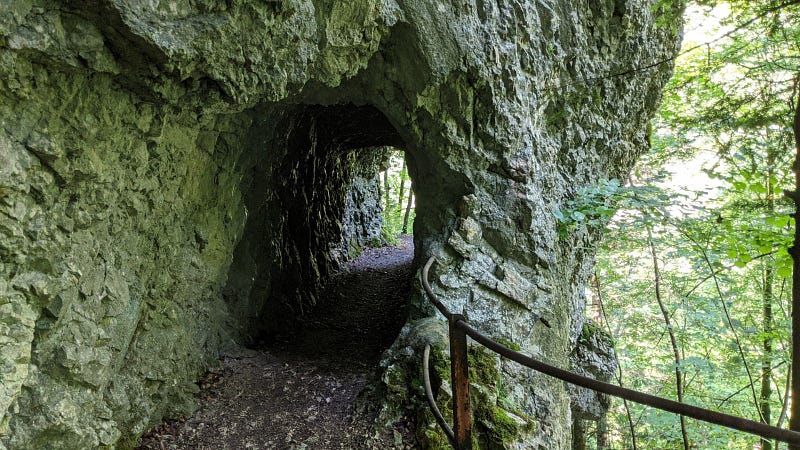
Two of the 4 small tunnels you need to cross (besides the longer tunnel that goes under the Saut du Day in part 1 of this story). Photo by author.

Then slopes get milder until you reach Les Clées, a small, nice village from where you can hike south towards Bretonnieres and take a train ride back home, or keep walking into the second stage of the Gorges de l’Orbe hike. This second part is a bit less wild but also had some gems as you will see in the next sections, that I sub-titled by highlight.

The marmites and gold washing close to Les Clées

From Le Day until Les Clées we walked along the Gorges mostly on the right margin of the river. But then for the stage Les Clées — Orbe you can choose to go through the right or left margin. The right one was closed this time, so we followed the left one. But before continuing towards Orbe we visited a small place indicated by the name of Les Marmites, just a 5-minute walk from Les Clées on the right side of the river. We found them, and to our surprise, a group of locals was looking for … gold! We could even get to see some of their harvest.
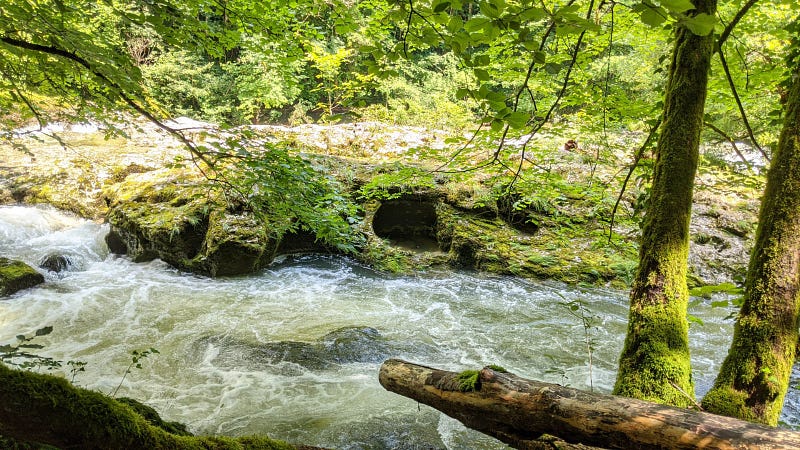
The rounded shapes in the stone, hard to see because they are mostly covered in water, are the Marmittes. Photo by author.

“The cost of everything we brought for lunch is far higher than the amount of gold we get. We just do this for fun!” -one of the guys explained as the other showed me the dish in which he was washing gold particles that he sucked and placed inside a transparent flask for storage and carriage.
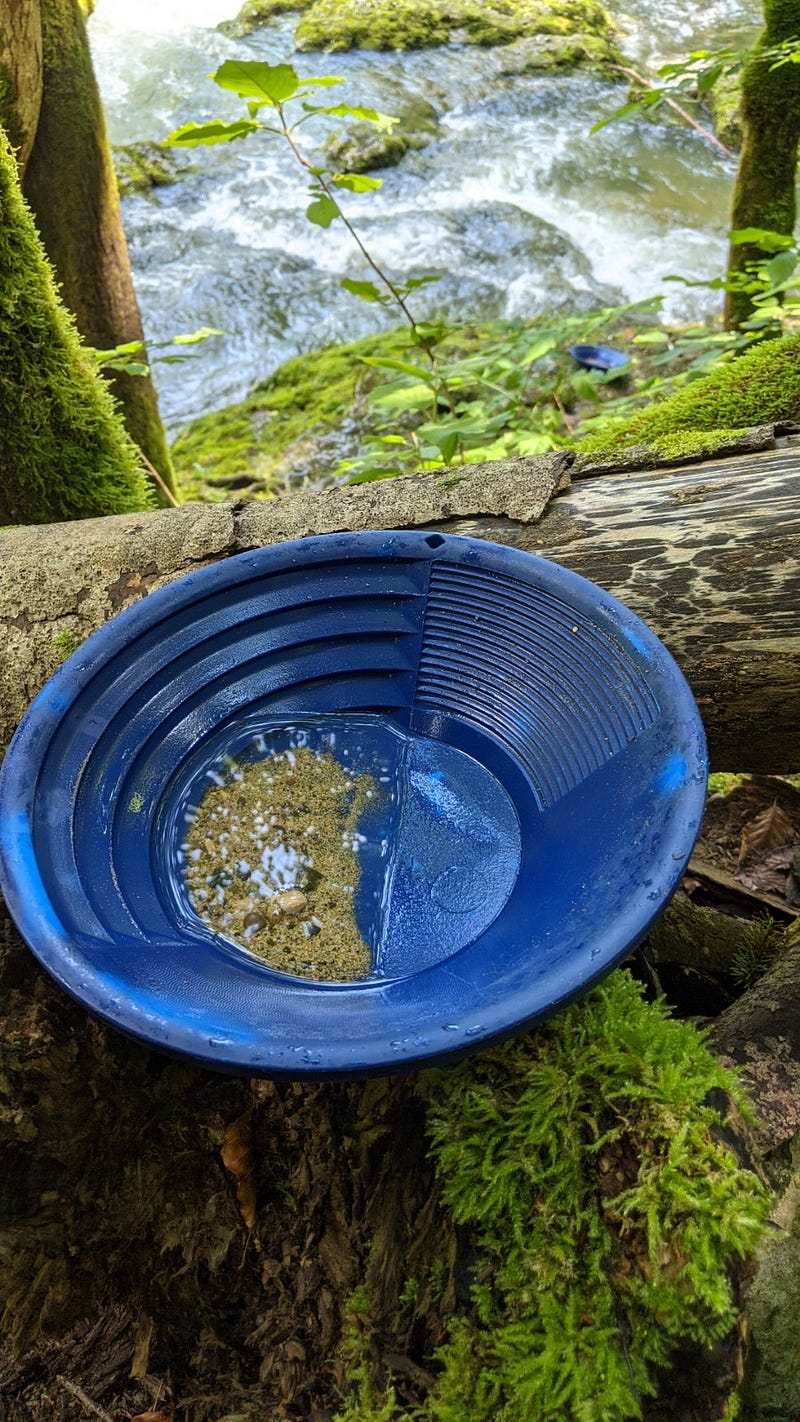
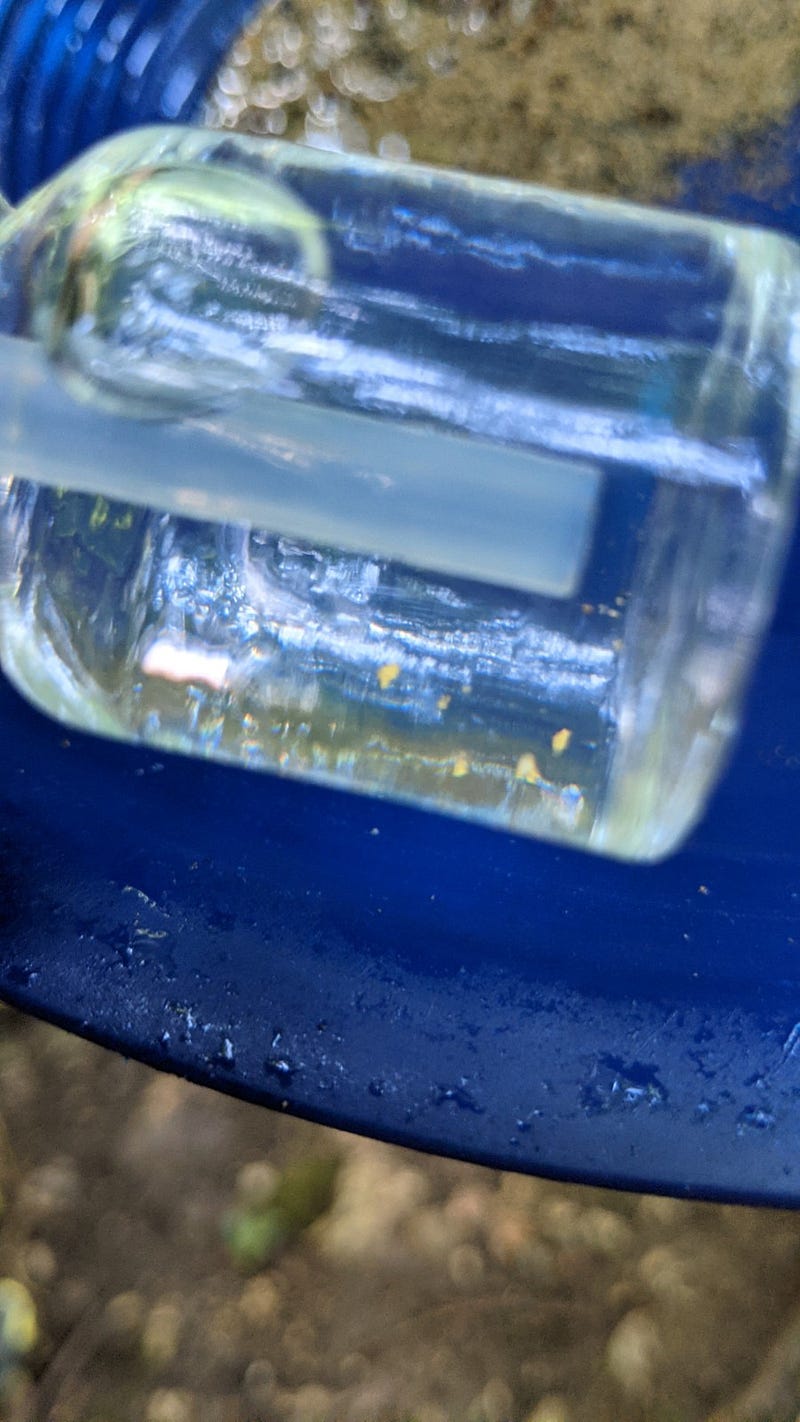
Left: in this kind of dish they can wash out the sand particles to reveal small gold particles that they then place in a flask (right). Photos by author.

“The gold is heavier than the dust and sand, so it quickly deposits at the bottom of the disk and that’s how it gets cleaned up and exposed.” -one of the guy explains.

“And in the marmites, when the water level is lower and the river flows softly, the separation of gold takes place all by itself.” -he extends.

An unexpected experience that got me quite fascinated. To know more about gold washing in the Orbe river see this

Go to part 3 of this story to see more of this green and water paradise as we leave it to get to the town of Orbe.

I am a nature, science, technology, programming, and DIY enthusiast. Biotechnologist and chemist, in the wet lab and in computers. I write about everything that lies within my broad sphere of interests. Check out my lists for more stories. Become a Medium member to access all stories by me and other writers, and subscribe to get my new stories by email (original affiliate links of the platform).

Nature
Hiking
Switzerland
Plants
Forest
Recommended from ReadMedium