
The Good of the World Depends On Unhistoric Acts
Fame is less important than the good we put out in the world
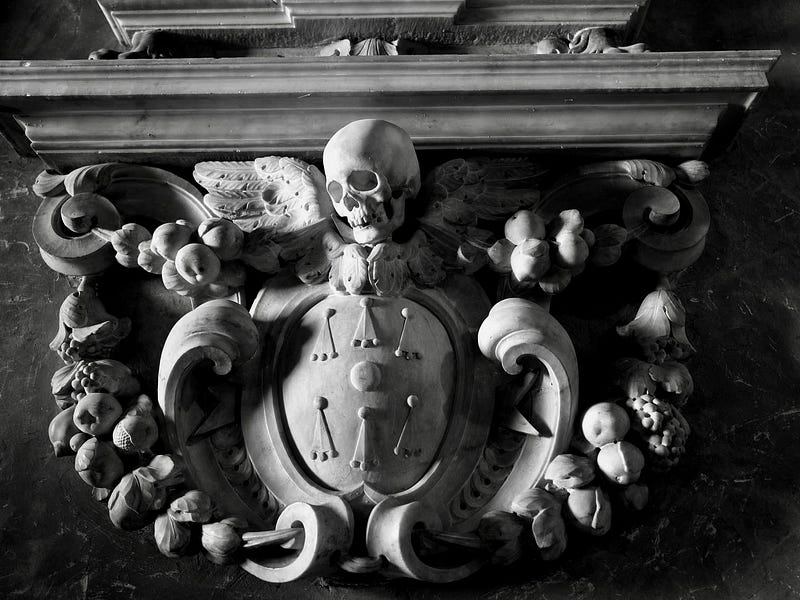
It’s amazing how inspiration can come from the most unlikely sources.
Yesterday I was reading an obituary in the digital version of The Wall Street Journal. It was written by James Hagerty, who has a gift for honoring the lives of the dearly departed.
Hagerty’s obituary was about an amazing woman named Frances Hesselbein, who passed away at 107.
In the obituary, two Chinese vases on a shelf are mentioned. They belonged to Frances’s grandmother, who was gifted the vases by a Chinese laundry operator.
People used to call the Chinese laundry man racial epithets. But not Frances’s grandmother.
The laundry man gifted the two vases to Frances’s grandmother, telling her, “You are the only one who ever called me Mr. Yee.”
The fact that Frances never forgot her grandmother’s Chinese vases reflects the power of actions to influence others, especially the young.
I emailed the obituary writer, James Hagerty, after reading his piece, and wrote the following:
“As usual, another fine obituary. I love the small details that say so much. Like the vases, her grandmother’s respect for the Chinese laundry man. A George Eliot quote comes to mind: “…for the growing good of the world is partly dependent on unhistoric acts; and that things are not so ill with you and me as they might have been, is half owing to the number who lived faithfully a hidden life, and rest in unvisited tombs.”
Hagerty replied, thanking me and writing, “What a lovely quote.”
The entire exchange got me thinking about the truth of the George Eliot (pen name for Mary Anne Evans) quote, which comes from her book, “Middlemarch, A Study of Provincial Life.”
The world is full of amazing people who love, sacrifice and lead by example for loved ones and others. But these amazing people are not famous and will never be known by the rest of us.
And that’s okay. Fame is less important than the good we put out in the world.
The Lincoln Memorial in Washington DC attracts endless visitors who admire Abraham Lincoln. Yet few, if any, visit the grave of Lincoln’s stepmother.
Without Sarah Bush Lincoln’s love, support, and providing books for young Abe, he might not have reached greatness.
The good of the world depends on unhistoric acts.
Like the fathers who take a day off to spend at the zoo with their children. The mothers who get up early to pack their kid’s school lunches. The friends who drop everything to come help in your time of need.
You don’t need to become a movie star or social media influencer.
Just focus on unhistoric acts of love, kindness, and thoughtfulness. Because when you contribute to the good in the world, you repair a bit of whatever might be broken in yourself.
And you just might inspire others to follow your example.
Before you go
I’m John P. Weiss. I write elegant stories and essays about life, often illustrated with my artful photography and whimsical cartoons. Get the latest for free with The Saturday Letters.