
The “Good Child Phenomenon”: How We Cultivate It In Children Through Our Attitude And Behavior
Let us raise healthy children who will become emotionally healthy adults and autonomous personalities with big plans, dreams, and goals.

From the moment we are born, all we want is love and acceptance. At first, this need is expressed through crying. We learn that when we cry our needs are satisfied. As we grow up, one of the phrases that accompany us is: “to be a good child”. It is very common advice from our close environment.
So what is the next step? To gain attention and acceptance by doing what we are told! Typical phrases, such as: “listen to your parents”, “share what you have”, “help anyone in need”, “give”, “be kind” and all these stereotypes are repeated daily, because “that is what good children do”!
On the other hand, the carrot and stick motivation is equally observed; “be a good child, otherwise I will not love you”, or “bad children are not loved by others”. Have you ever thought about what messages we send to our beloved little ones?
Do we relate love to selfishness? Is it worth selling our freedom for a little acceptance? Shouldn’t it be healthier to learn how to love ourselves? Recognition, love, and acceptance are terms often confused.
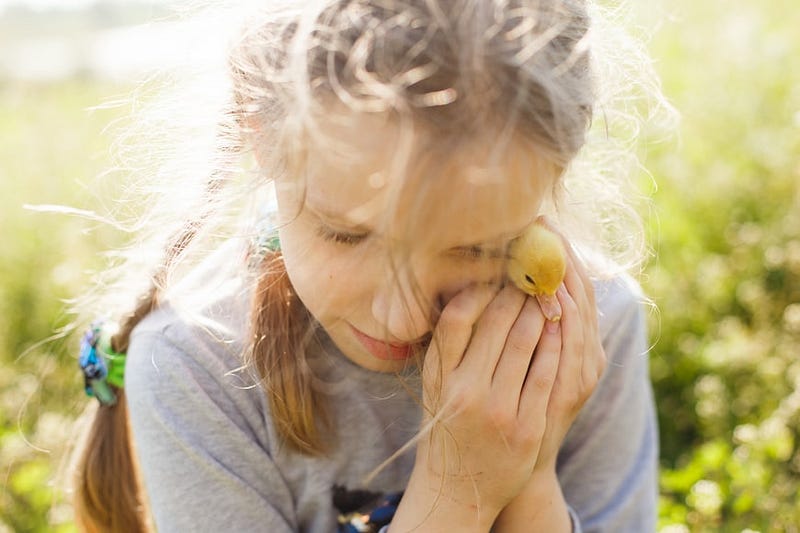
These children grow up and become adults with the very strong belief that they must remain “the good child”. They have to compromise, to say “yes” to everyone, to sideline their needs, so as not to offend anyone. If they manage to say “no”, they feel guilty.
But.. what spiritual freedom are we talking about? What mood to chase their dreams, when they waste so much time trying to satisfy everyone else? In the end, what acceptance will they gain when they do not even love themselves?
Let us raise healthy children, who will become emotionally healthy adults later in their lives; autonomous personalities with big plans, dreams, and goals.
Remember: your children will become who you are. So, instead of teaching them the must-do list, just be who you want them to be!
RELATED ARTICLES


