
The Goal of Life
To truly live is rare
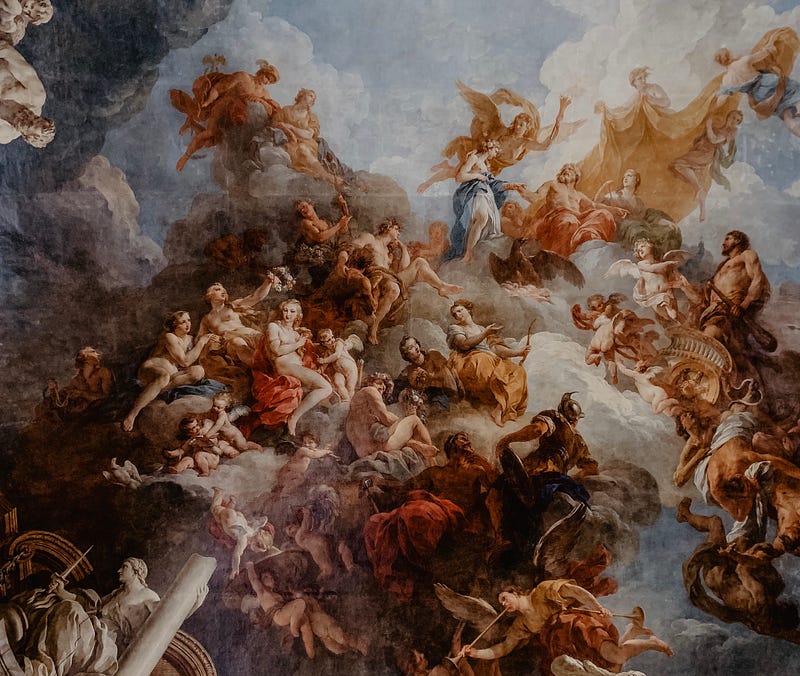
Many have come before us. Many will come after us. We all ponder the same questions: To what end? What’s the point of it all? What’s the meaning of my life? These are big questions about the meaning of life. Your place in the universe. And what you’ve done with the shortness of life. I’ve read a of content on the pursuit of a meaningful life. One thing is common among many thinkers. Life is less about finding a single, definitive answer to the goal of life. It’s more about actively participating in your own “becoming.”
“The moment in between what you once were, and who you are now becoming, is where the dance of life really takes place.” — Barbara De Angelis
From the existentialist perspective, the goal of life is to create your own meaning in an inherently meaningless world. We are free to choose our values, forge our paths, and make a mark. Existentialists like Sartre and Camus proposed meaninglessness is a chance to create your purpose or meaning. But they thought freedom, though liberating, can be daunting. “Man is condemned to be free; because once thrown into the world, he is responsible for everything he does. It is up to you to give [life] a meaning,” Sartre said. He compels us to grapple with questions of responsibility and the very nature of existence.
Humanistic Psychologists Maslow and Rogers thought we are driven by a fundamental desire for self-actualisation (the final stage of self-evolution). They observed the desire to reach your full potential or experience a sense of purpose through personal growth or work keeps us going. That means actively pursuing activities, relationships and work that bring out the best in you. They encourage us to become the best versions of ourselves.
“The goal of life is to be a vehicle for something higher. Keep your eyes up there between the world of opposites watching your ‘play’ in the world. Let the world be as it is and learn to rock with the waves.” — Joseph Campbell
Aristotle proposed that the goal of life is achieving eudaimonia, a state of flourishing in life built on virtue, courage, wisdom, justice, reason, and meaningful relationships. His concept aligns with positive psychology’s focus on cultivating positive emotions, strengths, and a sense of purpose. “Man is a goal-seeking animal. His life only has meaning if he is reaching out and striving for his goals,” he said.
Utilitarians or ethical philosophers like Immanuel Kant suggest striving for the greatest good for the greatest number is more important than personal fulfilment. They argue that contributing to a better world through acts of service, social justice, or scientific advancement is a better goal. “Act in such a way that you treat humanity, whether in your own person or in the person of any other, never merely as a means to an end, but always at the same time as an end,” Kant said.
Many spiritual paths also emphasise the importance of service or acting selflessly to alleviate the suffering of others. Spiritual traditions stress union with a higher power, overcoming the limitations of the ego, and achieving enlightenment or liberation from suffering as worthy goals in life. That means aligning yourself with universal principles like love, compassion, and wisdom.
Buddhism, for instance, teaches the impermanence of things and the interconnectedness of all beings. The goal becomes achieving liberation from suffering through detachment, compassion, and mindfulness. Christians believe aligning their lives with God’s will and purpose is a central goal. That translates to actively demonstrating love, compassion, and service towards others. They aim to live ethically, express gratitude, and become more like Jesus.
Though seemingly disparate, these diverse perspectives prove the dynamic nature of the search for meaning. The philosopher’s call to create meaning, the psychologist’s focus on fulfilment, and the spiritual yearning for transcendence all contribute to a richer understanding of ourselves. Each path becomes a lens through which we can examine our goals, prompting us to ask: Are we creating meaning? Contributing to fulfilment? Cultivating virtue?
“Life, is not a having and a getting, but a being and a becoming.” Myrna Loy
The goal of life may not be to find the answer, but to actively say yes to life and enjoy it as it is, with all its complexities, joys, and sorrows. “There is no end. There is no beginning. There is only the passion of life,” says filmmaker Federico Fellini. Your goal will emerge as you explore different paths to find yourself, guided by reason, introspection, and a sense of wonder. But remember, it’s not a fixed state, but a dynamic, ever-evolving expression of your unique existence.
How you live holds immense value. The goal is not merely to “arrive” but to continuously grow, learn, and connect. In the words of essayist and novelist, Anais Nin, “Life is a process of becoming, a combination of states we have to go through. Where people fail is that they wish to elect a state and remain in it. This is a kind of death.”
Let’s stay connected. Join over 70K curious subscribers who receive my best essays and free curated tools for smarter living. Join us and get a free ebook (A collection of essays on life, productivity and happiness).


