
Flint and Steel Writing Prompt
Why Do So Many People Lack Confidence and Self-Acceptance?
The Gift I Would Give if Money was Not a Factor
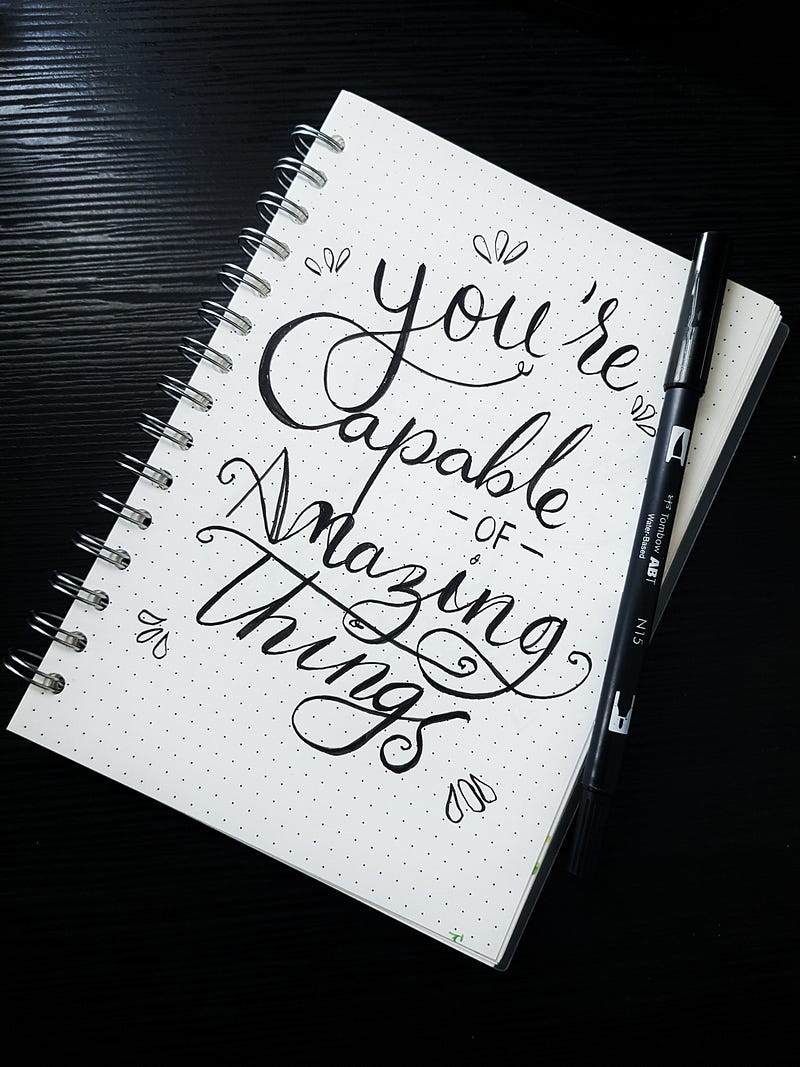
If money was not a factor, I would give confidence to young people of the world.
I would specifically give it to a young man I know.
I wish he was not so uncomfortable in his skin.
From the outside, I see he is very fortunate.
He was loved before he was born and has been blessed and loved in every way.
He is handsome, he is smart, he is loved, but he lacks confidence in himself.
No matter how much validation he receives, he continues to doubt his abilities.
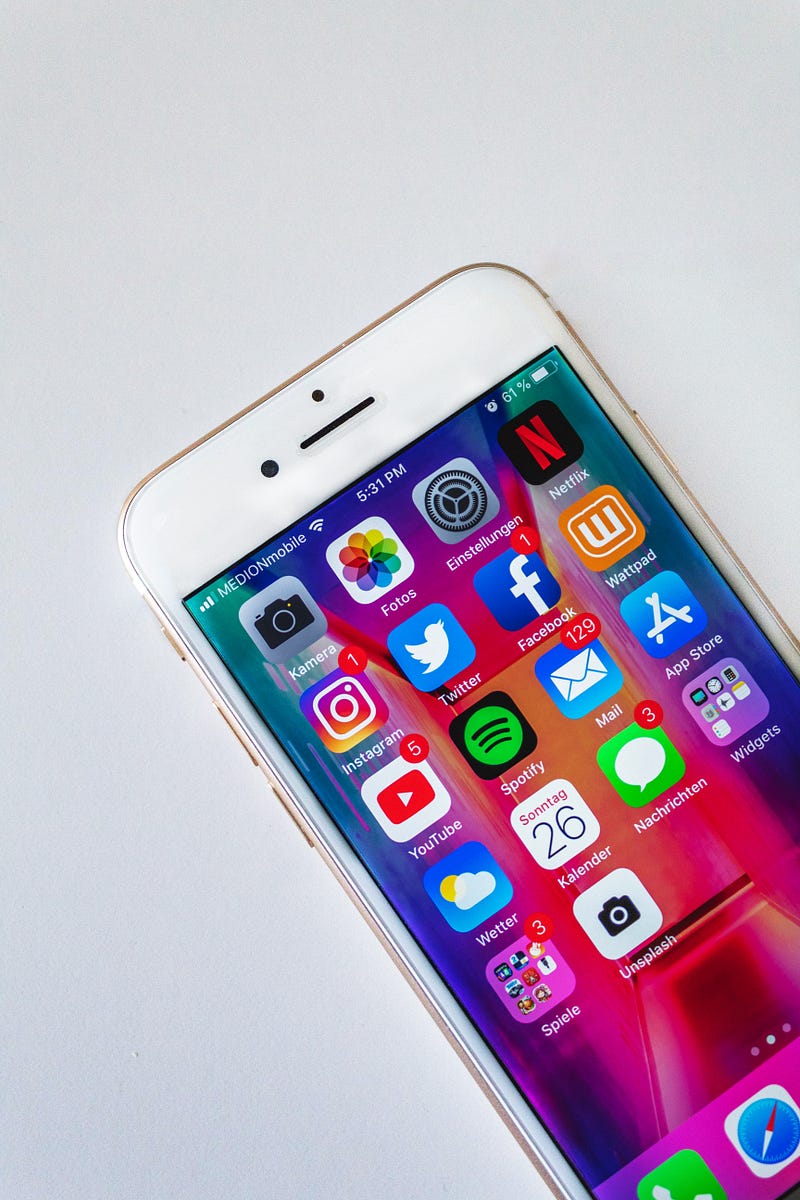
Yes, the world is difficult for the young. With everyone seemingly so successful and confident showing up all over social media ALL the time, it can appear to the young that everyone else has their stuff together.
What they fail to notice, or perhaps understand, is that most of the young people flaunting their successes online are floundering just the same as they.
In this age of social media, so much strain, stress, and comparisons are imposed onto these young minds every minute of every day.
Before they have developed into themselves, their psyches are constantly under attack.
Seeing images where everyone appears to have their lives together.
They are left feeling inadequate and wanting.

Currently, Facebook, Instagram, Google, and Twitter are under fire for their lack of transparency on their platforms to protect children.
The Washington Post writes, young people, girls especially have been found found to exacerbate negative body image, low self-esteem, anxiety, depression and, in extreme cases, suicidal thoughts.
Recently Facebook went before Congress to answer some tough questions.
Facebook Faces Senate on Mental Health and Proposed Instagram Kids Platform Issues
Facebook Global Head of Safety Director, Antigone Davis, testified before a hearing on September 30, 2021.
A fundamental crisis management best practice is not to do or say anything that can make a crisis worse or put your credibility and honesty into question.
According to the U.S. Senate Commerce, Facebook appeared to miss the mark on mental health issues related to its social media platform.
Facebook will also postpone the launch of its Instagram Kids platform. Antigone Davis, Facebook’s Head of Global Safety, represented the company at the hearing.
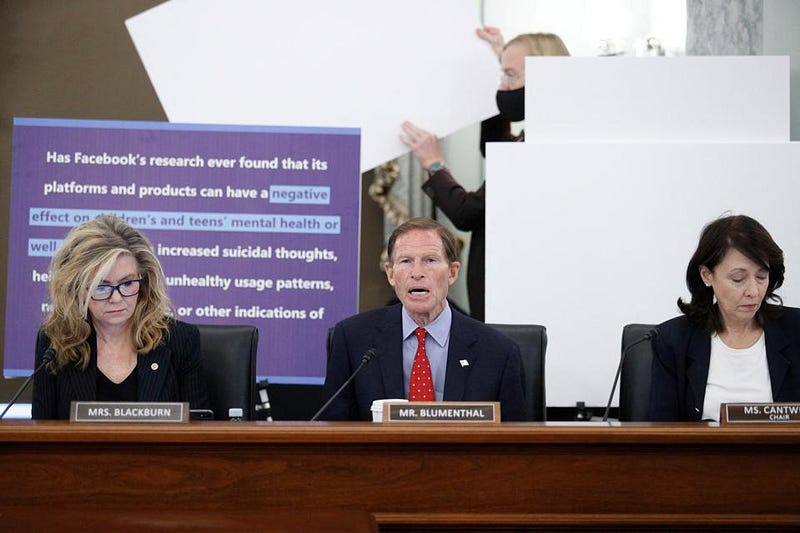
Senators accused Facebook of dodging questions and burying internal research about how its products may harm children.
The committee also pledges to further investigate the tech giant practices.
Subcommittee chairman Senator Richard Blumenthal (D-Conn.) said Facebook “… has hidden its own research on addiction and the toxic effects of its products.” The company, “has attempted to deceive the public and us in Congress about what it knows, and it has weaponized childhood vulnerabilities against children themselves. It’s chosen growth over children’s mental health and well-being, greed over preventing the suffering of children.”
Bing news reports — Senator Marsha Blackburn of Tennessee, the ranking Republican on the panel weighed in saying that, “You’ve lost trust, and we do not trust you with influencing our children.”

Final thoughts
We are living in tough times.
The internet has a firm stronghold on the minds of many people, especially our young.
I am not immune to its charms.
It seems every moment we are bombarded with images of the perfect bodies, perfect lives, and perfect relationships.
Even for us adults, the influences can present a challenge. One can be caught up in a war of comparison.
Perfect bodies, new faces, sculpted bodies, all wearing the perfect pout.
Is it any wonder it plays with the minds of many, giving birth to dark dreams of discontent?
How much more difficult it is for the developing minds of our children?
As adults, we must keep reassuring our young that they are great just the way they are. This has to be reinforced constantly from childhood.
We somehow need to let them understand that the supposedly perfect lives are just snippets in time and certainly do not tell the whole story.
Thank you all for reading.
Pene Hodge is a mom, a nurse, a writer. She writes because she must. She loves people and is committed to sharing and gleaning knowledge for the betterment of all.
If you love reading my stories, you may consider joining with the link below.
Writing prompt from the freewriting exercise, Sharing Our Gifts.


