
The Ghosts of the Soviet Past: Ukraine’s Ingenious Use of Vintage Drones Against Russia!
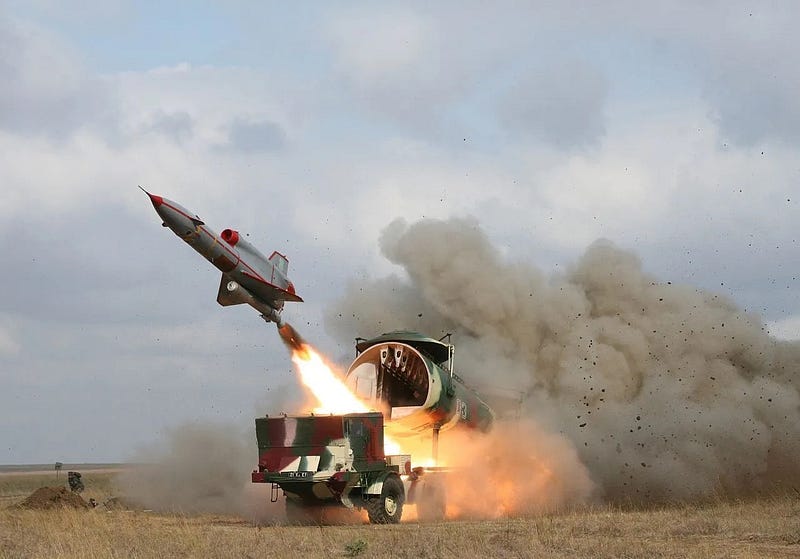
As Russia’s brutal and unprovoked invasion of Ukraine drags on into its third year with no end in sight, the Ukrainian military is increasingly turning to a surprising weapon in its desperate fight for survival: old Soviet-era reconnaissance drones. Specifically, Ukraine has managed to locate and repurpose an additional batch of 1970s-vintage Tupolev Tu-141 “Strizh” and Tu-143 “Reys” unmanned aerial vehicles (UAVs) to strike Russian targets up to 1000 km away.
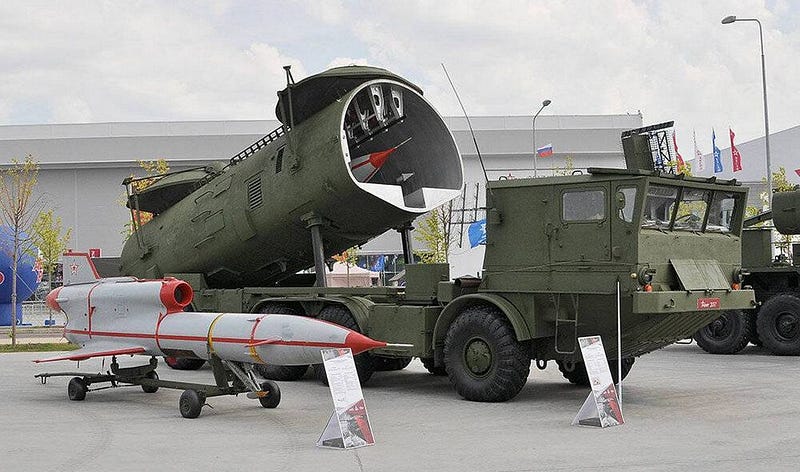
Developed by the Soviet Union in the 1970s for reconnaissance missions, the Tu-141 and Tu-143 were retired from service decades ago, in 1989. The Tu-141 “Strizh” is a medium-range, jet-powered drone designed for detailed reconnaissance, including photographing and electronic intelligence gathering. Measuring approximately 14 meters long with a wingspan of about 4 meters, the Tu-141 can reach speeds of up to 1000 km/h and has a range of around 1000 km. The Tu-143 “Reys” is a shorter-range version used for battlefield reconnaissance, similar in design but smaller at about 8 meters long with a 2.4-meter wingspan. It has a maximum speed of around 950 km/h and a range of about 200 km.
Both drones launch from a truck-mounted catapult and land by parachute. They were used extensively by the Soviet military and later by various countries after the dissolution of the Soviet Union. When Russia first invaded Ukraine in 2014, the Ukrainian military began pulling mothballed Tu-141s and Tu-143s from storage and reconditioning them. At least two were shot down over eastern Ukraine by Russian-backed separatists that year.
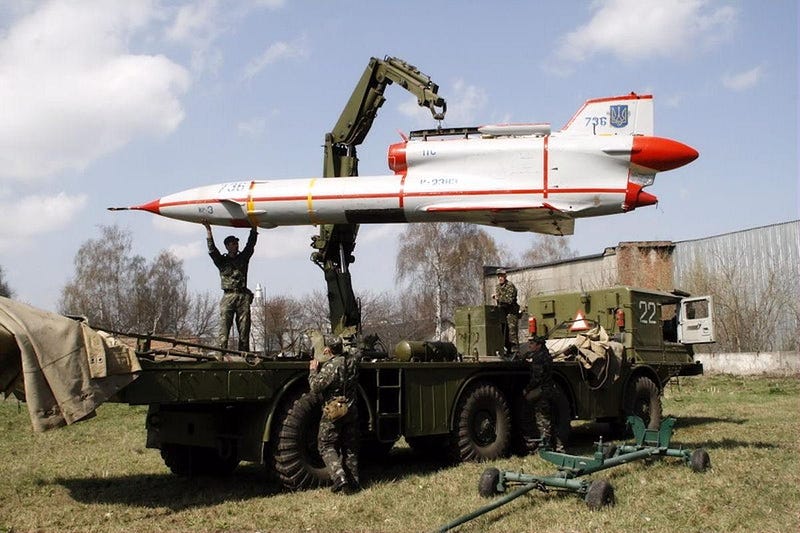
Now, Ukraine appears to be modifying these vintage drones, which weigh up to seven tons and stretch 47 feet long in the case of the Tu-141, to carry hundreds of pounds of explosives in place of cameras. The goal is to launch them on one-way missions deep into Russia to destroy military and infrastructure targets like oil refineries that are normally beyond the reach of Ukraine’s limited air force.
Social media photos from March 2023 seem to show the wreckage of a Tu-143 drone in Russia’s Bryansk Oblast, just north of Ukraine, that was likely used in strikes on nearby Russian infrastructure. While the Ukrainian air force does possess a small number of manned Sukhoi Su-24 bombers firing long-range Storm Shadow and SCALP-EG cruise missiles, these platforms are too few and valuable to risk on extremely dangerous missions hundreds of miles inside Russia. The expendable Tu-141 and Tu-143 drones offer a capable and effective substitute.
With their rugged, simple design, the Tu-141 and Tu-143 are well-suited to these attack missions. They can fly high at up to 6000 m or hug the terrain at treetop level. Built-in inertial navigation systems can guide them to within a few miles of their targets over their exceptional range. After dropping their explosive payload, the drones cut their engines and deploy parachutes to float back down for recovery and potential reuse.
It became clear that Ukraine had converted some of these UAVs into improvised cruise missiles as early as March 2022, when a Tu-141 reportedly carrying a bomb strayed off course and crashed in Croatia. That summer, Ukraine launched at least two Tu-143s at targets near the Russian city of Kursk, about 50 miles from the Ukrainian border, although both were shot down. Then on December 5, 2022, the drones finally found their mark, successfully striking two Russian bomber bases located an audacious 500 km inside Russia.
As of February 2023, at least 14 of these retrofitted Tu-141 and Tu-143 drones had crashed or been shot down while attacking targets in Russia in the first year of the full-scale war. Though Ukraine appeared to expend its last operational Tu-141 in February, the recent strikes in Bryansk in March 2023 prove it still has more in reserve. The total number remaining is unknown, but if any are left, Russia can expect to see further daring attacks on its military facilities and infrastructure in the regions bordering Ukraine.
The fact that Ukraine has been forced to dig up 50-year-old Soviet drones and jerry-rig them with explosives for suicidal bombing runs deep into Russia is a powerful testament to both the desperate, existential nature of the war Ukraine is fighting and the incredible resourcefulness and determination Ukrainians have shown in the face of a much larger, more powerful foe. Outgunned and overmatched in every military metric that matters by the Russian juggernaut, Ukraine’s armed forces and citizens have demonstrated mind-boggling resilience, courage and adaptability as they claw and scrape for any advantage with whatever means they can muster.
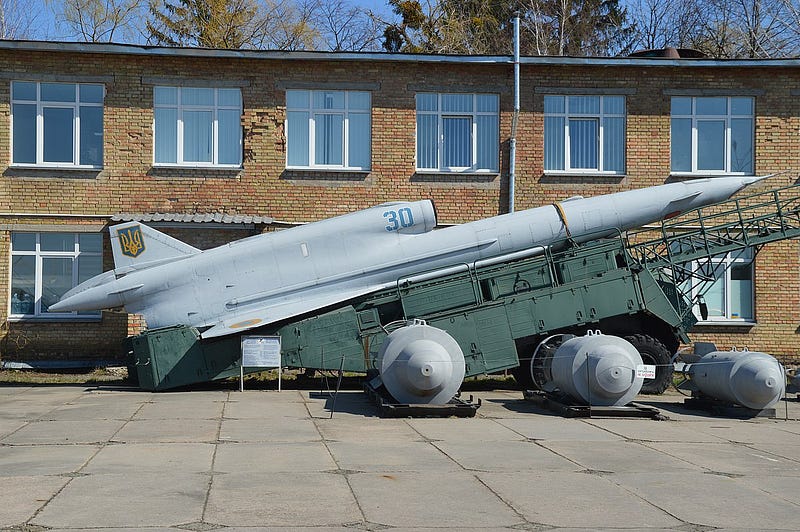
Ukraine’s use of these obsolete Tu-141 and Tu-143 drones to such deadly effect against the nation that originally built them is rich with poetic justice and irony. It perfectly encapsulates how Ukraine has stunned the world by not only surviving Russia’s all-out assault, but repeatedly bloodying the lumbering Russian bear’s nose in the process through grit, heart, ingenuity and sheer force of will. These drones, which once flew with red stars and hammer and sickles proudly emblazoned on their fuselages, have been repainted with the blue and yellow of the Ukrainian flag as they are sent on one last mission in service of Ukraine’s freedom.
Ukraine’s resistance against Russia’s military aggression has captured global attention, illustrating a profound example of resilience and strategic ingenuity. Utilizing Soviet-era drones such as the Tu-141 and Tu-143 highlights Ukraine’s resourcefulness in adapting available technology to modern warfare needs. These drones, originally designed in the 1970s, have been repurposed to serve in contemporary conflict scenarios, underscoring the necessity of innovation in the face of overwhelming challenges. Ukraine’s ability to employ such equipment effectively in its defense underscores not only the enduring value of these older technologies but also the critical importance of supporting Ukraine’s sovereignty and territorial integrity in the face of aggression and attempts to undermine its cultural and national identity.
The world must stand firm and united in providing Ukraine with the modern weapons, ammunition, supplies and financial aid it needs to expel the Russian invaders from every inch of Ukrainian soil. We must ratchet up sanctions and diplomatic pressure on Russia to the maximum extent to starve its war machine while welcoming Ukraine into Western institutions like the EU and NATO. And we must hold Putin and his criminal regime to account for their blatant violations of international law. Only then can the brave Ukrainian people finally live in peace and security, with vintage Soviet drones relegated to museums where they belong, rather than improvised into weapons of last resort.
What are your thoughts on Russia’s invasion of Ukraine and the Ukrainian military’s use of these old Soviet drones? Do you support sending more Western aid to help Ukraine defeat Russian aggression? Have you donated to help Ukrainian refugees and victims of the war? Please share your views and personal experiences in the comments and help spread the word about Ukraine’s courageous fight by sharing this article far and wide. Together, we can ensure that Putin’s barbaric invasion ends in failure and that Ukraine emerges victorious and free.