
The Gathering Storm: How Climate Change Threatens Global Food Security
Extreme Weather Disrupts Food Production
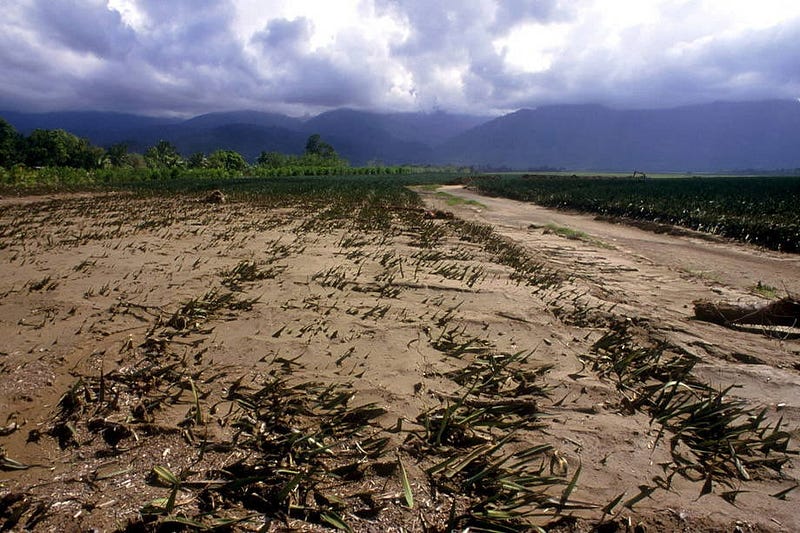
The impacts of climate change on global agriculture are already being felt in the form of more frequent and severe extreme weather events. Droughts, floods, and heatwaves can devastate crop yields and livestock, with devastating consequences for vulnerable farming communities.In countries where temperatures are already extremely high, such as the Sahel belt of Africa or South Asia, rising temperatures could have an immediate effect on heat-sensitive crops like wheat. Without solutions, falling crop yields, especially in the world’s most food-insecure regions, could push an estimated 43 million people in Africa alone into poverty.
Shifting Weather Patterns Reduce Yields
Climate change is also affecting agriculture through broader shifts in temperature and precipitation patterns that disrupt crop growth and yields. Projections indicate that climate change could reduce global food production by up to 30% by 2050 if adaptation measures are not taken.For areas of the world that are already water-constrained, climate change will increasingly cause adverse impacts on agricultural production through diminishing water supplies. This threat is compounded by the degradation of essential natural resources like soil, which is being exacerbated by climate change.
Disproportionate Impacts on the Vulnerable
The impacts of climate change on global food security will be highly uneven, with the world’s poorest and most vulnerable populations bearing the brunt of the crisis. About 80% of the global population most at risk from crop failures and hunger are in Sub-Saharan Africa, South Asia, and Southeast Asia, where farming families are disproportionately poor and have limited capacity to adapt.When food availability is degraded due to changing climate conditions, there is a risk of malnutrition among vulnerable populations who struggle to access nutritious foods. This threatens to exacerbate global inequality and undermine decades of progress in reducing poverty and improving living standards.
The Global Food System’s Role in Climate Change
The global food system itself is a significant contributor to climate change, responsible for about a third of greenhouse gas emissions and the leading source of methane and biodiversity loss. This further exacerbates the environmental pressures on food production, creating a vicious cycle.
A Call for Urgent Action
The threat of climate change to global food security is clear and alarming. Urgent action is required to develop and implement solutions that can help farmers and food systems adapt to the changing climate. This will involve investment in sustainable agricultural practices, crop diversification, improved water management, and the development of climate-resilient crop varieties.The future of global food security hangs in the balance. Addressing the climate crisis and its impacts on agriculture must be a top priority for policymakers, researchers, and the global community as a whole. The stakes could not be higher, as the livelihoods and well-being of millions of people around the world are at risk.