
The Future of Urban Agriculture: Vertical Farming and Rooftop Gardens
Introduction
As the world grapples with increasing urbanization and a growing global population, the traditional methods of food production face numerous challenges. In response to these challenges, a revolutionary trend is emerging — urban agriculture. Among the innovative practices within this movement, vertical farming and rooftop gardens are gaining momentum.
In this article, we explore the future of urban agriculture and how vertical farming and rooftop gardens are transforming the way we grow and consume food in urban environments.
- The Rise of Urban Agriculture: Urban agriculture represents a paradigm shift in food production, bringing cultivation closer to consumers in densely populated urban areas. This movement aims to address issues such as food security, environmental sustainability, and the carbon footprint associated with traditional farming and transportation.
- Vertical Farming: Maximizing Space and Efficiency: Vertical farming involves the cultivation of crops in stacked layers or vertically inclined surfaces. By utilizing unused vertical space, this method maximizes efficiency and significantly reduces the need for expansive agricultural land. Controlled environments with precise climate and light conditions allow for year-round cultivation, independent of external weather patterns.
- Resource Efficiency and Sustainability: Vertical farming is designed to be resource-efficient, using less water and land compared to traditional agriculture. Hydroponic or aeroponic systems enable crops to thrive without soil, while LED lighting systems mimic natural sunlight, optimizing photosynthesis. These resource-efficient practices contribute to sustainability by minimizing water usage and reducing the environmental impact of agriculture.
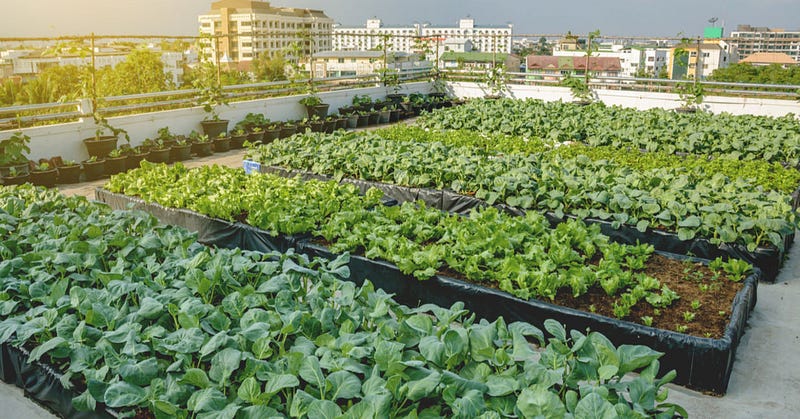
- Rooftop Gardens: Greening Urban Spaces: Rooftop gardens transform unused or underutilized spaces into flourishing oases of greenery. These gardens not only provide a sustainable source of fresh produce but also offer insulation, reducing the energy consumption of buildings. Rooftop gardens contribute to improved air quality, biodiversity, and overall urban aesthetics.
- Community Engagement and Social Benefits: Urban agriculture fosters community engagement by involving residents in the cultivation process. Community gardens and rooftop farming initiatives not only promote a sense of shared responsibility but also provide educational opportunities. Residents become more connected to their food sources, enhancing their understanding of sustainable practices and healthy eating habits.
- Technological Advancements: The future of urban agriculture is intertwined with technological advancements. Automation, artificial intelligence, and smart farming technologies are being integrated into vertical farming systems, enabling precise control over variables such as temperature, humidity, and nutrient levels. These innovations enhance efficiency and contribute to higher yields.
- Challenges and Opportunities: While the future of urban agriculture holds immense promise, there are challenges to overcome. Initial setup costs, energy consumption, and the need for skilled personnel are considerations that must be addressed. However, these challenges present opportunities for investment, research, and development to refine and optimize urban agricultural practices.
Conclusion
The future of urban agriculture, epitomized by vertical farming and rooftop gardens, represents a transformative approach to sustainable food production in urban environments. As these innovative practices continue to evolve, they offer a glimpse into a future where cities are not just hubs of consumption but also vibrant centers of local, eco-friendly, and community-driven agriculture.
With the ongoing integration of technology and a growing awareness of the importance of sustainable food systems, urban agriculture is poised to play a crucial role in shaping the cities of tomorrow.