avatarHasnain A

Free AI web copilot to create summaries, insights and extended knowledge, download it at here

3495

Abstract

novations propelling the wind energy sector.</p><h1 id="6184">C. Hydroelectric Energy</h1><figure id="3425"><img src="https://cdn-images-1.readmedium.com/v2/resize:fit:800/0*rO4uWzTlLuHDcmG6"><figcaption>Photo by <a href="https://unsplash.com/@publicpowerorg?utm_source=medium&amp;utm_medium=referral">American Public Power Association</a> on <a href="https://unsplash.com?utm_source=medium&amp;utm_medium=referral">Unsplash</a></figcaption></figure><p id="1924">Hydroelectric power is generated by the gravitational force of flowing water. Advances in turbine technology, particularly in the field of small-scale hydropower, are expanding the use of this renewable energy source. Innovations in dam design and environmental impact mitigation are making hydropower more sustainable.</p><h1 id="bec7">D. Geothermal Energy</h1><figure id="d261"><img src="https://cdn-images-1.readmedium.com/v2/resize:fit:800/0*I1It0Z_I6WRunKnM"><figcaption>Photo by <a href="https://unsplash.com/@mattpalmer?utm_source=medium&amp;utm_medium=referral">Matt Palmer</a> on <a href="https://unsplash.com?utm_source=medium&amp;utm_medium=referral">Unsplash</a></figcaption></figure><p id="61d2">Geothermal energy taps into the Earth’s internal heat. Enhanced geothermal systems (EGS) and binary cycle power plants are emerging innovations that aim to harness more of this clean and reliable energy source. Geothermal energy is especially promising for heating and cooling applications.</p><h1 id="f869">E. Biomass Energy</h1><figure id="444f"><img src="https://cdn-images-1.readmedium.com/v2/resize:fit:800/0*NllISRozcKtpDLhg"><figcaption>Photo by <a href="https://unsplash.com/@polarmermaid?utm_source=medium&amp;utm_medium=referral">Anne Nygård</a> on <a href="https://unsplash.com?utm_source=medium&amp;utm_medium=referral">Unsplash</a></figcaption></figure><p id="8f6b">Biomass energy is produced from organic materials, such as wood, agricultural residues, and algae. Innovations in bioenergy technologies, including the development of advanced biofuels and algae-based biofuels, are expanding the use of biomass as a sustainable energy source.</p><h1 id="0f77">The Challenges of Transition</h1><h2 id="afdc">A. Energy Storage</h2><p id="b899">One of the key challenges of sustainable energy lies in energy storage. Solar and wind power are intermittent energy sources, making energy storage essential for their effective use. Innovations in battery technology, such as lithium-ion batteries and solid-state batteries, are crucial for storing excess energy and ensuring a consistent power supply.</p><h2 id="d2c6">B. Grid Integration</h2><p id="92e6">Integrating renewable energy into existing power grids presents a technical challenge. The development of smart grids, grid management software, and demand response systems is essential for optimizing the distribution and consumption of sustainable energy.</p><h2 id="44db">C. Policy and Regulation</h2><p id="3056">Policy and regulatory frameworks greatly influence the adoption of sustainable energy. Governments must create incentives, subsidies, and supportive policies to encourage the transition to renewable sources. Additionally, international agreements, like the Paris Agreement, play a critical role in shaping global efforts toward sustainable energy.</p><h2 id="67af">D. Infrastructure and Investment</h2><p id="1e9b">Investing in sustainable energy infrastructure is a formidable challenge. The transition requires substantial financial commitments

Options

to build the necessary facilities and update existing energy infrastructure. Innovations in financing, such as green bonds and impact investing, are driving funding for sustainable energy projects.</p><h2 id="6295">E. Environmental Concerns</h2><p id="fc27">While sustainable energy sources are environmentally friendly, their deployment may still have localized environmental impacts. For example, the construction of hydropower dams can disrupt ecosystems, and wind farms may pose risks to birds and bats. Balancing environmental concerns with the benefits of sustainable energy is a complex challenge.</p><h1 id="42a9">Global Implications</h1><p id="58a2">The transition to sustainable energy carries profound global implications that extend beyond the realm of environmental conservation. These implications encompass various domains:</p><h2 id="e519">A. Climate Change Mitigation</h2><p id="078f">The foremost global implication of sustainable energy is its contribution to climate change mitigation. By reducing the reliance on fossil fuels and curbing greenhouse gas emissions, sustainable energy is a critical component of international efforts to limit global warming and its associated impacts.</p><h2 id="6744">B. Energy Security</h2><p id="8a32">Sustainable energy enhances energy security by diversifying energy sources. This diversification reduces dependency on a finite resource like oil, mitigating the geopolitical tensions associated with energy production and supply.</p><h2 id="68b8">C. Economic Opportunities</h2><p id="f4e6">The renewable energy sector offers economic opportunities through job creation, technology development, and energy export. The growth of sustainable energy contributes to the creation of a green economy that fosters innovation and prosperity.</p><h2 id="a059">D. Energy Access</h2><p id="412d">Sustainable energy can expand energy access to underserved regions, providing electricity to communities that were previously without power. Solar microgrids, for instance, offer a decentralized and reliable source of energy for remote areas.</p><h2 id="8448">E. Global Cooperation</h2><p id="0ec5">The global implications of sustainable energy underscore the importance of international cooperation. Countries must work together to address shared energy and environmental challenges. Initiatives such as joint research programs, technology sharing, and collaborative climate agreements are instrumental in advancing global sustainability.</p><h1 id="ede1">Conclusion</h1><ul><li>The future of sustainable energy is both an urgent necessity and a beacon of hope. As we transition from fossil fuels to renewable sources, we embark on a journey of innovation, challenge, and global consequence. Innovations in solar, wind, hydro, geothermal, and biomass energy are reshaping the energy landscape, offering cleaner and more sustainable alternatives.</li><li>The challenges of energy storage, grid integration, policy, infrastructure, and environmental concerns must be met with determination and creativity. Overcoming these challenges is essential to realizing the full potential of sustainable energy.</li><li>The global implications of sustainable energy are far-reaching, from mitigating climate change to fostering economic growth and enhancing energy security. The transition to sustainable energy is a shared endeavor that calls for international collaboration and a commitment to a more sustainable and prosperous future.</li></ul></article></body>

Photo by Karsten Würth on Unsplash

The Future of Sustainable Energy

Innovations, Challenges, and Global Implications

The 21st century has brought us to a critical juncture in human history. As the world grapples with the urgent need to address climate change, sustainable energy has emerged as a central pillar of our response. The future of energy lies in transitioning from fossil fuels to renewable sources, with the goal of reducing greenhouse gas emissions, ensuring energy security, and fostering economic growth. In this essay, we embark on a journey through the innovations, challenges, and the profound global implications of the transition to sustainable energy.

Sustainable energy, often interchangeably referred to as renewable energy, is derived from sources that are naturally replenished and have a minimal environmental impact. These sources include solar, wind, hydro, geothermal, and biomass energy. The transition to sustainable energy is driven by the recognition that our current reliance on fossil fuels is unsustainable due to their finite nature and their contribution to global warming. The future of energy lies in harnessing the power of nature while minimizing our carbon footprint.

Innovations in Sustainable Energy

Photo by Federico Beccari on Unsplash

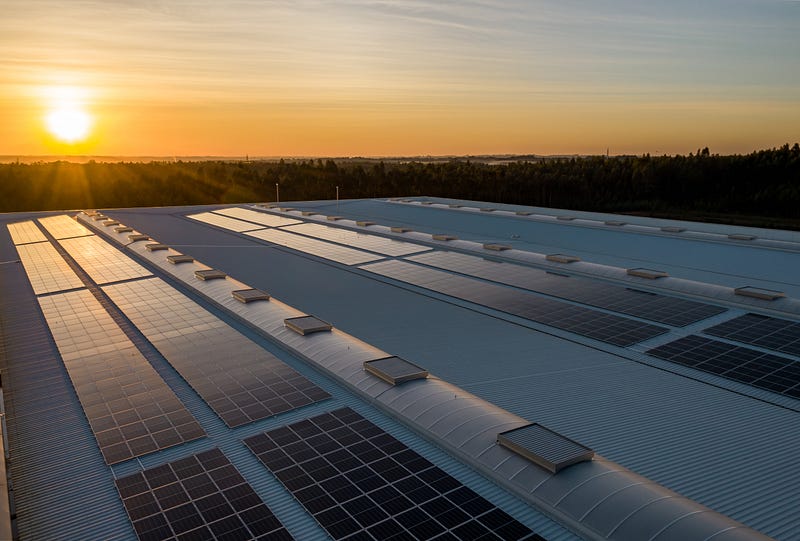
A. Solar Energy

Photo by Nuno Marques on Unsplash

Solar energy, harvested from the sun’s rays, stands as a bright beacon in the world of renewable energy. Innovations in solar technology have transformed the efficiency and affordability of solar panels, making them more accessible to consumers and businesses. Photovoltaic cells, thin-film solar panels, and solar tracking systems are among the innovations driving the growth of solar energy.

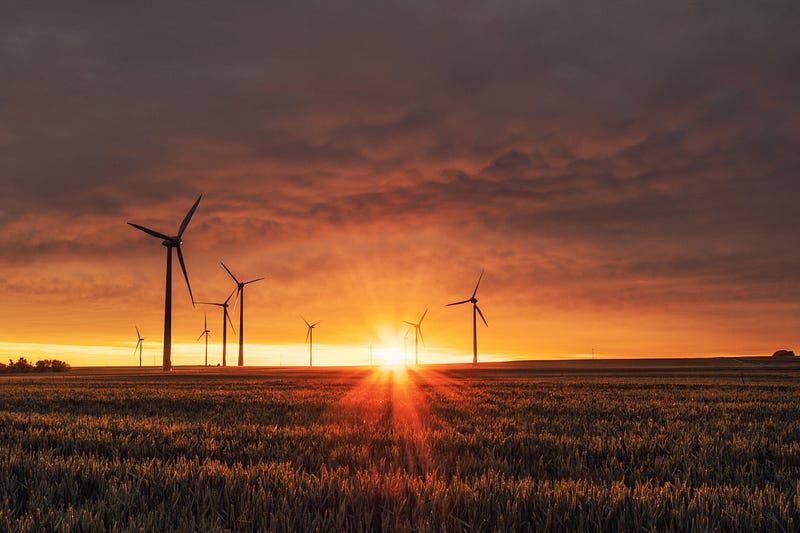
B. Wind Energy

Photo by Sander Weeteling on Unsplash

Wind energy is harnessed through the power of the wind’s kinetic energy. The development of more efficient and reliable wind turbines has made wind energy a cornerstone of sustainable energy production. Offshore wind farms, vertical-axis wind turbines, and improved turbine design are some of the innovations propelling the wind energy sector.

C. Hydroelectric Energy
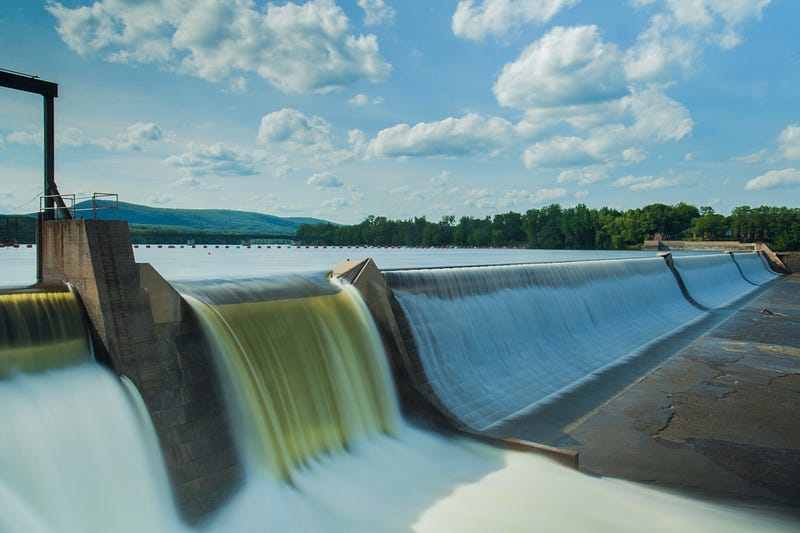
Photo by American Public Power Association on Unsplash

Hydroelectric power is generated by the gravitational force of flowing water. Advances in turbine technology, particularly in the field of small-scale hydropower, are expanding the use of this renewable energy source. Innovations in dam design and environmental impact mitigation are making hydropower more sustainable.

D. Geothermal Energy

Photo by Matt Palmer on Unsplash

Geothermal energy taps into the Earth’s internal heat. Enhanced geothermal systems (EGS) and binary cycle power plants are emerging innovations that aim to harness more of this clean and reliable energy source. Geothermal energy is especially promising for heating and cooling applications.

E. Biomass Energy

Photo by Anne Nygård on Unsplash

Biomass energy is produced from organic materials, such as wood, agricultural residues, and algae. Innovations in bioenergy technologies, including the development of advanced biofuels and algae-based biofuels, are expanding the use of biomass as a sustainable energy source.

The Challenges of Transition

A. Energy Storage

One of the key challenges of sustainable energy lies in energy storage. Solar and wind power are intermittent energy sources, making energy storage essential for their effective use. Innovations in battery technology, such as lithium-ion batteries and solid-state batteries, are crucial for storing excess energy and ensuring a consistent power supply.

B. Grid Integration

Integrating renewable energy into existing power grids presents a technical challenge. The development of smart grids, grid management software, and demand response systems is essential for optimizing the distribution and consumption of sustainable energy.

C. Policy and Regulation

Policy and regulatory frameworks greatly influence the adoption of sustainable energy. Governments must create incentives, subsidies, and supportive policies to encourage the transition to renewable sources. Additionally, international agreements, like the Paris Agreement, play a critical role in shaping global efforts toward sustainable energy.

D. Infrastructure and Investment

Investing in sustainable energy infrastructure is a formidable challenge. The transition requires substantial financial commitments to build the necessary facilities and update existing energy infrastructure. Innovations in financing, such as green bonds and impact investing, are driving funding for sustainable energy projects.

E. Environmental Concerns

While sustainable energy sources are environmentally friendly, their deployment may still have localized environmental impacts. For example, the construction of hydropower dams can disrupt ecosystems, and wind farms may pose risks to birds and bats. Balancing environmental concerns with the benefits of sustainable energy is a complex challenge.

Global Implications

The transition to sustainable energy carries profound global implications that extend beyond the realm of environmental conservation. These implications encompass various domains:

A. Climate Change Mitigation

The foremost global implication of sustainable energy is its contribution to climate change mitigation. By reducing the reliance on fossil fuels and curbing greenhouse gas emissions, sustainable energy is a critical component of international efforts to limit global warming and its associated impacts.

B. Energy Security

Sustainable energy enhances energy security by diversifying energy sources. This diversification reduces dependency on a finite resource like oil, mitigating the geopolitical tensions associated with energy production and supply.

C. Economic Opportunities

The renewable energy sector offers economic opportunities through job creation, technology development, and energy export. The growth of sustainable energy contributes to the creation of a green economy that fosters innovation and prosperity.

D. Energy Access

Sustainable energy can expand energy access to underserved regions, providing electricity to communities that were previously without power. Solar microgrids, for instance, offer a decentralized and reliable source of energy for remote areas.

E. Global Cooperation

The global implications of sustainable energy underscore the importance of international cooperation. Countries must work together to address shared energy and environmental challenges. Initiatives such as joint research programs, technology sharing, and collaborative climate agreements are instrumental in advancing global sustainability.

Conclusion

  • The future of sustainable energy is both an urgent necessity and a beacon of hope. As we transition from fossil fuels to renewable sources, we embark on a journey of innovation, challenge, and global consequence. Innovations in solar, wind, hydro, geothermal, and biomass energy are reshaping the energy landscape, offering cleaner and more sustainable alternatives.
  • The challenges of energy storage, grid integration, policy, infrastructure, and environmental concerns must be met with determination and creativity. Overcoming these challenges is essential to realizing the full potential of sustainable energy.
  • The global implications of sustainable energy are far-reaching, from mitigating climate change to fostering economic growth and enhancing energy security. The transition to sustainable energy is a shared endeavor that calls for international collaboration and a commitment to a more sustainable and prosperous future.
Sustainability
Renewable Energy
Medium
Writing
Information Technology
Recommended from ReadMedium