The Future of Robotics: Unveiling the Next Era of Human-Robot Collaboration
“Embracing a New Partnership: How Robotics Will Transform Our Lives, Work, and Future”
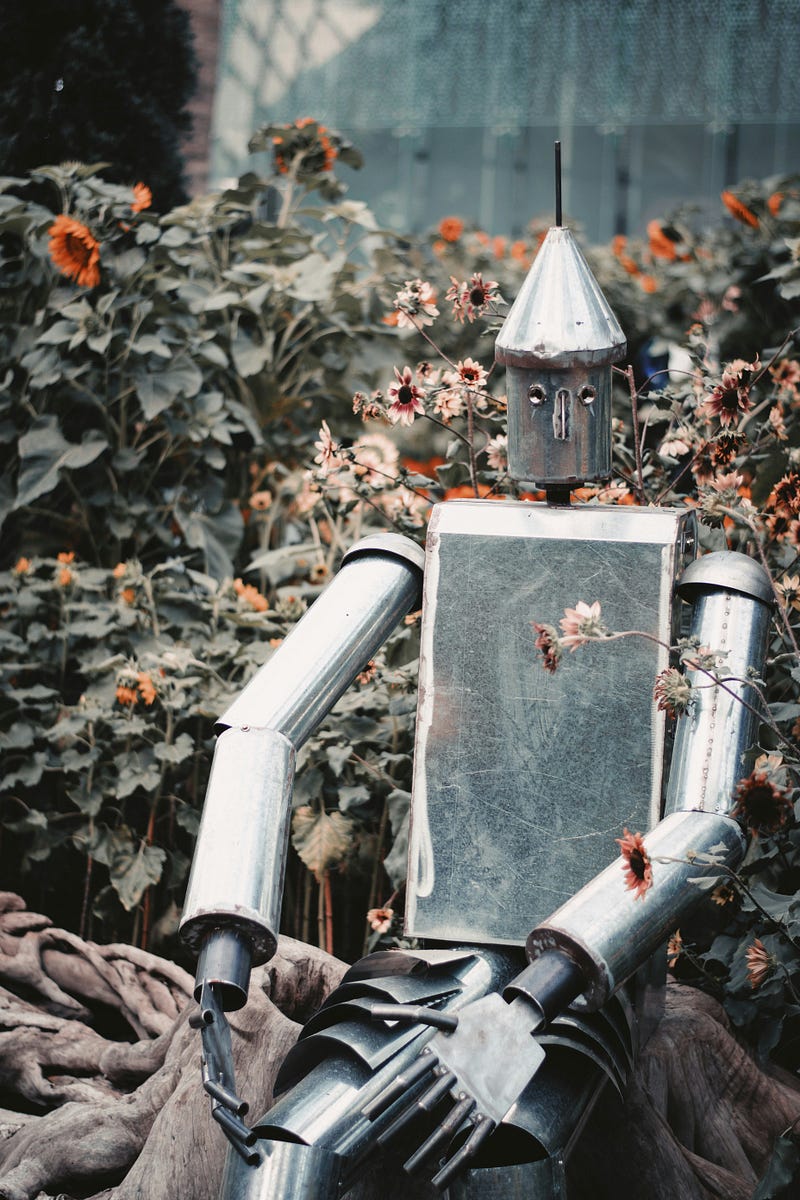
In an age where technology leaps are as common as the rising sun, robotics stands out as a beacon of progress, transformation, and infinite possibilities. As we edge closer to 2024, the robotics horizon is brimming with potential, promising not just evolutionary strides in technology but a new paradigm of human-machine interaction. This article embarks on an explorative journey into the future of robotics, dissecting anticipated advancements, the myriad challenges they pose, and the seismic impact they could have on various facets of human life.
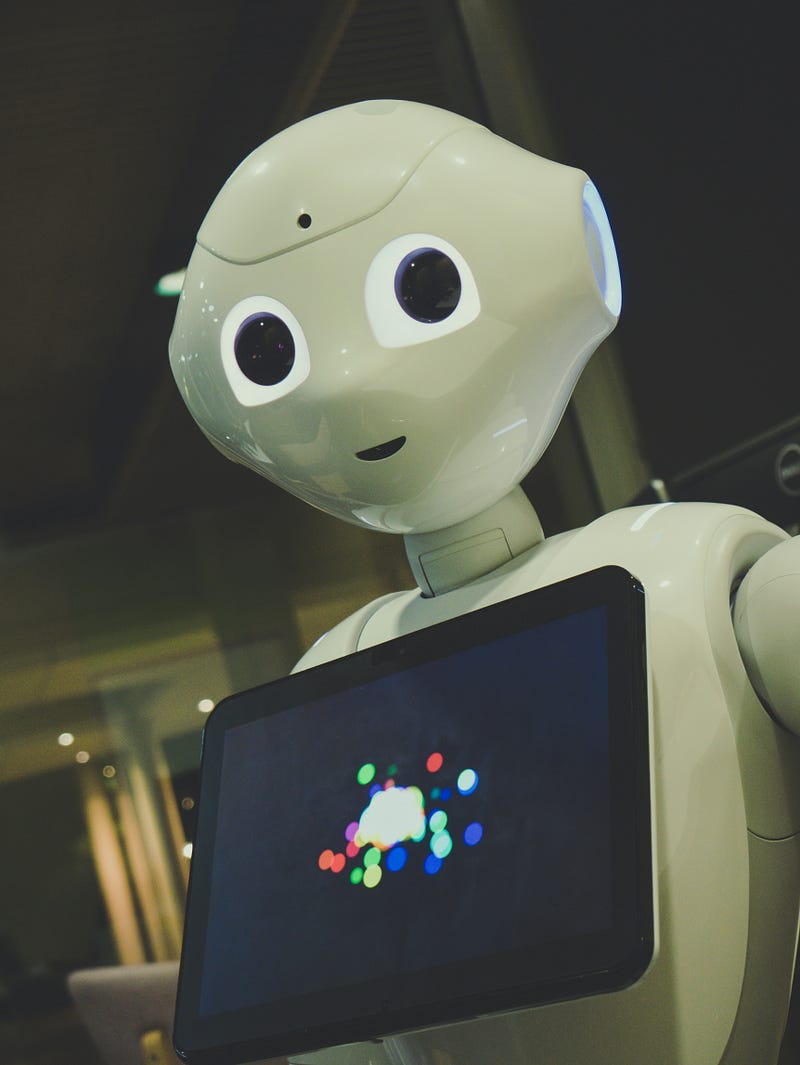
The Human Touch in Robotics Evolution:
The evolution of robotics has been nothing short of phenomenal. From the rudimentary automatons of the past to today’s AI-driven, empathetic machines, robots have transcended their traditional roles. As we anticipate the future, we envision robots with enhanced cognitive and emotional intelligence, capable of understanding and reacting to human nuances in a more refined and meaningful manner.
Anticipated Advancements in Robotics:
- Cognitive Autonomy: Future robots are poised to exhibit unprecedented levels of autonomy, powered by sophisticated AI algorithms. This cognitive leap would enable them to make informed decisions, adapt to dynamic environments, and learn from interactions, thereby augmenting their utility across diverse domains.
- Material Innovation: The confluence of robotics with advanced materials science promises the emergence of robots with improved resilience, flexibility, and adaptability. Imagine robots with self-healing skins or adaptable forms, revolutionizing their application in challenging or hazardous environments.
- Human-Robot Symbiosis: The future heralds an era of deeper, more intuitive collaboration between humans and robots, facilitated by advancements in interface technologies and communication protocols. This symbiosis could redefine teamwork, creativity, and companionship.

Diverse Sectors Poised for Transformation:
- Healthcare: The integration of robotics in healthcare could usher in a new era of precision medicine, with robots assisting in complex surgeries, patient rehabilitation, and elderly care. Beyond physical health, robotic interventions could offer innovative solutions for mental health, providing therapy and support through empathetic interaction.
- Environmental Stewardship: Robotics technology could become a linchpin in our efforts to protect and preserve the environment. From monitoring ecosystems and combatting pollution to aiding in disaster response, robots could play crucial roles in safeguarding our planet.
- Education and Learning: The educational landscape could be significantly enriched by robotics, offering personalized learning experiences, interactive teaching aids, and access to quality education in remote areas. Robots could also foster a deeper understanding and curiosity about technology among students, preparing them for a future where such knowledge is indispensable.
Challenges and Ethical Considerations:
As we navigate this promising future, it’s imperative to address the multifaceted challenges and ethical dilemmas that accompany the rise of advanced robotics. These include:
- Privacy and Data Security: As robots become more integrated into our personal and professional lives, ensuring the privacy and security of the data they collect and process is paramount. Robust cybersecurity measures and ethical data practices must be foundational to the development and deployment of future robots.
- Employment and Societal Impact: The automation potential of advanced robotics could significantly disrupt labor markets, necessitating thoughtful strategies to mitigate unemployment risks and ensure equitable economic transitions. Moreover, fostering societal acceptance and addressing fears related to automation will be crucial in realizing the positive potential of robotics.
- Legal and Accountability Frameworks: As robots assume more autonomous roles, establishing clear legal and accountability frameworks will be essential in addressing liability in cases of malfunction or unintended consequences. These frameworks must evolve in tandem with technological advancements, ensuring they remain relevant and effective.
A Human-Centric Future:
In envisioning the future of robotics, we must anchor our aspirations in a human-centric philosophy, prioritizing the enhancement of human capabilities, the augmentation of our experiences, and the alignment with our societal values. By fostering a future where technology serves humanity, we can harness the immense potential of robotics to create a more inclusive, prosperous, and sustainable world.
Conclusion:
The journey into the future of robotics is one of co-creation, where human ingenuity, ethical foresight, and technological innovation converge. It invites us to imagine, to innovate, and to invest in a future where robots are not just tools but partners in our quest for a better world. As we stand on the cusp of this exciting future, let us embrace the possibilities, navigate the challenges, and shape a legacy of progress that will resonate for generations to come.