
The Future of Node.js Development: Will a Split from NPM Change Everything?
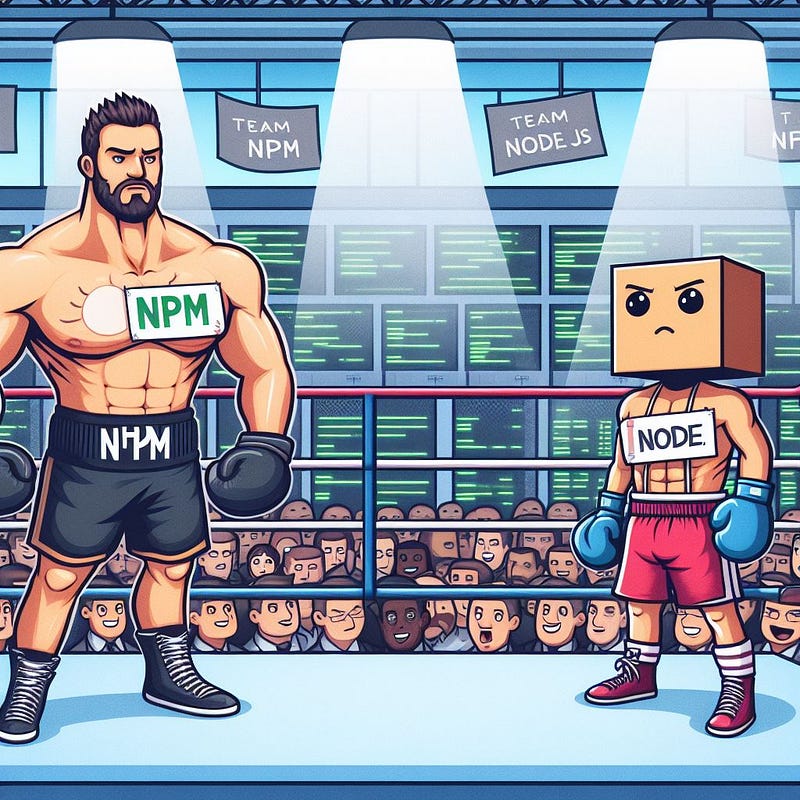
Node.js, a popular runtime environment for executing JavaScript code, has long relied on NPM (Node Package Manager) as its default package manager. However, a recent debate within the Node.js Technical Steering Committee (TSC) has sparked a conversation about the future of package management in the Node.js ecosystem. This article will delve into the key arguments surrounding this debate and explore the potential implications of a possible separation between Node.js and NPM.
The Corpac Integration Debate
The focal point of the Node.js TSC debate revolves around the potential integration of Corpac, a package manager integration tool, into the Node.js framework. Proponents argue that enabling Corpac by default would level the playing field for alternative package managers, providing developers with more choices. On the other hand, opponents express concerns about the potential complexities and security risks that may arise from such an integration.
The Case for Corpac Integration
Advocates for Corpac integration believe that by embracing alternative package managers, Node.js would foster a more diverse and competitive ecosystem. This would not only encourage innovation but also empower developers to choose the tools that best fit their specific needs. Supporters argue that the current dominance of NPM limits the ability of other package managers to thrive, stifling healthy competition.
To illustrate this point, one supporter of Corpac integration stated, “Having multiple package managers within the Node.js ecosystem would create a more dynamic environment, fostering healthy competition and driving innovation. Developers would be able to choose the package manager that aligns best with their workflows and requirements.”
The Concerns and Potential Ramifications
Opponents of Corpac integration express concerns regarding the potential complexities and security risks that may arise from supporting multiple package managers by default. They argue that maintaining compatibility and ensuring the security of various package manager integrations would require substantial effort and resources from the Node.js community.
One opponent of Corpac integration warned, “Enabling Corpac by default could introduce additional complexity into the Node.js ecosystem. Maintaining compatibility with multiple package managers can be challenging, and it may lead to fragmentation and compatibility issues among packages. Security vulnerabilities could also be exacerbated if package managers are not properly vetted and maintained.”
Balancing Choice and Simplicity
The debate surrounding Corpac integration highlights the delicate balance between providing developers with choice and maintaining a simple and cohesive development experience within the Node.js ecosystem. While choice is generally seen as a positive aspect, too many options can lead to fragmentation and confusion.
The Importance of NPM
NPM, as the default package manager for Node.js, has played a pivotal role in the growth and success of the ecosystem. It boasts an extensive library of packages and enjoys widespread adoption among developers. Removing NPM as the default package manager could have significant implications for the Node.js community.
One Node.js developer emphasized the significance of NPM, stating, “NPM has become synonymous with Node.js. It has a vast collection of packages and a strong community backing it. It would be challenging to replicate the same level of success and adoption with a new default package manager.”
The Role of Alternative Package Managers
While NPM’s dominance is undeniable, some argue that alternative package managers should be given a chance to thrive within the Node.js ecosystem. These package managers offer unique features and advantages that may resonate with specific developer communities. However, ensuring seamless integration and compatibility among these package managers could prove to be a complex endeavor.
A strong advocate for alternative package managers stated, “Package managers like Yarn and Pnpm have gained popularity due to their improved performance and offline caching capabilities. These features can greatly benefit developers, especially in scenarios where internet connectivity is limited. It’s important to explore ways to accommodate these alternative package managers without compromising the overall development experience.”
Potential Solutions
The Node.js TSC is actively exploring various potential solutions to address the concerns raised during the Corpac integration debate. These solutions aim to strike a balance between providing developers with choice and maintaining the simplicity of the Node.js ecosystem.
Option 1: Enabling Corpac by Default
One potential solution is to enable Corpac by default in Node.js. This would allow developers to easily switch between different package managers and embrace the advantages offered by each. However, this approach would require careful consideration of compatibility, security, and community support.
Option 2: Enhanced Integration Support
Another approach is to focus on enhancing the integration support for alternative package managers within the Node.js ecosystem. This would involve providing clear guidelines and tools to ensure seamless compatibility and streamline the development experience for developers who choose to use alternative package managers.
Option 3: Maintaining the Status Quo
Alternatively, the Node.js TSC may choose to maintain the status quo, keeping NPM as the default package manager for Node.js. This would provide stability and continuity to the ecosystem while still allowing developers to explore alternative package managers if they wish to do so.
Conclusion
The ongoing debate within the Node.js TSC regarding the potential separation of Node.js and NPM has sparked important conversations about the future of package management in the Node.js ecosystem. Balancing choice and simplicity is a complex challenge, and the decision made by the TSC will shape the development experience for Node.js developers.
As the Node.js community continues to evolve, it is crucial to consider the diverse needs and preferences of developers while maintaining the stability and reliability that have made Node.js so popular. Ultimately, the goal is to foster a vibrant ecosystem that encourages innovation, supports healthy competition, and empowers developers to create exceptional applications.
Stackademic 🎓
Thank you for reading until the end. Before you go:
- Please consider clapping and following the writer! 👏
- Follow us X | LinkedIn | YouTube | Discord
- Visit our other platforms: In Plain English | CoFeed | Venture | Cubed
- More content at Stackademic.com