
The Future of Healthcare: Telehealth, AI Diagnosis, and Digital Health Records
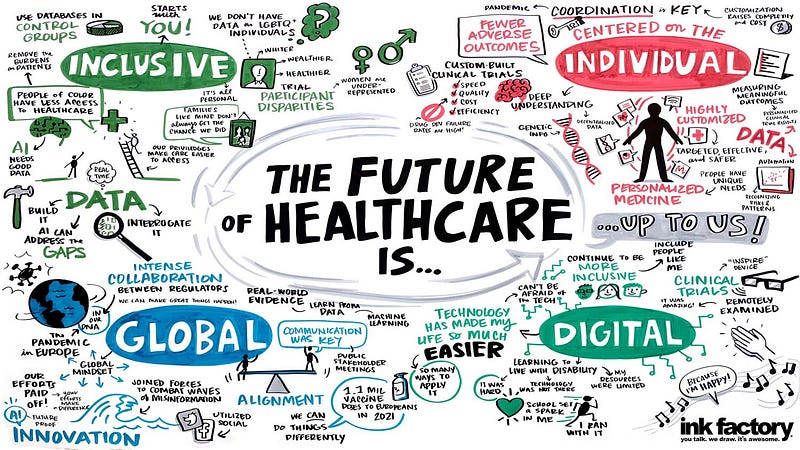
Healthcare, one of the most critical aspects of our lives, is rapidly evolving, thanks to technological advancements. Telehealth, AI diagnosis, and digital health records are shaping the future of healthcare delivery.
In this article, we explore these transformative changes and provide suggestions for jobseekers looking to navigate the dynamic healthcare industry.
Telehealth: A Revolution in Healthcare Delivery
Telehealth, the practice of providing healthcare remotely via telecommunications technology, has gained unprecedented momentum:
1. Accessibility: Telehealth extends healthcare access to underserved areas, reducing geographical barriers to care.
2. Convenience: Patients can consult healthcare professionals from the comfort of their homes, improving access to routine care and specialist consultations.
3. Cost-Effective: Telehealth often reduces healthcare costs for both providers and patients by minimizing travel expenses.
Suggestions for Jobseekers:
2. Digital Literacy: Enhance your digital literacy skills, as proficiency with telehealth platforms and electronic health records (EHRs) is becoming increasingly important.
AI Diagnosis: A Leap Forward in Medical Accuracy
Artificial Intelligence (AI) is revolutionizing healthcare diagnostics:
1. Early Detection: AI-powered algorithms can detect diseases and conditions in their early stages, improving treatment outcomes.
2. Speed and Precision: AI systems analyze medical images and data with incredible speed and precision, reducing diagnostic errors.
3. Personalized Treatment: AI can analyze patient data to tailor treatment plans for individual needs.
Suggestions for Jobseekers:
1. Healthcare Data Analysis: Pursue careers in healthcare data analysis or informatics, as these roles will be in high demand as AI continues to shape healthcare.
Digital Health Records: Streamlining Patient Information
Digital Health Records (DHRs) are replacing traditional paper records, streamlining patient information management:
1. Efficiency: DHRs improve record accuracy, reduce paperwork, and enable quick information retrieval.
2. Interoperability: Digital records can be accessed securely by authorized healthcare providers, enhancing continuity of care.
3. Patient Engagement: Patients can access their records, facilitating active involvement in their healthcare.
Suggestions for Jobseekers:
1. Health Informatics: Consider roles in health informatics to help healthcare organizations implement and manage digital health records effectively.
3. Please reach out to me over on LinkedIn with help in landing your new career faster.
The future of healthcare is a dynamic landscape driven by telehealth, AI diagnosis, and digital health records.
Jobseekers can position themselves for success in this evolving industry by embracing these changes and developing skills that align with the healthcare technology trends of tomorrow.
Whether you aspire to work directly in patient care or behind the scenes in healthcare technology, the opportunities to contribute to this transformative era in healthcare are abundant.
Stay informed, adapt to technological shifts, and consider specialized training to make your mark in the future of healthcare.