
The Future of Fitness: 3 Trends That Will Change the Way You Exercise
How to stay fit and have fun with the latest tech innovations
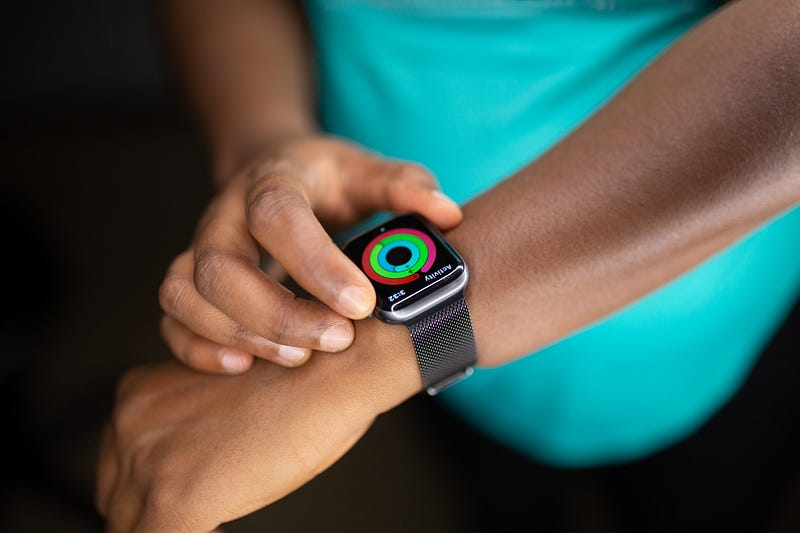
The fitness industry is constantly evolving and adapting to the changing needs and preferences of consumers. Whether you want to stay healthy, lose weight, improve your performance, or just have fun, there is a fitness option for you. But with so many choices available, how do you know what’s best for you and your goals? How do you keep up with the latest trends and innovations that will shape your workouts?
In this article, we’ll explore the top 3 fitness trends that will transform the way you exercise. These trends are based on expert predictions, consumer surveys, and industry data. They reflect the current and future demands of fitness enthusiasts around the world. They also offer some exciting and effective ways to make your workouts more enjoyable and rewarding.
Some of these trends may be familiar to you, while others may be new or surprising. But they all have one thing in common: they aim to help you achieve your fitness goals and live an active lifestyle. Whether you’re looking for a new challenge, a different experience, or a personalized solution, these trends will have something for you.
Trend 1: Virtual Reality Workouts
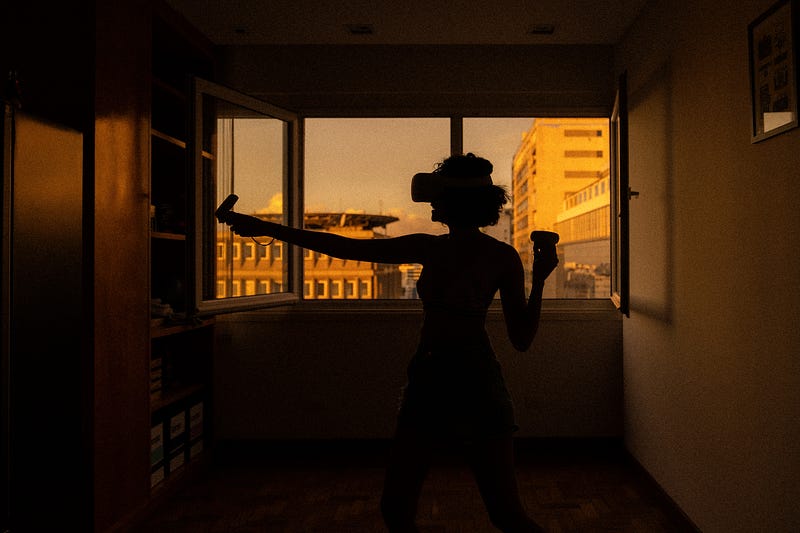
Virtual reality workouts are one of the most exciting and innovative fitness trends of 2023. They use high-tech headsets and devices that create immersive and realistic environments and scenarios for users to exercise in. For example, you can slash music notes in Beat Saber, climb mountains in The Climb, or travel to exotic locations in Supernatural.
One of the main advantages of VR workouts is that they make exercise more fun and engaging. They provide variety and customization, allowing users to choose their own difficulty level, music, and scenery. They also gamify fitness, using points, badges, leader boards, and rewards to motivate and challenge users.
Another benefit of VR workouts is that they make exercise more accessible and convenient. They allow users to work out anywhere and anytime, without needing a lot of space or equipment. They also cater to people with disabilities or mobility issues, who may find traditional forms of exercise difficult or impossible.
However, VR workouts also have some challenges and limitations. One of them is the cost and availability of VR devices and apps. Some of them can be quite expensive or require a subscription fee. They may also not be compatible with all VR headsets or platforms.
Another challenge is the safety and technical issues that may arise from using VR devices. Users may experience motion sickness, eye strain, headaches, or dizziness from prolonged VR exposure. They may also encounter glitches, bugs, or malfunctions that disrupt their workouts or damage their devices.
To overcome these challenges or choose the best VR option for your needs and preferences, here are some tips:
- Do some research before buying a VR device or app. Compare the features, prices, reviews, and compatibility of different options. Look for reputable brands and reliable sources.
- Start slowly and gradually increase your VR exposure. Take breaks every 15 to 20 minutes to rest your eyes and body. Adjust the settings to suit your comfort level. If you feel any discomfort or nausea, stop immediately and consult a doctor if necessary.
- Follow the instructions and safety guidelines of your VR device or app. Wear the headset properly and securely. Make sure you have enough space and clear any obstacles around you. Avoid using VR devices while driving, operating machinery, or under the influence of alcohol or drugs.
Trend 2: Mobility Training
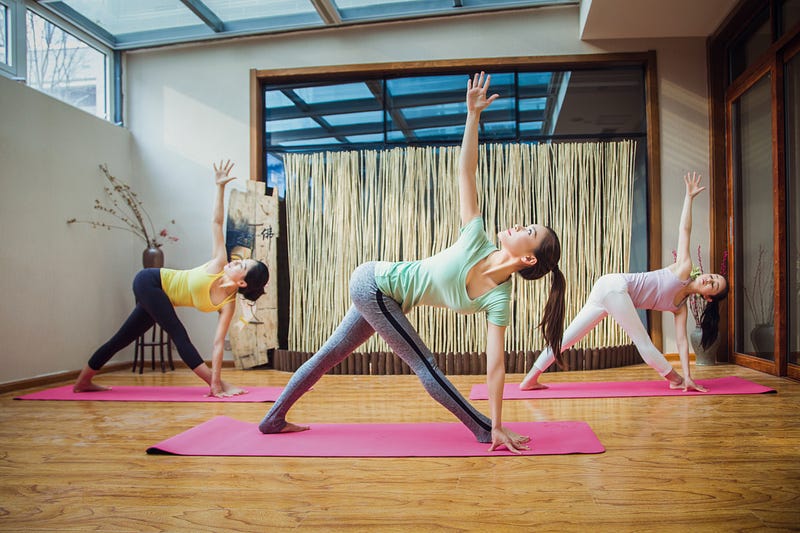
Mobility training is another fitness trend that will gain more popularity and importance in 2023. Mobility training is working to improve your ability to safely move a muscle or muscle group through a range of motion within a joint. It’s different from flexibility, which is your connective tissues’ ability to temporarily lengthen. Mobility training helps you improve your functional movement, prevent injuries, reduce pain, and enhance your performance.
Mobility training has many benefits for your health and fitness. It can help you improve your posture, alignment, and balance. It can also help you increase your range of motion, which allows you to perform exercises more effectively and efficiently. It can also help you prevent or recover from common injuries, such as lower back pain, knee pain, or shoulder impingement.
Mobility training is not only for athletes or older adults. It’s for anyone who wants to move better and feel better. However, there are some myths or misconceptions about mobility training that may prevent people from trying it or doing it correctly. Some of these myths are that mobility training is too easy or boring, that it’s only for warm-ups or cool-downs, or that it’s unnecessary if you’re already flexible.
To debunk these myths and incorporate mobility training into your routine, here are some tips:
- Do mobility exercises regularly and consistently. Aim for at least 10 to 15 minutes of mobility training every day, or at least three times a week. You can do it before or after your workouts, or as a separate session.
- Choose mobility exercises that target your specific needs and goals. Focus on the areas that are tight, stiff, or painful, or that limit your movement quality or performance. For example, if you have tight hips or ankles, do some dynamic stretches, foam rolling, yoga, or pilates.
- Make mobility training fun and enjoyable. You can use different tools and props, such as bands, balls, rollers, or sliders. You can also mix up your exercises and try new ones. You can also listen to music, podcasts, or audiobooks while doing mobility training.
Trend 3: Gamified Fitness
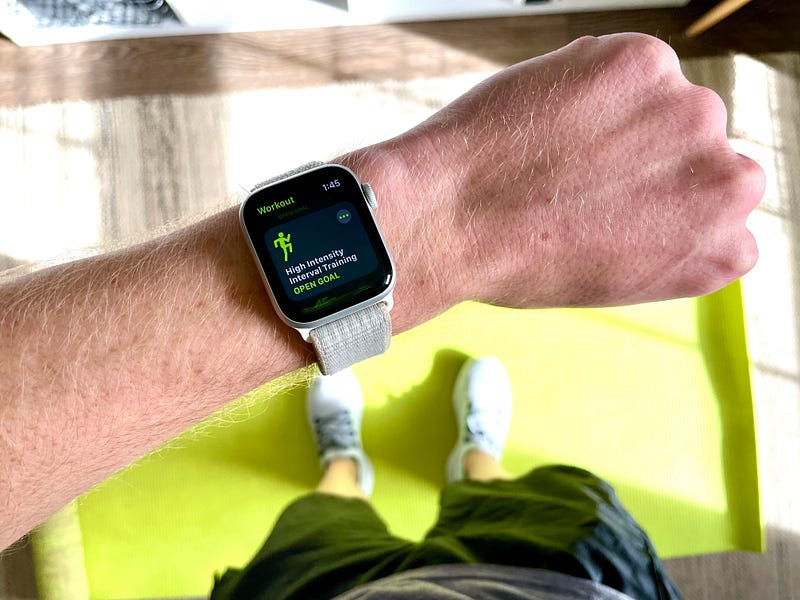
Gamified fitness is another fitness trend that will continue to grow and evolve in 2023. Gamified fitness uses video game-like elements like points, badges, leader boards, and rewards to motivate and engage users. It also uses social interaction and competition to create a sense of community and fun. Some examples of gamified fitness apps and platforms are Zwift, Peloton, Strava, Fitbit Adventures, etc.
One of the benefits of gamified fitness is that it makes exercise more fun and rewarding. You can enjoy different types of workouts, such as cycling, running, walking, or dancing. You can also earn achievements, unlock new features, or win prizes. You can also see your progress and performance in real time or over time.
Another benefit of gamified fitness is that it provides social interaction and competition. You can join or create groups, clubs, or challenges with other users. You can also chat, share, or compare your results with others. You can also get feedback and guidance from coaches or experts.
However, gamified fitness also has some drawbacks or challenges. One of them is that it can be too addictive or distracting. You may spend too much time or money on gamified fitness apps or devices. You may also neglect other aspects of your life or health.
Another challenge is that it can cause overtraining or burnout. You may push yourself too hard or too often to keep up with your goals or peers. You may also ignore your body’s signals or needs. You may also lose interest or motivation if you rely too much on external rewards.
To balance gamified fitness with other forms of exercise and wellness activities, here are some tips:
- Set realistic and attainable goals for yourself. Don’t compare yourself to others or try to do too much too soon. Celebrate your achievements and learn from your failures.
- Vary your workouts and activities. Try different types of gamified fitness apps or platforms. Mix them with other non-gamified forms of exercise, such as yoga, meditation, or stretching.
- Listen to your body and mind. Take rest days and recovery periods. Pay attention to your physical and mental health. Seek professional help if you experience any signs of addiction, injury, or burnout.
We have seen how virtual reality workouts can provide immersive and realistic fitness experiences that are fun and engaging. We have also seen how mobility training can improve your functional movement, prevent injuries, reduce pain, and enhance your performance. We have also seen how gamified fitness can make exercise more fun and rewarding, providing social interaction and competition. These trends are not only important for your health and fitness, but also for your happiness and well-being. Staying updated on the latest fitness trends and trying new things can help you keep your workouts fresh and exciting. It can also help you achieve your fitness goals and live an active lifestyle.
We hope you have enjoyed this article and learned something new. If you have any questions or comments, please feel free to share them with us. You can also check out our other articles or resources on fitness and wellness. Thank you for reading and happy exercising!
Are you tired of scrolling through endless clickbait articles and ads on other platforms? With a Medium membership, you’ll have access to high-quality, ad-free content from top writers and publications. Indulge in the pleasure of reading while supporting the creative work of writers, and take your reading experience to the next level. Sign up now to join the community of readers and writers on Medium.


