The Future of EV Batteries: Toyota and Schaeffler’s Race for Solid-State Innovation
Toyota’s commitment to developing a solid-state battery has long been a topic of anticipation in the electric vehicle (EV) industry. These batteries promise to significantly extend the driving range of EVs, potentially reaching 900 miles on a single charge. However, the journey towards this innovation is fraught with challenges and uncertainties.
Schaeffler Enters the Fray
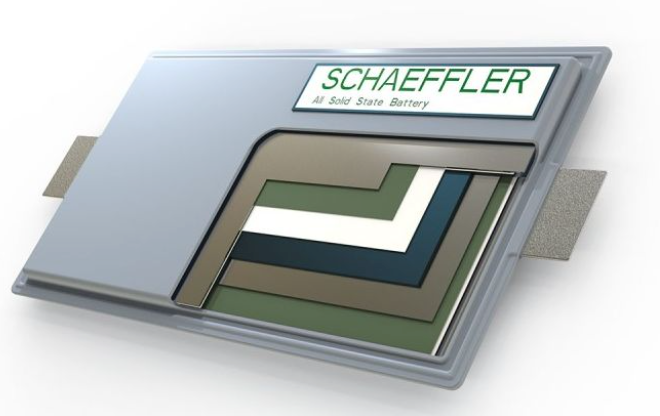
In an interesting twist, Schaeffler, a renowned automotive and industrial supplier, has entered the solid-state battery race. Known for its expertise in bearings, transmissions, and e-mobility solutions, Schaeffler plans to reveal its own version of the solid-state battery this year, boasting advancements in energy density, safety, and cost.
The Special Edge of Schaeffler’s Battery
Schaeffler’s foray into this arena is significant, especially given its status as a non-automaker. The company’s announcement has piqued interest across the automotive sector, with many eager to see how its solid-state battery will compare to traditional lithium-ion ones.
The Global Push for EV Adoption
As the EV market continues to grow, with countries like Germany seeing a surge in battery-electric drive sales, the issue of ‘range anxiety’ remains a significant barrier. This is where Schaeffler aims to make a difference, addressing the concerns of EV and hybrid drivers regarding battery range, particularly under conditions that strain battery life, like cold weather.
Upcoming Reveal at CES
Schaeffler’s solid-state battery is set to be unveiled at the Consumer Electronics Show (CES) in 2024. Little is known about the specifics of this technology, but its partnership with Honda and The Ohio State University for a new battery research center suggests a serious commitment to advancing this technology.
A History of Collaboration
The Ohio State University and Honda have a longstanding relationship in battery research, dating back to 1988. Their collaboration has been fruitful, with recent projects focusing on developing efficient and affordable EV batteries, addressing challenges like rapid charging and extreme weather performance.
The Mystery Behind OSU’s Battery Technology
Ohio State’s research has yielded a prototype EV battery boasting greater energy storage and durability than current lithium-ion cells. However, specifics on the composition and technology behind this battery remain sparse.
Schaeffler and OSU’s Joint Venture
Schaeffler and OSU’s partnership under the SHARE program focuses on all solid-state electrolyte battery development, hinting at a potential leap in battery technology. This collaboration aligns with Schaeffler’s interest in hydrogen as a sustainable energy source.
Financial Backing and Support
Recent grants from the US Department of Energy and ARPA-E to OSU underscore the high stakes and potential of this research. These grants aim to transform the EV sector by developing a reliable, cost-effective battery capable of rapid charging and enhanced performance in cold weather.
The Promise of High Entropy Oxide Materials
The use of high entropy oxide (HEO) materials in solid-state battery systems is a groundbreaking area of research. This novel approach, supported by ARPA-E, suggests that these materials could offer significant advantages over conventional battery materials, especially in terms of durability and charging efficiency.
Schaeffler and OSU’s Ceramic Innovation
Contrary to what one might assume, the use of ceramic materials in batteries is not about fragility but about harnessing their advanced properties like high strength and thermal stability. These characteristics make ceramics suitable for high-performance applications in EV batteries.
A Solid and Revolutionary Collaboration
The partnership between Schaeffler and OSU, further strengthened by Honda’s involvement and financial contribution, represents a significant step towards bringing solid-state batteries from the lab to production. The formation of the new battery research center symbolizes a united front among academia, industry, and government in the advancement of EV technology.
Honda’s Vision and Commitment
Honda’s involvement as a foundational partner, with a notable investment, emphasizes its commitment to this technology. The company’s goal is clear: to transition solid-state batteries from experimental stages to real-world applications, ultimately benefiting consumers.
The Future of EV Battery Technology
This collaboration and the ongoing research in solid-state batteries are more than just technological pursuits; they represent a shift towards more sustainable and efficient transportation solutions. The potential impact on the EV market and the environment is profound.
That’s a wrap from us at Ultium Tech, where our mission is to bring you top-notch news and videos on all things electric vehicles, including the latest on Tesla, Ford, GM, and emerging tech trends in the EV space.
Is there a topic you would like to see us dive into? Let us know!
Don’t forget to subscribe to our YouTube channel for your daily video dose of EV news and insights. Please subscribe with us here on Medium, as well as on Twitter / X @UltiumTech. Your support is greatly appreciated!
Note: Our content is designed to entertain, fueled by the latest news, rumors, and intriguing speculation.


