
The Future of Audience Building Is Changing For Creators
It’s an opportunity for new and medium-sized creators.
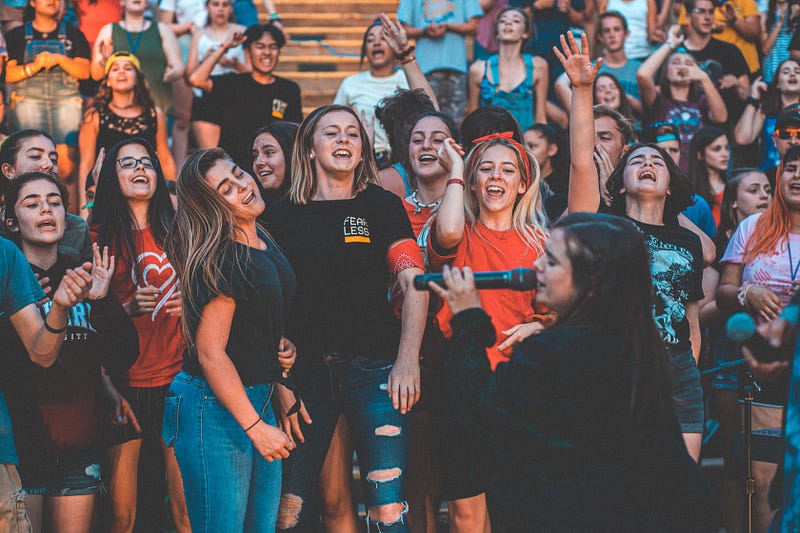
The future of audience building online is changing for good, and I’m here to witness it with some popcorn.
I’ve been active on Twitter, LinkedIn, and Medium for a year and am silently looking at how people behave, who they follow, and why. How do I know this? Because once you observe, you realise people are vocal about these things.
But most of us are too busy building our profiles to watch and observe others, right?
This is an opportunity for us, for everyone.
Because
- consumers are realising that just a follower count isn’t credible. and
- creators are understanding that they’d rather have an engaged audience and a potential customer base than a random person who clicks the follow button.
Let’s dig deeper into this.
What Is an Audience?
An audience doesn’t equate to followers. An audience comprises people who follow you to
- engage
- support
- build relationships
- can be potential customers
But people often focus on the last point, which backfires.
It’s like me putting up pretty photos of myself to get followers and selling my LinkedIn Guide. Now, even with 100k followers out of which 90% will be men, why would they be interested in my LinkedIn Guide?
But an Only Fans? Maybe.
Three Shifts I’m Observing
And I also derived this from the conversations I’ve had with other creators across platforms.
This is making me change my own business strategy.
Because creating just got a tad bit easier.
For starters, it’s more effortless to be your true self online. It's scary at first, but when people applaud you for it, you’ll do it more often.
Now, let's jump to the specifics.
1. Selling your $500 course
For a long time, I only saw big creators selling such expensive courses. But there are people with ~10,000 followers doing it too.
And it’s taken them just over a year to build the 10k audience.
Here’s why people are buying from them:
- these creators have the bandwidth for individual conversations
- their audience has seen them grow (proof of results)
- they’re only a few steps ahead
People want to learn from them because they trust them. This person was in your shoes 2 years ago, not 10 years ago. They know your problems better than anyone else.
They’re also available during their course, which people at the top aren’t and hence they outsource their work even for cohort-based courses.
So being a middle-sized creator is a huge advantage.
2. Perfect accounts are getting boring
In the beginning, I wanted to be like those cool Twitter accounts. They’re pros in their field and put out insane value.
Until you follow them for a few months and realise it’s redundant.
The same thing is said repeatedly.
Also, they don’t talk about themselves at all. All work and no play is boring. I want to know what you’re reading, what your workday is like, and what your challenges are.
I want to know how you feel. Not just ‘how to do X’.
While I still love and look up to those accounts, I no longer want to be like them. I just want to be like me.
Use emojis if I want to and talk about fun stuff — and people are okay with it. They don’t expect you to sound like a robot 24/7.
3. Tribe > Network
Here’s how a network helps you:
- big accounts comment on your posts to help you grow
- some people sell likes/retweets/comments
As a result, you gain followers. But followers aren’t the metric we’re chasing, remember?
A tribe does it for you because you’re friends and they genuinely believe in you. I’ve had my internet friends buy my products, enroll into my course (sometimes more than once) and spread the word just because they genuinely want to.
When it first started, I thought — the world isn’t that kind, they’ll want something in return.
Nah. They like your stuff and see value, that’s all.
How Can You Start?
Middle sized creators are ruling. They’re just not famous (yet).
Luckily, aspiring, new, and existing creators don’t need to worry too much.
Here are some actions I recommend:
- Your voice: study what works on the platform, but use your own voice. People will start recognising you for it soon and those who resonate will follow you.
- Refine your feed: follow your niche and what excites you so you can keep discovering more people who are like you. Build your tribe, eliminate BS.
- Conversations: It surprised me how much I vibed with some of my internet friends. From feeling like shit because of hate comments to business advice, they’ve helped me with it all.
- A winning product: is the one where you know the issues of your audience and want to solve them. Most people launch a product for the heck of it when it’s not even a problem people have. Don’t be like most people.
- Engage: Reply to your comments and engage with others. If you want to build a business someday, you need to know what people are thinking, doing, and upset about. And then you solve for it.
Doing this is easy, but doing it consistently is hard.
Most people will give up too soon and crib about why things aren't working out.
For the second time, don’t be like most people.
Lastly
This is your opportunity to grow without trying too hard.
You don’t need to be big and famous. You just need to be liked by a few people. And when that happens, please don’t sell your stuff in their face.
I’ve never sent my products to any of my friends.
Promote them on your list and timeline. Don’t use your community as a transaction.
They’re humans first, and then some of them can be potential customers. Leave it on them.
Treat people online like you would in real life.


