
The Future of AI: How GPT-4 and DALL-E are Changing the World
From language to images, the possibilities are endless…
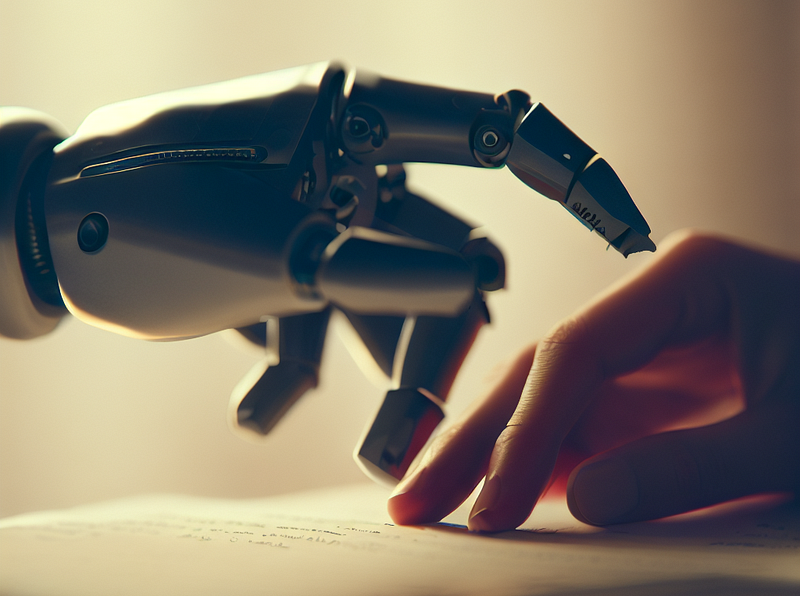
Imagine an AI that can generate natural language prompts and create stunning, lifelike images to go with them without human input. This may sound like science fiction, but with the release of GPT-4 and DALL-E v2 Experimental, this dream is fast becoming a reality.
These cutting-edge models, developed by OpenAI, are set to revolutionize how we create and interact with text and images. The potential applications for these technologies are vast. They could transform everything from content creation to marketing. This article will explore the groundbreaking capabilities and their potential impact on the world.
Exploring GPT-4
How an AI Model is Revolutionizing Natural Language Generation
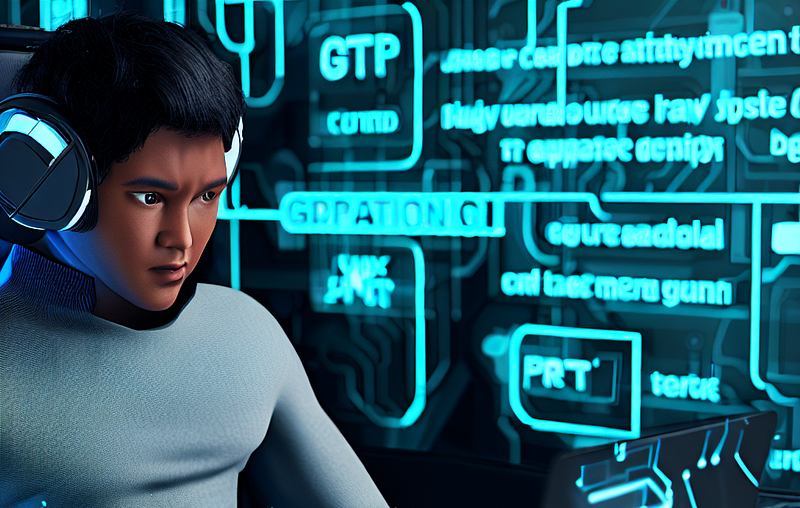
Natural Language Generation (NLG) uses artificial intelligence to create human-like language, from simple phrases to complex paragraphs. GPT-4, developed by OpenAI, is one of the most advanced NLG models, capable of generating natural language prompts with impressive accuracy and fluency.
GPT-4 is a successor to the highly successful GPT-3 model, which has already demonstrated impressive capabilities in language generation. However, GPT-4 takes it further by adding a new training dataset that allows the model to be fine-tuned for specific use cases, improving its accuracy and efficiency.
The model’s ability to generate natural-sounding language has enormous potential in various fields. For example, GPT-4 can automatically generate emails or creative writing like poetry or song lyrics. It can also power virtual assistants or chatbots, allowing for more efficient and natural communication between humans and machines.
Its abilities are not without limitations. The model is still prone to errors, biases, and the occasional nonsensical output. Additionally, there are concerns about the ethical implications of using AI-generated content, especially in cases where the source is not transparent, or the work could be used to spread misinformation.
It represents a significant step forward in natural language generation. Its advanced capabilities and potential applications make it an exciting development in AI. Many people are interested to see how this technology continues to evolve.
DALL-E v2 Experimental
The Future of AI-Generated Images
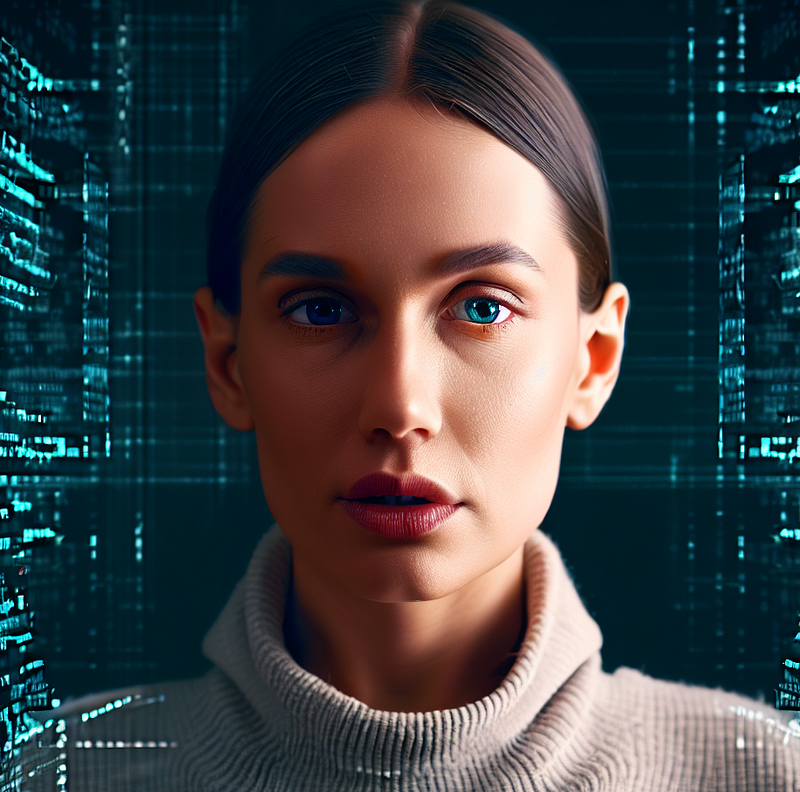
DALL-E v2 Experimental, another cutting-edge AI model developed by OpenAI, has made significant advancements in AI-generated images. This model can create highly realistic images from textual prompts, creating bespoke, high-quality visual content.
It is trained on a massive dataset of images and can generate highly detailed and photorealistic images that go beyond the capabilities of traditional image-generating AI models. For example, it can create images of non-existent objects, animals, and scenes based solely on textual descriptions.
This model’s capabilities have significant implications for various industries, from marketing and advertising to entertainment and design. It can help create highly personalized and targeted visual content, enabling businesses to connect with their audiences more effectively. It can also be used to develop custom illustrations for books, magazines, and other publications, helping to drive down costs and increase efficiency.
As with all AI-generated content, there is a risk of bias, error, and inaccuracy. The images generated may only sometimes meet the desired quality or expectations. Additionally, there are concerns about the potential impact of AI-generated images on industries such as graphic design and photography.
It shows an exciting development in AI-generated images and has the potential to revolutionize the way we create visual content and offer exciting opportunities for businesses and creators alike.
How GPT-4 and DALL-E v2 Experimental Can Work Together to Create Multi-Modal Content
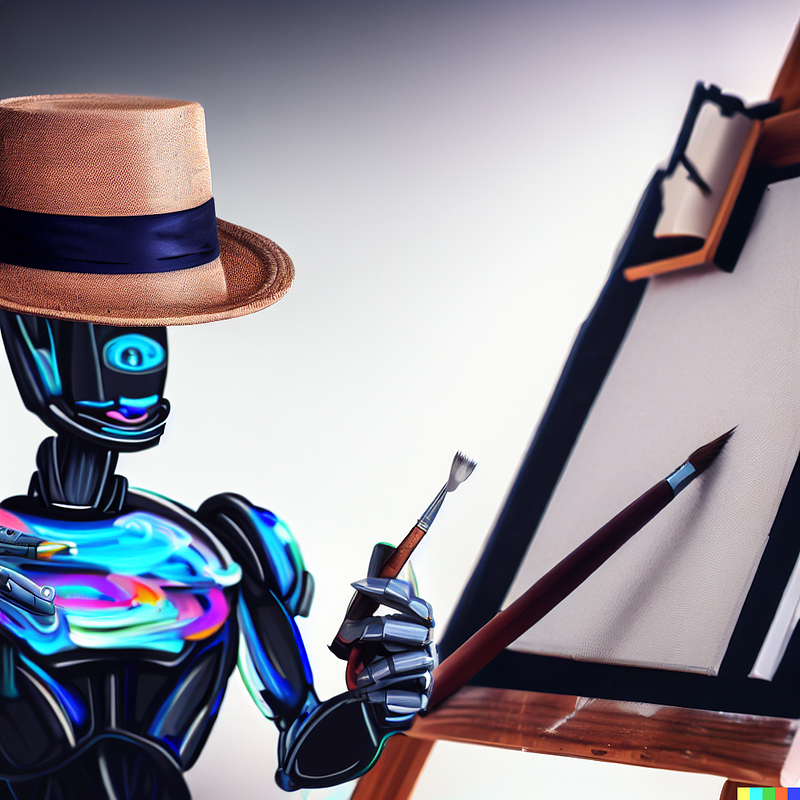
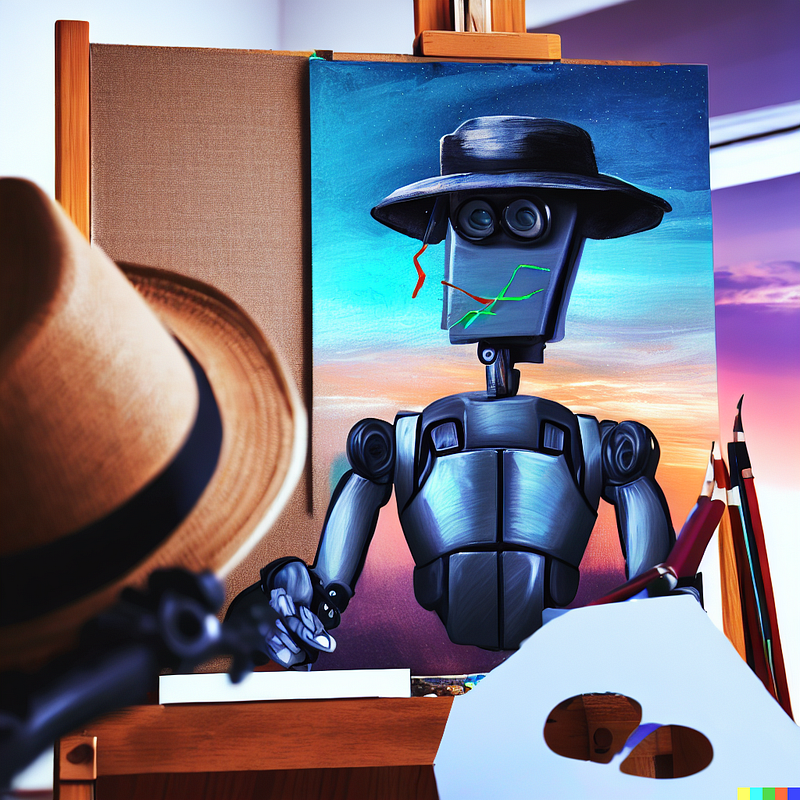
Combining these two models’ strengths makes creating genuinely multi-modal content that includes text and images possible. This can be useful in various applications, from creating marketing materials to generating content for social media platforms.
Advertisers may use them in a conditional generation setup. For example, the input to both models is conditioned on a particular topic or theme, which ensures that the generated content is consistent and relevant to the topic at hand. If the theme is “beauty products”, GPT can develop a product description, and DALL-E can create an image of the product.

Additionally, these two models can be used in a generative adversarial network (GAN) setup. In this setup, the two models are pitted against each other in a game-like scenario, with GPT generating text prompts and DALL-E creating corresponding images. The two models continuously learn from each other’s output, producing more refined and coherent production over time.
The Creative Potential of AI
Using GPT-4 and DALL-E v2 Experimental to Generate Art
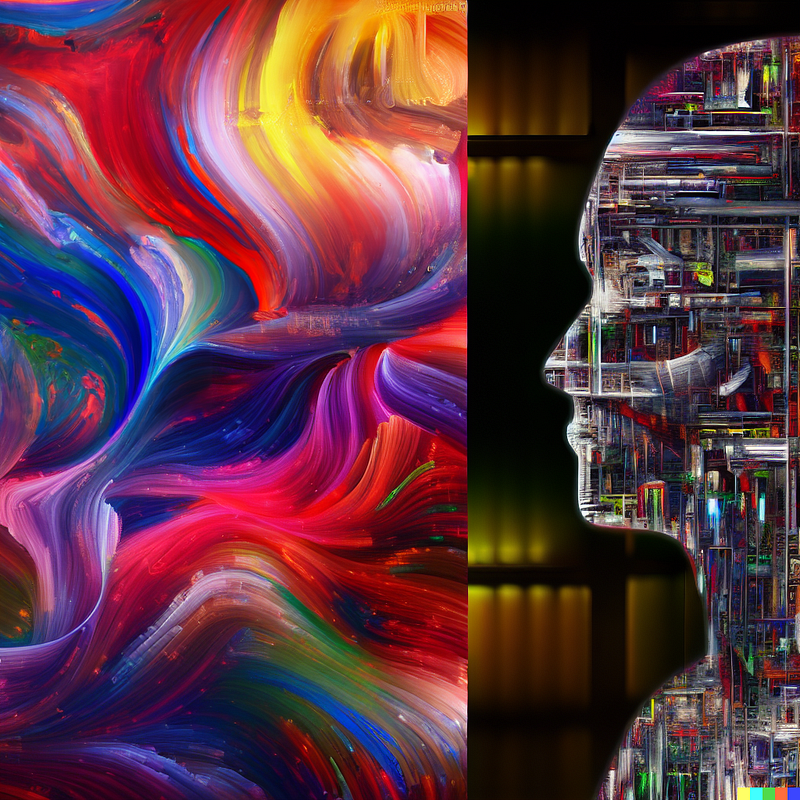
Art is often considered the domain of human creativity and imagination. Still, recent advances in artificial intelligence (AI) have challenged this notion. With the advent of GPT-4 and DALL-E v2, it is now possible to use AI to generate original and creative art.
GPT-4, a language model capable of generating human-like text, can be used to create writing prompts that inspire visual art. These prompts can range from descriptions of abstract concepts to specific scenes or objects. DALL-E v2, a generative model that can create images from textual descriptions, can then be used to bring these prompts to life by creating unique and original images.
One example of using these two models to generate art is creating art prompts inspired by literature. For instance, a prompt generated by GPT-4 could describe a scene from a novel, and DALL-E v2 could then create an image based on that scene. This process could be repeated for multiple scenes, resulting in a series of images inspired by a particular work of literature.
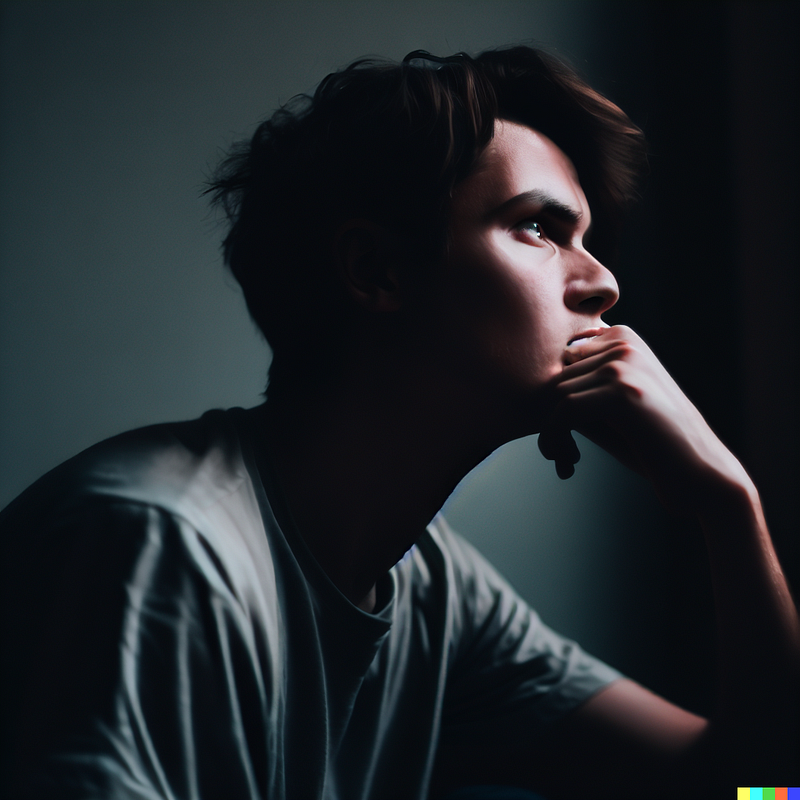

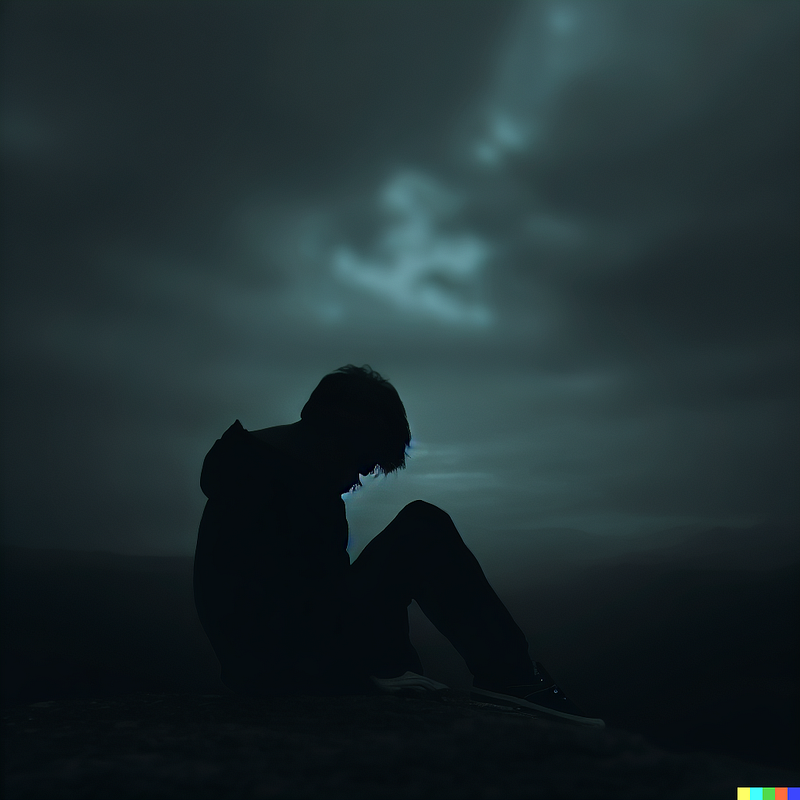
Another way they can be used to generate art is by creating prompts based on abstract concepts. For example, a prompt could describe the feeling of loneliness, and DALL-E v2 could create an image that captures the essence of that feeling. This approach could result in various art styles and interpretations depending on the prompt.
Collaborative art is also a good idea. Multiple artists could contribute to creating a piece of art by generating different prompts or creating additional images based on the same prompt. This could result in a truly collaborative and unique work of art that is the product of both human and artificial creativity.
By using these models to create art prompts and generate images, we can expand our understanding of what it means to create art and explore new possibilities for collaboration and creativity.
Beyond Words and Images
Other Potential Applications of GPT-4 and DALL-E v2 Experimental
While they are primarily known for their ability to generate text and images, respectively, their potential applications go far beyond those areas. Here are some other possible applications of these models:
Fashion Design
DALL-E v2 can be used to create clothing designs based on textual descriptions provided by GPT-4. This could be particularly useful for fashion designers looking for new and innovative ideas for their collections.
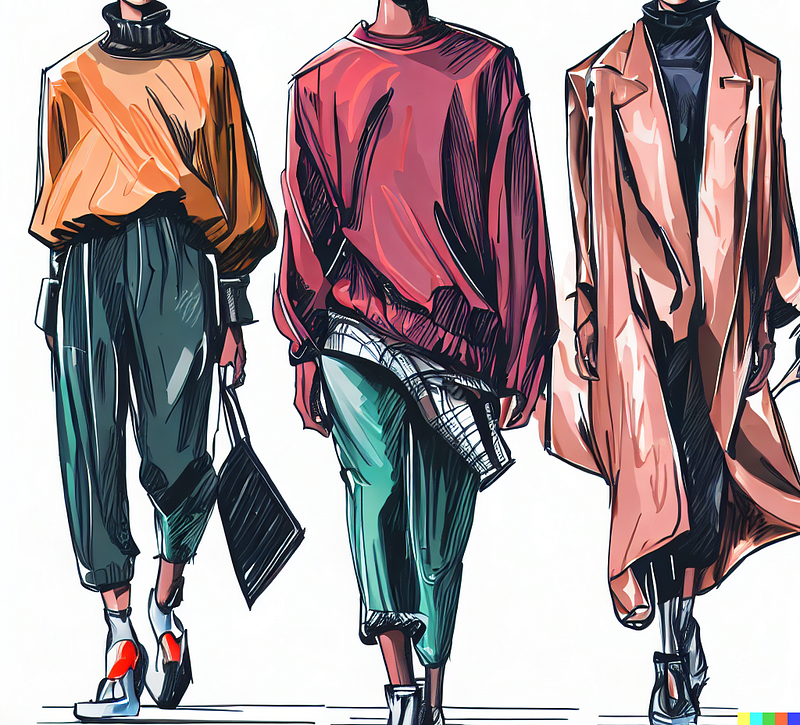
Exterior and Interior Design
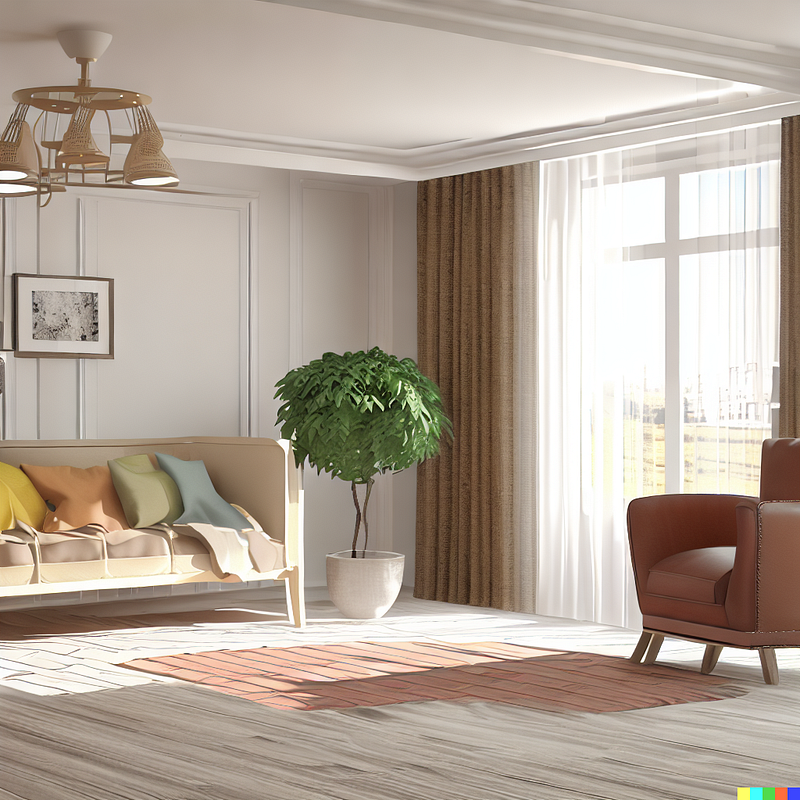
Like fashion design, DALL-E v2 can create exterior and interior design concepts based on textual prompts generated by GPT-4. This could be especially meaningful for architects and interior designers looking for inspiration and ideas for their projects.
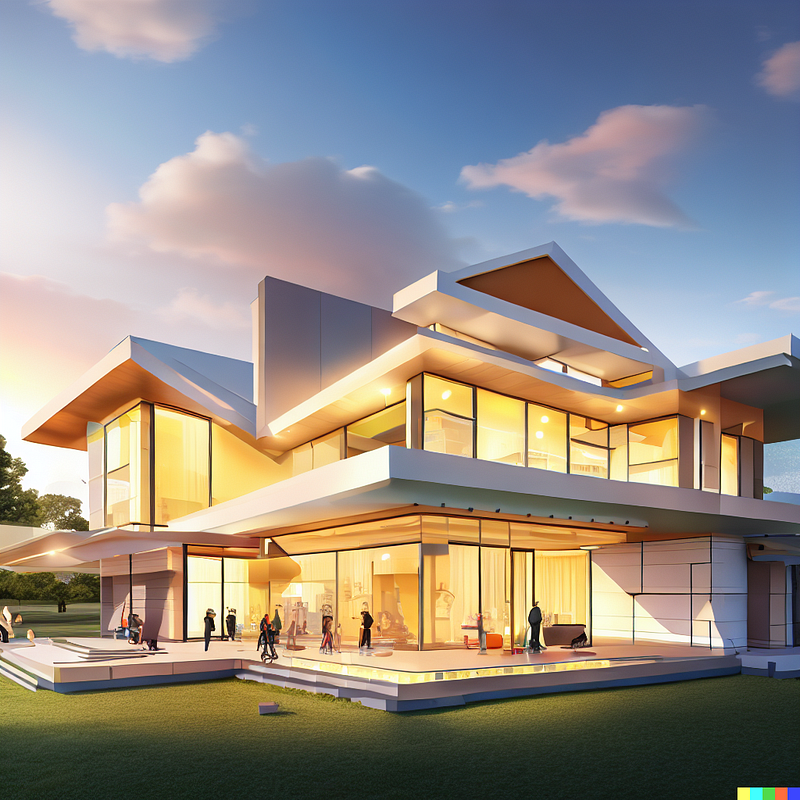
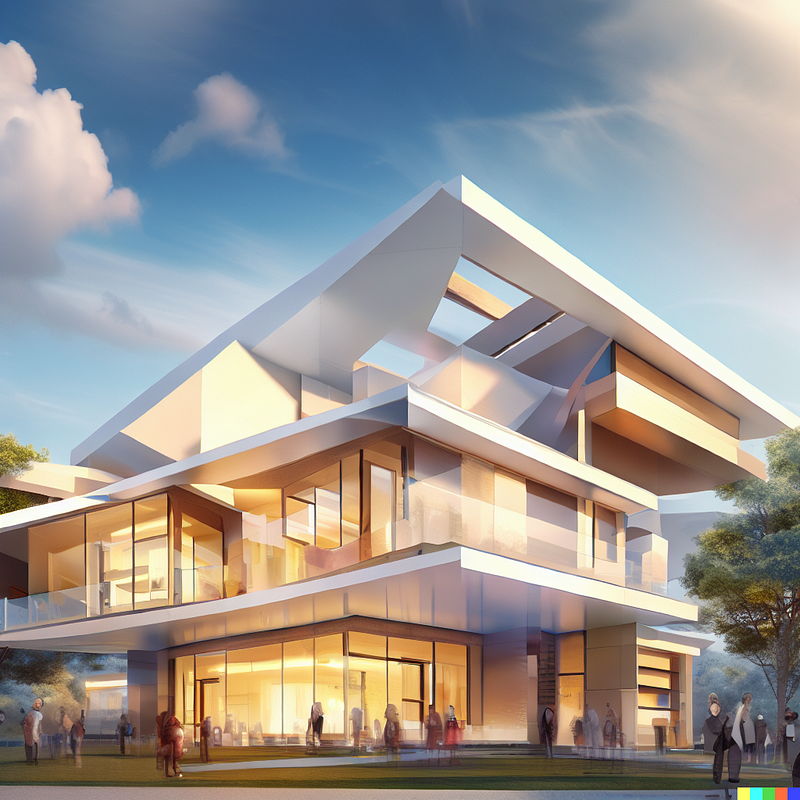
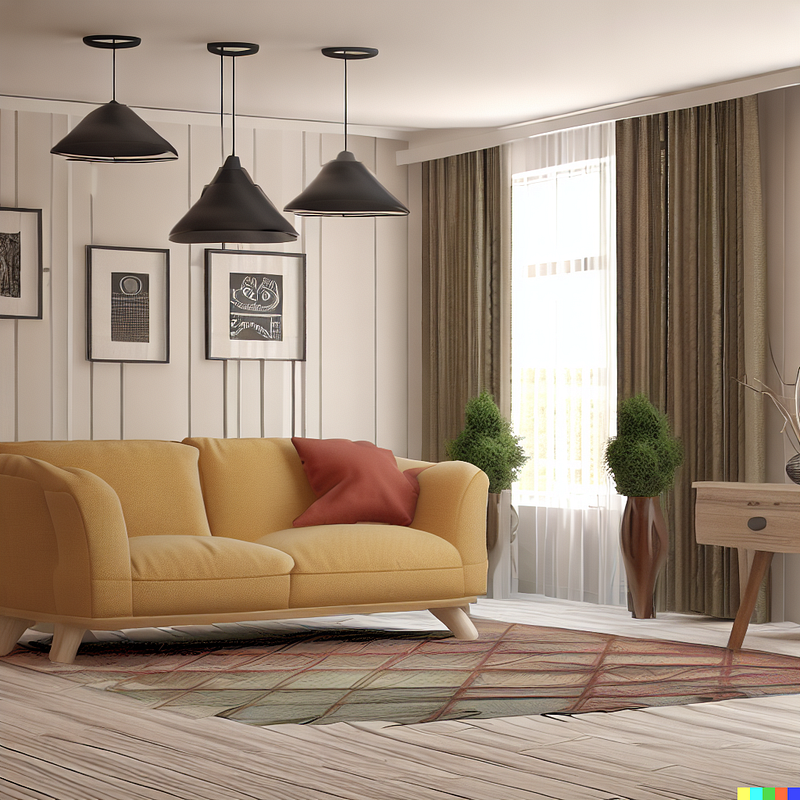
Product Design
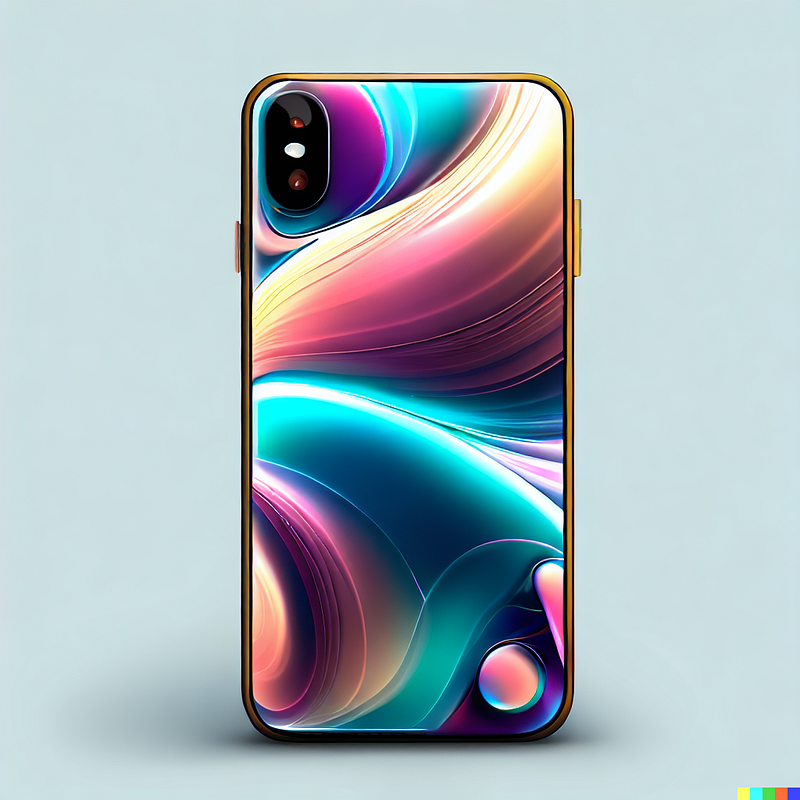
GPT-4 can generate product ideas, while DALL-E v2 can create images of those products. This could be convenient for companies that are looking for new product ideas or are in the process of developing prototypes.
Game Development
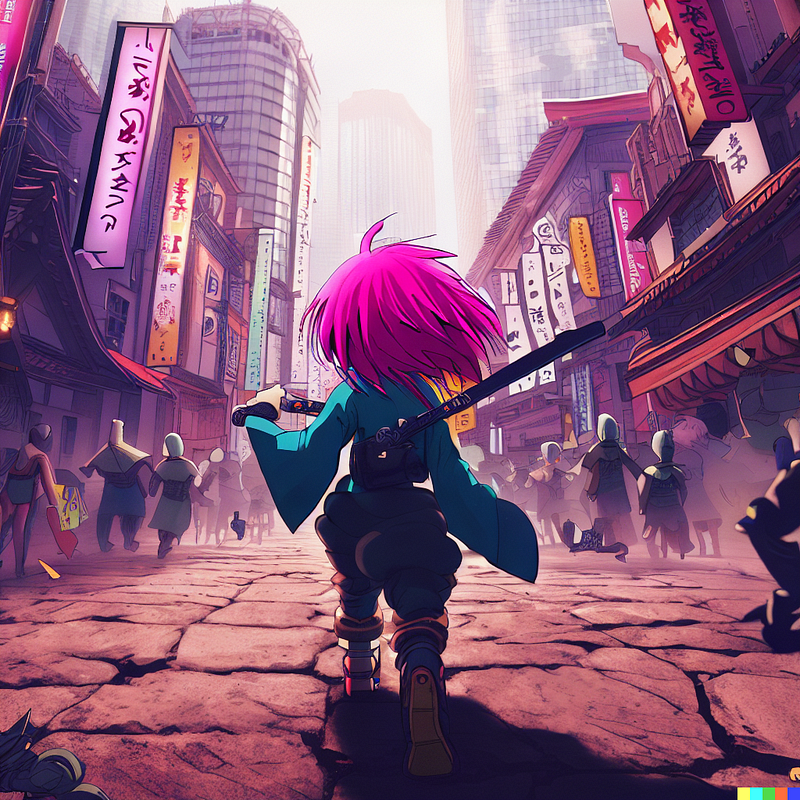
GPT-4 can generate storylines and character descriptions for video games, while DALL-E v2 can create concept art for those characters and settings. This could be useful for game developers looking to streamline their game development process.
Advertising and Marketing
GPT-4 and DALL-E v2 can be used together to create advertising and marketing campaigns that are visually engaging and communicate complex ideas. This could be useful for companies looking for new and innovative ways to reach their target audience.
The Future of Storytelling
How GPT-4 and DALL-E v2 Experimental are Changing the Narrative Landscape
Jack and his dog, Buddy, as the sun set, set out on a hike through the forest. They followed the trail but soon became lost. Darkness fell, and Jack’s phone died. They stumbled upon an old cabin and took shelter. In the morning, they discovered a map that led to a treasure hidden in the forest. They followed the map and found an old chest filled with gold coins and precious gems. Excitedly, they returned home, and Jack used the treasure to start a new life. He never forgot his unexpected adventure in the woods.
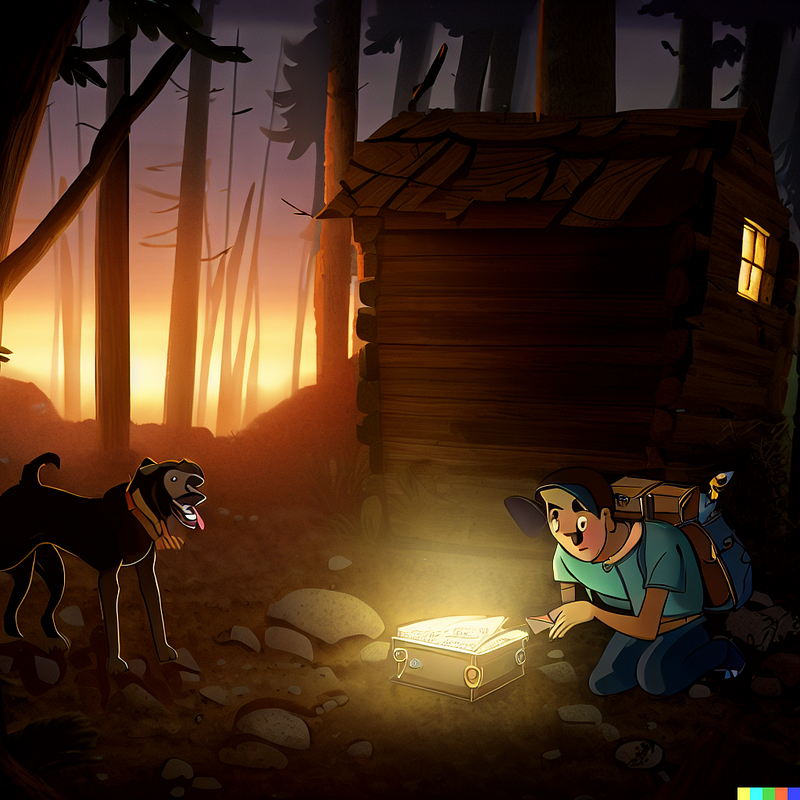
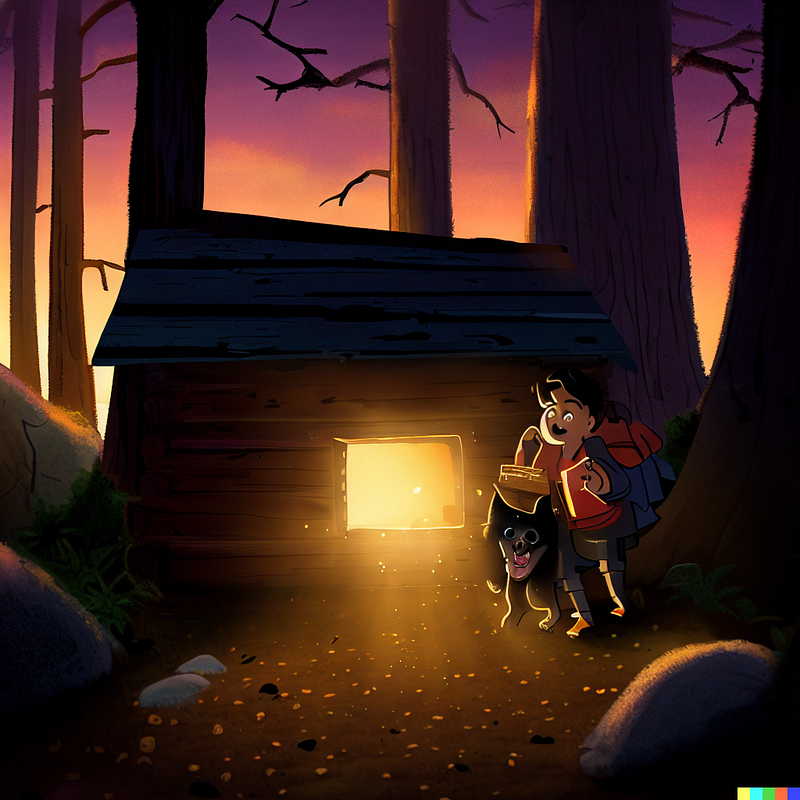
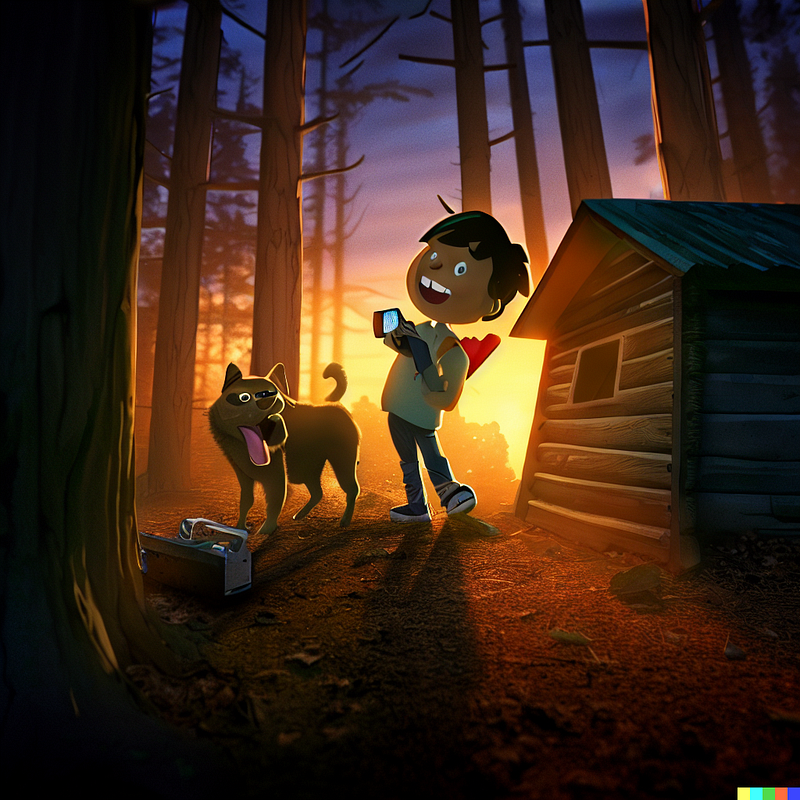
GPT-4 and DALL-E v2 Experimental are already significantly impacting how stories are told, and they are poised to have an even more significant impact in the future. Here are some ways these technologies are changing the narrative landscape:
Expanded Creativity
Creators can access endless inspiration and ideas. These models can generate more complex and nuanced content than previous generative models, meaning that creators can use them to create new ideas, characters, and storylines that they might not have thought otherwise.
Enhanced Efficiency
AI can generate content much faster than humans, so it can help streamline the creative process. This can be particularly beneficial in industries like advertising and marketing, where fresh content is constantly needed.
Accessibility
AI can be used to create content in multiple languages, which means that they have the potential to make storytelling more accessible to people around the world. Additionally, because these models can generate content in various formats (e.g., text, images), they can be used to create content that is accessible to people with different learning styles.
Summary
Combining language and image processing in AI models has unlocked new possibilities for creating multi-modal content that blends text and visuals. This technology can be applied to various industries, from advertising and marketing to social media content creation. The creative potential of AI-generated art is vast, offering opportunities for innovative and original works.
However, there are limitations and challenges associated with AI-generated content. These include the potential for bias, errors, and inaccuracies. Ethical considerations also arise, as the use of AI raises questions about ownership and responsibility for the content created.
Despite these challenges, the potential benefits of AI technology are significant, and ongoing developments will likely lead to improved performance and fewer limitations. As we continue exploring AI-generated content’s capabilities, addressing ethical concerns and considering how this technology can be used responsibly and effectively will be important.
Overall, the future of AI-generated content is exciting, and we can expect continued progress and advancements in 2023 and beyond.
Special Thanks
As a writer and researcher, I am incredibly grateful for the opportunity to explore the cutting-edge capabilities of GPT-4 and DALL-E v2 Experimental, two groundbreaking AI models developed by OpenAI. These models can potentially revolutionize how we create and interact with text and images, and I am excited to see where this technology will take us in the future.
Reference
OpenAI — https://openai.com DALLE — https://openai.com/product/dall-e-2