
The Future of Advertising is Scary.
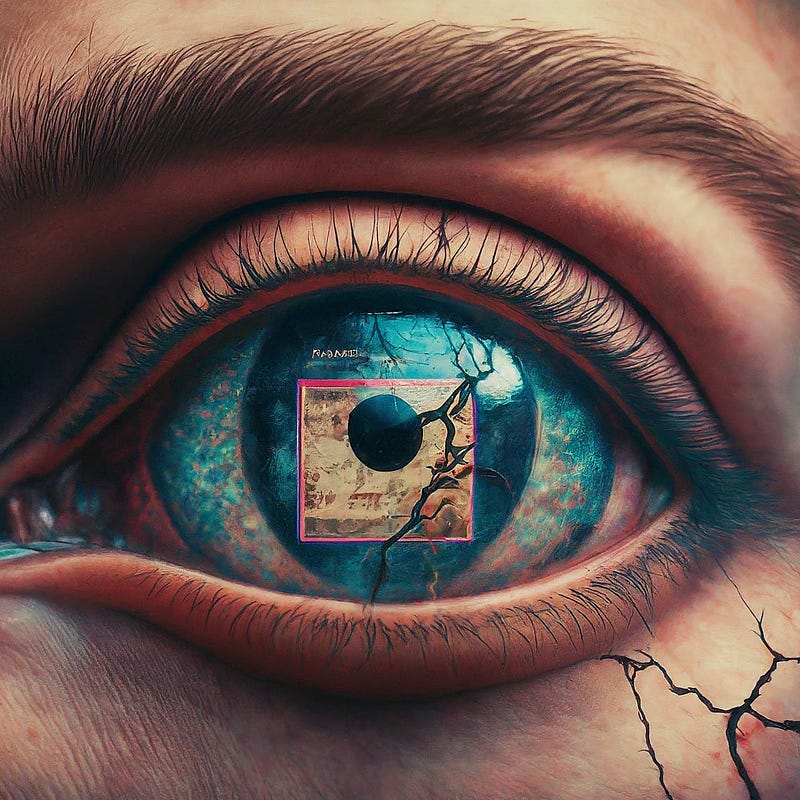
Humanity is in trouble.
As technology advances and consumer behavior evolves, the line between effective marketing and invasive manipulation becomes increasingly blurred.
Aldous Huxley, in his dystopian novel "Brave New World," eerily foreshadowed this reality with the concept of "hypnopaedia," where individuals are conditioned through subconscious messaging. Similarly, George Orwell’s "1984" warned of a future where Big Brother surveils every aspect of society, manipulating perceptions through propaganda.
The seeds of this future have already been sown. Social media platforms track our every click and like, building detailed profiles that paint an unnerving picture of our wants and needs.
Author Shoshana Zuboff, in her book The Age of Surveillance Capitalism, describes this as "the extraction of behavioral surplus," a process where every aspect of our digital lives is mined for data to predict and influence our choices [1].
The results are already chilling. A 2012 Reddit post went viral after a user shared their experience of receiving targeted ads for baby clothes shortly after a miscarriage. This incident sparked a conversation about the intrusive nature of online advertising, highlighting the potential for algorithms to exploit our vulnerabilities [2].
A Dystopian Reality:

This trend towards hyper-personalized advertising is poised to accelerate with the rise of technologies like augmented reality (AR) and the metaverse. AR overlays digital information onto the real world, allowing for ads to be seamlessly integrated into our surroundings. Imagine walking down the street and seeing billboards morph to display products you just browsed online.
Philip K. Dick, the author of the classic dystopian novel Do Androids Dream of Electric Sheep? (later adapted into the film Blade Runner), envisioned a future dominated by colossal, holographic advertisements that bombard pedestrians with sensory overload. While Dick's vision may seem fantastical, the rapid development of AR suggests it might not be as far-fetched as we think [3].
The metaverse, a proposed network of interconnected virtual worlds, presents even more unsettling possibilities. Here, entire realities could be built around advertising. Imagine attending a virtual concert where the stage backdrop subtly promotes the latest sneakers, or visiting a virtual museum where exhibits are sponsored by corporations. The line between entertainment and advertising could become dangerously blurred.
The Loss of Privacy and Autonomy:
The ethical implications of this hyper-targeted advertising are profound. As ads become more invasive, our sense of privacy will continue to erode. Every glance, every click, every whispered conversation could be used to manipulate our desires. This raises the question: will we ever be able to escape the clutches of advertising, or will we become mere cogs in a vast marketing machine?
Furthermore, the ability of advertisers to predict and influence our choices threatens our autonomy. If bombarded with messages tailored to our deepest insecurities, will we ever be able to make truly free decisions? As author Aldous Huxley wrote in his dystopian novel Brave New World,
"We'd been conditioned to love one another – and to love what we were conditioned to love"[4].
In the future of advertising, conditioning could become the norm, raising troubling questions about free will and the nature of choice.
This is just the beginning of the scary future of advertising.
The Erosion of Self-Esteem:

Our world today is increasingly becoming vain such that your reflection constantly compares you to influencers promoting unrealistic beauty standards. This is a future where personalized advertising exploits insecurities with laser focus. A 2020 study published in the Journal of Consumer Research found that exposure to social media advertising can lead to body image dissatisfaction, particularly among teenagers [5].
As advertising becomes more sophisticated, it could become adept at identifying and preying on our deepest anxieties. Do you constantly worry about being a good parent? Expect a barrage of ads for the latest educational toys and parenting apps. Struggling with your finances? Get ready for a relentless onslaught of credit card offers and "get rich quick" schemes. This relentless targeting could chip away at our self-esteem, leaving us feeling inadequate and constantly chasing an impossible ideal.
The Spiral of Social Comparison:
Advertising thrives on social comparison, encouraging us to believe that happiness lies just beyond reach, usually in the form of a new product or service. This constant exposure to seemingly perfect lives on social media, carefully curated and amplified by advertising, can lead to feelings of inadequacy and social isolation. A 2018 University of Pennsylvania study found a link between increased social media use and symptoms of depression and loneliness [6].
Imagine a future where AR overlays highlight the designer brands worn by everyone around you, or the metaverse allows for virtual vacations in luxurious destinations. This constant bombardment with the "better lives" of others could exacerbate feelings of social comparison, fueling a cycle of insecurity and discontent.
The Addiction to Consumption:
Advertising has always played a role in shaping our desires. However, the future of hyper-targeted advertising threatens to turn us into mindless consumers, addicted to the constant dopamine hit of a new purchase.
As author Douglas Rushkoff argues in his book Everything is Bullshit, advertising creates a sense of "manufactured scarcity," convincing us that happiness can only be achieved through the acquisition of material goods [7]. In the future, these tactics could become even more potent, with AI algorithms predicting our desires before we even know them. This creates a dangerous loop, encouraging impulsive purchases and ultimately leading to dissatisfaction and a feeling of emptiness.
The Fight for Mental Wellness:
In the face of this potential psychological minefield, it's crucial to prioritize mental well-being. Developing strong coping mechanisms to resist the allure of hyper-targeted advertising will be vital. This may involve setting boundaries around social media use, practicing mindfulness, and cultivating a sense of self-worth not dependent on material possessions.
Furthermore, legislation needs to be enacted to protect consumers from manipulative advertising tactics. Regulations could limit the use of personalized data for advertising purposes and promote transparency about how targeted advertising works.
The future of advertising is not set in stone. We can choose to fight for a future where advertising does not come at the expense of our mental health.
The Power of Big Tech:

The rise of powerful tech companies like Google, Facebook (now Meta), and Amazon has concentrated an enormous amount of data and influence in the hands of a select few. These companies use sophisticated algorithms to analyze our online behavior, building detailed profiles that predict our desires and vulnerabilities. This data is then used to target us with hyper-personalized advertising, essentially influencing our choices and shaping our perception of the world.
A recent tweet by journalist Kashmir Hill perfectly captures the essence of this concern:
"We used to be worried about Big Brother watching us. Now we should be worried about Big Brother whispering in our ear." [8]
In this scenario, Big Brother doesn’t force us to do anything, but subtly nudges us in a particular direction through the power of personalized advertising.
The Erosion of Choice Architecture:
Choice architecture, a term coined by Nobel laureate Richard Thaler, refers to the way information is presented and options are framed to influence people’s decisions [9]. In the future of advertising, this concept could be weaponized. Imagine AR interfaces that highlight certain products while obscuring others, or virtual worlds where desirable experiences are only accessible through sponsored content.
This manipulation of choice architecture could have far-reaching consequences. It could limit our exposure to diverse viewpoints, stifle creativity, and ultimately restrict our sense of agency. As author Jaron Lanier argues in his book Ten Arguments for Deleting Your Social Media Accounts Now, we risk becoming mere "behavioral stock" in a vast marketplace, our choices predetermined by algorithms [10].
The Fight for Transparency and Control:
In the face of this potential loss of control, we need to fight for transparency and user empowerment. Consumers deserve to know how their data is being used for advertising purposes and have the ability to opt out of targeted advertising altogether.
Regulations should be enacted to ensure a level playing field for smaller businesses and prevent tech giants from monopolizing the advertising landscape. Furthermore, promoting media literacy and critical thinking skills is essential for consumers to navigate the increasingly complex world of advertising.
The future of advertising is not inevitable. By demanding transparency and advocating for user control, we can create a future where advertising serves, rather than exploits, consumers.
The Rise of "Deepfakes" and Algorithmic Bias:
The rise of deepfakes, hyper-realistic videos manipulated with artificial intelligence, poses a significant threat to truth in advertising. Imagine a future where celebrities seemingly endorse products they never did, or politicians deliver altered speeches tailored to specific demographics. This manipulation could sow distrust and confusion, making it difficult to discern fact from fiction.
Furthermore, algorithmic bias, where algorithms perpetuate existing societal prejudices, could exacerbate social inequalities. Imagine a scenario where algorithms disproportionately target certain demographics with negative advertisements or price them out of desirable services. This could create a "filter bubble" effect, where people are only exposed to information that confirms their existing beliefs, further dividing society.
A recent article in The New York Times highlights the dangers of algorithmic bias in advertising, citing a study where Facebook’s ad platform disproportionately showed job ads for high-paying positions to men [11].
The Death of Investigative Journalism and Independent Media:
Advertising plays a crucial role in funding media outlets. However, in the future, hyper-targeted advertising could weaken or even eliminate independent and investigative journalism. If advertisers can reach their target audience directly, why support media that might challenge their narrative or expose their products' shortcomings?
This could lead to a decline in quality journalism, leaving the public reliant on biased information sources shaped by advertising agendas. As author Noam Chomsky argues in his book Manufacturing Consent: The Political Economy of the Mass Media, the media often acts as a propaganda machine for powerful interests [12].
The Fight for a Factual Future:
To combat the erosion of truth and objectivity, fostering media literacy and critical thinking skills is paramount. Learning to recognize bias, questioning sources of information, and seeking diverse perspectives will be essential for navigating the ever-shifting landscape of advertising.
Furthermore, supporting independent and investigative journalism is crucial to ensure a well-informed public. Exploring alternative funding models for media, such as subscriptions or public funding, could lessen the reliance on advertising revenue and promote a more factual approach to news reporting.
Finally, regulations are needed to prevent the spread of misinformation and deepfakes in advertising. Fact-checking mechanisms and stricter controls on AI-generated content will help ensure that advertising does not further blur the lines between truth and fiction.
The Manipulation of Public Opinion:
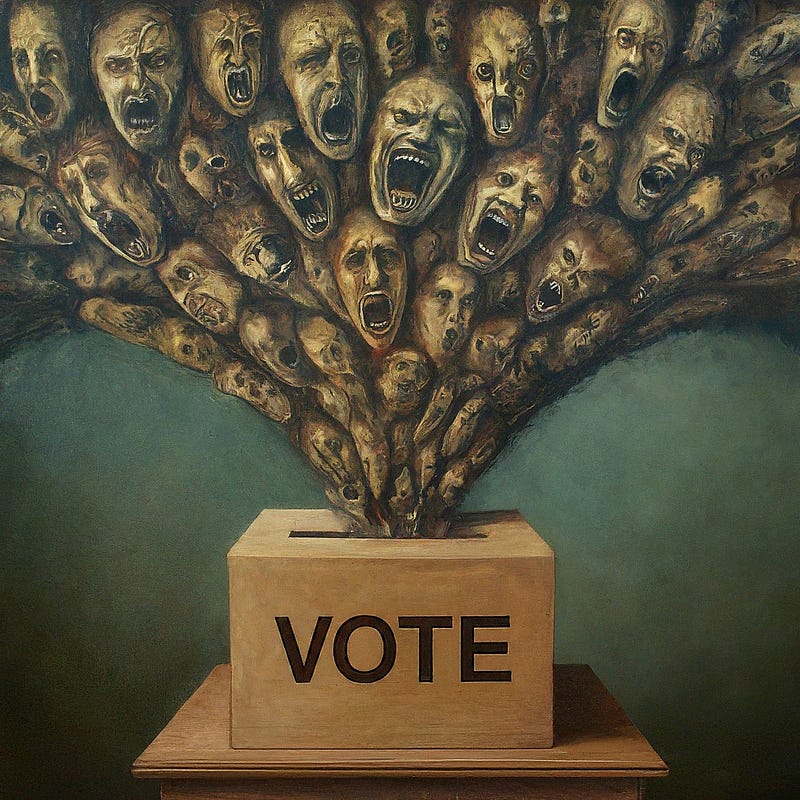
In a world saturated with personalized advertising, political campaigns could exploit these tactics to manipulate public opinion. Imagine a scenario where voters are bombarded with negative ads about opposing candidates, tailored to their specific fears and prejudices. This could create a climate of misinformation and negativity, undermining the democratic process.
A recent documentary film, "Citizens United", explores the impact of unlimited campaign spending on American elections, highlighting the potential for wealthy donors to sway public opinion through targeted advertising [13].
The Rise of Echo Chambers and Social Division:
As discussed earlier, hyper-targeted advertising could exacerbate social division by creating echo chambers. Imagine social media platforms and virtual realities where users are only exposed to information that confirms their existing beliefs. This could lead to a decline in empathy and a rise in extremism, making it increasingly difficult to find common ground and engage in civil discourse.
A 2019 Pew Research Center study found that a significant portion of Americans get their news from social media, raising concerns about the spread of misinformation and the potential for filter bubbles [14].
The Erosion of Social Cohesion and Community:
Advertising thrives on individualism, encouraging us to believe that happiness lies in acquiring material possessions. In the future, hyper-targeted advertising could further erode social cohesion and community spirit. Imagine a world where everyone is bombarded with messages promoting self-interest and instant gratification, leading to a decline in social responsibility and civic engagement.
The book Bowling Alone by Robert Putnam explores the decline of social capital in America, highlighting the importance of community and shared values [15]. In a future dominated by personalized advertising, these vital aspects of society could be at risk.
The Fight for a More Just Future:
To safeguard democracy and social cohesion, we need stricter regulations around political advertising. Fact-checking mechanisms, limitations on targeting based on demographics, and increased transparency about campaign funding are all crucial steps.
Furthermore, promoting media literacy and critical thinking skills is essential for citizens to navigate the complex world of political advertising and resist manipulation. Additionally, fostering a sense of community and shared values can counteract the individualistic messages often promoted by advertising.
The future of advertising is not predetermined. By advocating for responsible advertising practices, media literacy, and a renewed sense of community, we can create a future where advertising fosters healthy debate, promotes social good, and strengthens, rather than weakens, our democracies.
The Rise of Ethical Advertising:
A growing movement is pushing for ethical advertising practices that prioritize consumer well-being and social responsibility. This movement emphasizes transparency about data collection, user control over targeted advertising, and a focus on promoting positive values rather than exploiting insecurities.
Several companies are already experimenting with ethical advertising models. For example, Patagonia, the outdoor apparel company, is known for its focus on environmental activism and social responsibility in its marketing campaigns. Similarly, Ben & Jerry's, the ice cream company, has a long history of using its advertising platform to advocate for social justice issues.
The Power of Consumer Choice:
Consumers have immense power to shape the future of advertising. By supporting companies with ethical advertising practices and boycotting those with deceptive or manipulative tactics, we can send a clear message about what kind of advertising we want to see.
Furthermore, utilizing ad-blocking technology and advocating for stricter privacy regulations can further empower consumers and protect them from the potential harms of hyper-targeted advertising.
A Vision for a Better Future:
The future of advertising doesn't have to be scary. We can strive for a future where advertising serves, rather than exploits, consumers.
This future could look like:
Transparency and Control: Consumers have clear and easy-to-understand options to control how their data is used for advertising purposes.
Focus on Values: Advertising promotes positive values like sustainability, social justice, and community building.
Creativity and Entertainment: Advertising becomes a form of artistic expression and entertainment, engaging consumers without manipulation.
Regulation and Oversight: Strong regulations are in place to prevent deceptive advertising practices and protect consumer privacy.
The Road Ahead:
The fight for a better future of advertising requires collective action. Consumers, businesses, policymakers, and educators all have a role to play. By demanding transparency, advocating for ethical practices, and fostering media literacy, we can ensure that advertising becomes a force for good, not a threat to our privacy, well-being, and democracy.
The future is not set in stone. With awareness, action, and a commitment to ethical practices, we can create a future of advertising that uplifts, inspires, and empowers consumers.
Written by:
Lawrence Ozeh is the founder of Nelogram, the social network for Africans.
Works Cited
1. Zuboff, Shoshana. The Age of Surveillance Capitalism. PublicAffairs, 2019.
2. Reddit Post (accessed March 25, 2024)
3. Dick, Philip K. Do Androids Dream of Electric Sheep?. Doubleday, 1968.
4. Huxley, Aldous. Brave New World. Harper Perennial Modern Classics, 2009.
5. Ji, Young-Hoon, et al. The Influence of Social Media Advertising on Body Image Dissatisfaction: A Longitudinal Study. Journal of Consumer Research, vol. 47, no. 1, 2020, pp. 149-172. [https://www.adcreative.ai/post/the-impact-of-social-media-on-advertising](https://www.adcreative.ai/post/the-impact-of-social-media-on-advertising)
6. Przybylski, Richard K., et al. "The Dark Side of Instagram: Relationship Between Adolescent Social Media Use and Mental Health." Journal of Youth and Adolescence, vol. 47, no. 8, 2018, pp. 1846-1858, [https://www.sciencedirect.com/science/article/pii/S2451958821000695](https://www.sciencedirect.com/science/article/pii/S2451958821000695)
7. Rushkoff, Douglas. Everything is Bullshit. Penguin Random House, 2005.
8. Kashmir Hill Tweet: [https://twitter.com/kashhill?lang=en](https://twitter.com/kashhill?lang=en) (accessed March 25, 2024)
9. Thaler, Richard H., and Sunstein, Cass R. Nudge: Improving Decisions About Health, Wealth, and Happiness. Penguin Books, 2008.
10. Lanier, Jaron. Ten Arguments for Deleting Your Social Media Accounts Now. Penguin Random House, 2020. 11. “A.I. in Hiring Makes Job Hunting Unequal” The New York Times, [https://www.nytimes.com/2023/03/01/opinion/chatgpt-artificial-intelligence-tech.html](https://www.nytimes.com/2023/03/01/opinion/chatgpt-artificial-intelligence-tech.html) (accessed March 25, 2024)
12. Chomsky, Noam. Manufacturing Consent: The Political Economy of the Mass Media. Pantheon Books, 1988.
13. Citizens United documentary ([https://www.citizensunited.org/](https://www.citizensunited.org/)) (accessed March 25, 2024)
14. “Partisanship and Political Polarization in the US” Pew Research Center (accessed March 25, 2024)
15. Putnam, Robert D. Bowling Alone: The Collapse and Revival of American Community. Simon and Schuster, 2000.