
AI/ML Basics
The Future is Now: How AI is Transforming Our Everyday Lives
Discover how AI is impacting our daily lives through real-world examples of advancements in healthcare, finance, personal assistants, and more.
Artificial intelligence (AI) is fast progressing and is no longer a sci-fi idea. It is now having an impact on our daily lives in ways we never imagined possible. AI developments are making our lives easier, more efficient, and more intelligent. AI is also being utilized to address some of the world’s most critical concerns, like healthcare and education. In this blog article, we will look at how artificial intelligence is affecting our world and how these breakthroughs are altering the future.
Healthcare
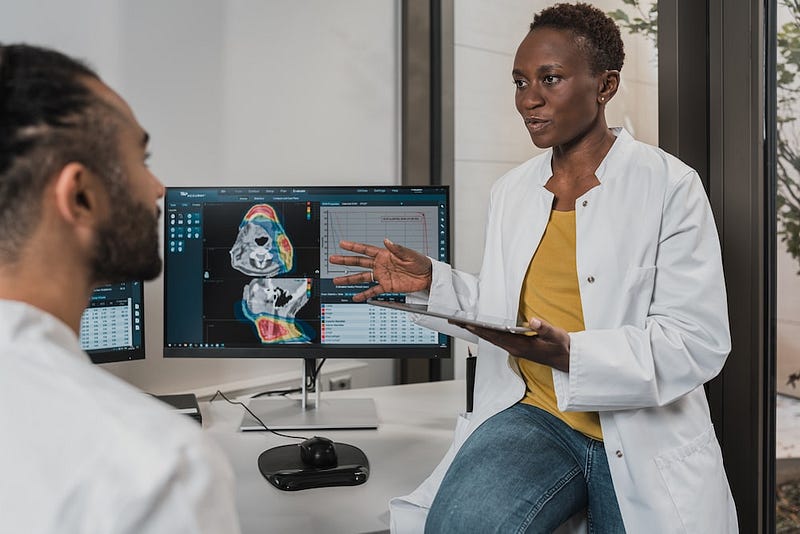
Artificial intelligence is being used to enhance the healthcare industry. Machine learning algorithms are employed to evaluate medical images and diagnose patients. This can help doctors detect diseases like cancer earlier and give more accurate therapy.
Furthermore, Natural language processing is utilized to extract critical information from electronic medical records. On other hand, AI-powered chatbots are utilized to deliver medical advice to patients, assisting them in better managing their health.
Another application in healthcare is the rapid screening of patients at risk of severe diseases such as HCV and the identification of regions of unmet need so that a better healthcare system can be developed.
Finance
AI is also having an impact on the finance industry. Algorithms based on machine learning are being used to detect fraud and make financial decisions. Chatbots powered by artificial intelligence are being utilized to deliver financial advice and assist customers with their banking needs.
AI is already being used by companies such as Goldman Sachs and JPMorgan Chase to automate and optimize their financial processes, making them more efficient and safe. Consumer banking accounts for more than half of Chase’s net income; as a result, the bank has implemented essential fraud detection software for its account users.
The stock market is also being influenced by AI. Artificial intelligence-powered algorithms are being used to evaluate market data and forecast future stock prices. This technology is also used to find patterns and abnormalities in market data, which assists traders in identifying potential opportunities and hazards.

Retail
AI is also being used to transform the retail industry. Machine learning algorithms are used to evaluate consumer data and forecast purchasing trends. This technology is also used to improve logistics and inventory management, ensuring that products are available when customers require them. AI is already being used by companies such as Amazon and Alibaba to optimize their retail operations.
Natural language processing is utilized to understand customer questions and make personalized recommendations. Many businesses are using AI to help with customer retention and product adoption in order to derive the most long-term value from the product. One of the most potential innovations is the creation of a personalized content recommendation system, similar to the feed seen on Netflix or Amazon’s recommended products.

Another application in Retail is to identify “influencers” in the community for targeted marketing campaigns. Read more about it here (** self-promotion 🙂 **) -
Education
AI is also being utilized to improve education in a variety of ways. Machine learning algorithms are being utilized to personalize learning experiences and make tailored recommendations to students. These algorithms are capable of analyzing student performance data and recommending individualized learning paths and content. This can promote student involvement and motivation while also improving academic performance.
Additionally, AI-powered tutors and virtual assistants are being employed to provide students with 24-hour support, assisting them in answering questions and solving difficulties. This technology can also be utilized to adjust to students’ learning styles and speed, resulting in a more personalized educational experience.
AI for education is also supported by UNESCO. The mandate of UNESCO proposes a human-centered approach to AI. It seeks to broaden the discussion to include AI’s role in correcting current disparities in access to information, research, and cultural expression variety.

Agriculture
AI is also being used to improve the agricultural industry. Machine learning systems are analyzing data from weather sensors and satellites to anticipate crop yields and improve irrigation. For example, AI-based systems can be used to predict the weather and provide farmers with information on when to expect rain or drought in a tactical manner. This can help farmers to make more informed decisions about the day or month —when to harvest their crops or apply weedicides.
AI-powered systems are now being used to track livestock health. Aside from agricultural requirements, these gadgets can offer farmers information about the health and well-being of their livestock. AI-based systems, for example, can be used to monitor the movement and behavior of cows, pigs, and other animals in order to detect indicators of illness or suffering. Farmers can use this information to take preventive efforts to prevent disease outbreaks and improve the general health of their cattle.

Personal Assistants
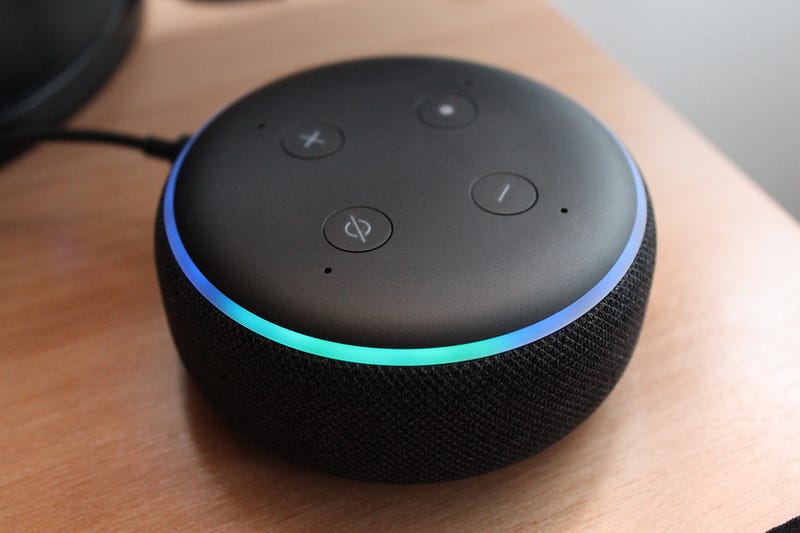
One of the most noticeable ways AI is changing our daily lives is through personal assistants. Alexa from Amazon, Siri from Apple, and Google Assistant from Google are becoming increasingly popular and are being integrated into our homes, autos, and workplaces. These personal assistants utilize natural language processing and machine learning to understand our instructions and carry out tasks. These assistants can also learn about our preferences and behaviors, allowing them to give more personalized recommendations and experiences.
In my personal capacity, many of my household appliances are handled by personal assistants and smart gadgets, whether it is the task of turning them on at a specific time or tracking the amount of electricity used.
Conclusion
AI is changing our world in ways we never imagined. AI developments are making our lives easier, more efficient, and smarter, from personal assistants to self-driving cars, healthcare to finance, and education to agriculture. As technology advances, we should expect to see even more ways in which AI will touch our world in the future. It’s also crucial to realize that AI is a tool, and like any other tool, it may be utilized for good or evil. As we continue to incorporate AI into our daily lives, we must evaluate the ethical implications of this technology and ensure that it is used responsibly and beneficially. AI has the potential to improve human lives and solve some of the world’s most urgent problems if implemented correctly and ethically.
Note: I am a data scientist by profession and have worked on a lot of mentioned problems in my day-to-day work. I will be sharing my experiences and learnings in my blog posts — so please follow/subscribe if you are interested in knowing in-depth details of how the algorithms are developed, scaled, and production sized.
References:
- https://link.springer.com/article/10.1007/s11845-021-02730-z
- https://www.insiderintelligence.com/insights/ai-in-finance/#:~:text=AI%20is%20particularly%20helpful%20in,underwriting%20and%20reduce%20financial%20risk.
- https://global.hitachi-solutions.com/blog/ai-in-retail/#:~:text=Inventory%20Management%20%E2%80%93%20AI%20in%20retail,%2C%20merchandising%2C%20and%20business%20strategies.
If you have read so far, a big thank you for reading! I hope you find this article to be helpful. If you’d like, add me on LinkedIn!
Good luck this week, Pratyush


