
The Fruit Odyssey: From the Forest to the Market
One of the motivation to conserve biodiversity is its future use by human society. In the future, we will be able to find potential medicines or food sources in the conserved wild plants and animals. This medicine may be the cure for cancer or this fruit may be the next sweet and juicy beloved snack.
If you go in your local supermarket, you will witness the general poor biodiversity of fruit on display. 10 or 20 different types of shiny fruits may already amaze you, however you need to know that the agricultural biodiversity is way richer than this. For example, there are over thousand varieties of bananas growing in the world, nonetheless 99 % of the bananas sold in Europe come from only one variety. Few of the worldwide agricultural biodiversity attracts a high customer demand.
According to the Food and Agriculture Organization, 75 % of human diet relies on 12 plant and 5 animal species. The loss of one of these species is dangerous for our food security i.e the capacity to meet our daily nutrient requirement and stay healthy.
The most eaten banana in Europe is the Cavendish variety. If it disappears, we won’t have bananas anymore.
To ensure food security it is important to diversify our diet and, as the French government recommends, “eat 5 fruits and veggies a day”. We need to find new sexy juicy edible fruits to increase the diversity of fruits in the supermarket and in our plates.
Can you imagine the adventurer wandering in the tropical jungle to find the new trendy tasty fruit?
This adventurer exists, it is a taxonomist. A taxonomist is a scientist who dedicates his life to the discovery and classification of new species. More than 1.6 million species have been discovered and according to scientific prediction, 10 times more are existing on Earth. For this reason, the classification of all living things is a herculean task. The taxonomist classify species depending on their similarities between each others, these similarities can be physical, chemical, genetic etc. Due to technological progress, species classification often changes. This makes the task looks more like a Sisyphean task, bringing a huge rock at the top of a mountain, watching it roll down and bringing it up again.
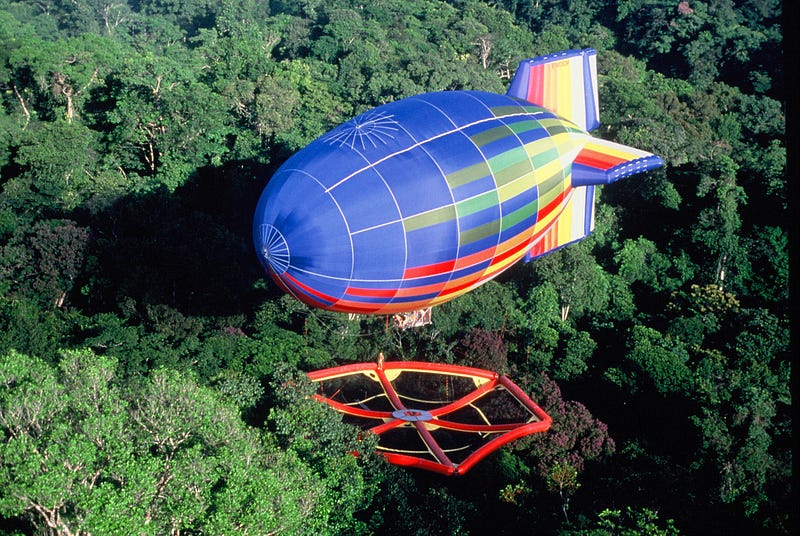
In 1986, in the French Guyana, scientists created a research station in the middle of the Amazonian jungle. Scientists, mostly French and European, are living there all the year round to monitor the change in plant and animal species of the forest. From this station, expeditions are started with the goal to explore deeper the Amazonian vegetation and discover new species. On the field, the taxonomist really looks like an adventurer, she has to go through a dense vegetation in a warm and humid environment, walk on slippery slopes and climb giant trees. It’s hardly restful and can even be dangerous.
According to the State of the World plant of 2016, it exists about 391 000 known plants. About 31 000 of them have a human use as medicines (28 000 species) or food (5000 species). About 5000 plants are also relatives of crop species which makes them valuable to solve future genetic weaknesses. The study estimated that one fifth of all plant species are endangered and cited on the International Union for Conservation of Nature red list. Each year, about 2000 new plants are discovered, few of them have a human use and even less bear edible fruits. The three countries where most of the new plant species were registered in the last decade are Australia, Brazil and China.
Getting the help of locals is almost mandatory to find new fruit tree species, scientists from Europe have to cooperate with local experts who sometimes don’t speak English but better know the local plant community. Finding new species takes a long time and require a deep and complete knowledge about the native vegetation.
Discovering an edible fruit tree among all the undiscovered species is like looking for a needle in a haystack, it’s very unlikely. Moreover a new fruit from the wild will be hardly edible. All the fruits we are eating today are the result of the hard-work and patience of our ancestors who tamed those plants during generations. A fruit needs time to coevolve with human and responds to his desires: a juicy sweet flesh.
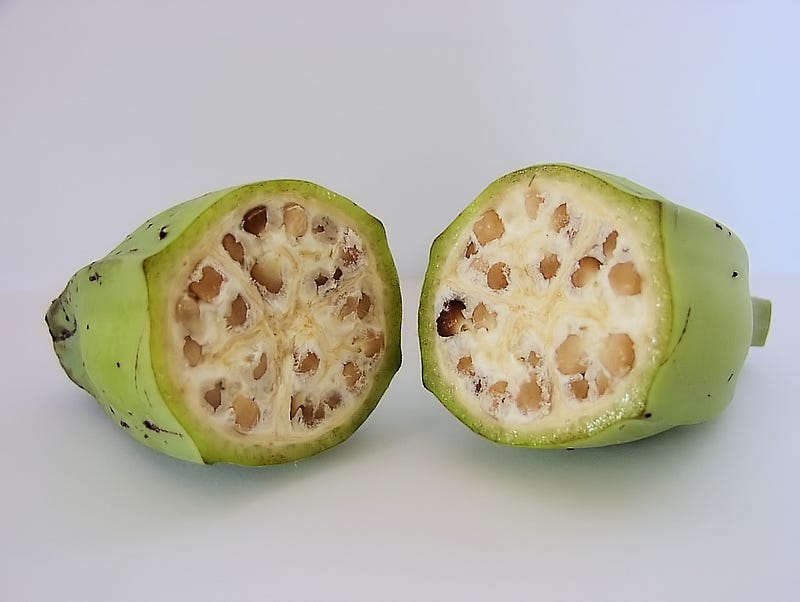

On one side, human don’t care about fruit seeds, they are only interested in the flesh and its nutritional properties. On the other side, the tree doesn’t care about the flesh and taste of its fruits unless it enables him to disperse its seeds far away and have descendants in new areas. From the human point of view, wild fruits are terribly unattractive and can’t be sold. That’s why the ethnobotanist works with local farmers and gardeners to identify crop relative plants and incompletely tamed fruit trees. The ethnobotanist can focus the conservation effort on half-tamed fruits and convince the farmers to keep these perennial species.
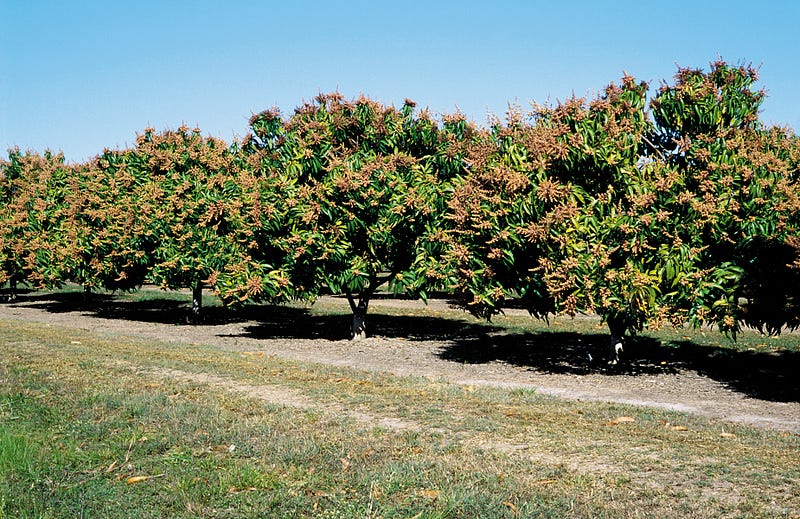

An agroecosystem made of perennial species has advantages such as a long productive lifespan and low workload for maintenance, however it also has drawbacks such as a long startup period before the first harvesting and a difficult tree propagation. Local communities often consider the drawbacks as more important than the advantages, that is why they abandon the perennial plantation and start annual and seasonal cultures. The farmers who continue to cultivate perennials often grow monocultures. A monoculture has only one variety of tree and therefore doesn’t contribute to maintain the biodiversity of cultivated plants. This change in agricultural practices explains why wild fruit trees are rarely valued by the people. Furthermore wild fruits may be viewed as the food of the poor and as a symbol of rural poverty. People who want to show off their wealth avoid to cultivate or buy these fruits. This decreases the interest farmers have in conserving these fruits because they don’t bring a sufficient income. In the case, the wild fruit tree doesn’t show any utility for the rural community, it is cut, used as fuel and replaced by other more economically rewarding plants.
In general, 3 factors threaten wild fruit trees:
- Land use change because farmers increase their cultivated area at the expense of the natural forest where wild fruit trees were preserved.
- Invasive species because with the increase of human movements and exchanges, invasive species come in the wild and sometimes outcompete the native plants provoking their local extinction.
- Climate change because it is not only raising the temperature but also creating more frequent meteorological extreme events such as tropical storm, drought and flood.
To conserve these perennial underutilized species it is crucial to educate farmers, get them involved in participatory conservation projects and raise their awareness about the value of the diversity of wild fruits. For generation, many farmers have cultivated unknown fruit trees and today some continue to do it with diverse motivation. For example, they may have inherited the tree species from their parents and are emotionally bound to it, or the tree may have a religious meaning or importance for the community. Those farmers give an intrinsic value to the existence of wild fruit trees and thanks to their effort thousand of varieties and species are preserved. However there are farmers who want to get a monetary value out of wild fruits. To convince these farmers who are the majority, the ethnobotanist has to give them entrepreneurial skills and transform the fruit into an interesting product for customers.
They are different ways to trigger the interest of people for a fruit. A chemical analysis of the fruit may show its nutritional value, its richness in healthy oligoelements and antioxidants. With a good communication and advertisement, it is possible to make urban dwellers grow an interest for a fruit they previously consider as food for the poor. In addition, a variety of products can be derived from the fruit, for example candies, drinks and pickles… These are other opportunities to reach curious customers ready to try new flavors and textures.
Two innovative methods exist to value and protect a fruit tree. The first one is the geocertification, which consists in a label put on a product to tell the customer that the product is from a specific place. The most famous example of this method is the champagne which can be called “champagne” only if the grapes used to make it were grown in the region of Champagne in France, otherwise it is called a sparkling wine. Customer value the origin of the primary ingredient and they are willing to pay a premium to contribute to the conservation of the environment. It can be difficult for the farmer to create or find the good certification, that’s why he often needs advice from a marketing expert.
The other method is the agrotourism. As foreigners are looking for an authentic experience of the local life, farmers can work with tourism agency and create a guided tour of their farm. In this tour, tourists can see how locals are living. They can also try to do the farming work and taste the products made by the farmers. This method needs the farmers to cooperate and coordinate their activities so some farmers take care of the tourists while the others continue their usual work on the field.
These methods improve the livelihood of locals by increasing their income, therefore farmers are willing to conserve wild fruit tree species in-situ on their field.
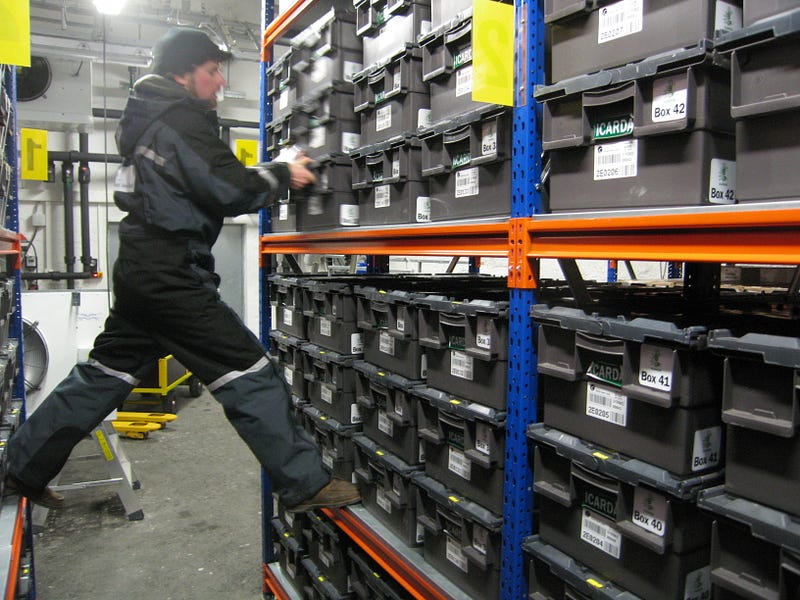
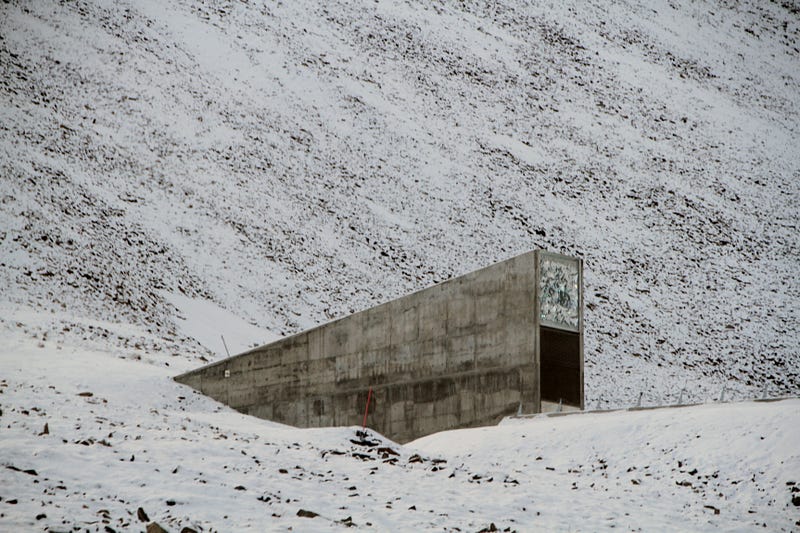
In the case farmers refuse to grow wild fruit trees and it’s not possible to conserve the plant in-situ anymore, plants can be conserved ex-situ. Ex-situ, the plant is not grown on the field but conserved in seed banks. Seed banks are buildings where germplasms for example seeds, pieces of root or stem are preserved in cold condition. Worldwide there are about 6 millions samples of different species and varieties of crop or non crop plants preserved in more than 1300 gene banks. These banks are particularly convenient when the natural environment of the plant was destroyed. In the future, if the environment become available or if we need the plant, the seed can be sown again. Genes from those plants are also an opportunity for future genetic improvement of economically important crop plants. However Genetically Modified Organisms are still a topic under strong debates in the civil society. People have to be convinced of the safety of GMO before any engineered product reach the market. The global change in water cycle, soil fertility and CO2 concentration may force people to accept GMOs quicker than expected.


.jpg)

Finding and conserving the biodiversity of fruit trees that Nature provided us is not an easy task. Pleasing the international market with a new fruit is even harder. A fruit sold worldwide needs a mass production meaning a huge area of land covered by highly productive trees. It also needs to be cheap to produce which means a highly efficient land and water use, and a low requirement in fertilizers and pesticides. The fruit also has to be shippable which means a resistance to shocks and a conservation condition requiring low energy consumption. It also should be possible to ripen artificially the fruit to differ its use and better answer the volatile customer demand.
Let’s take the example of the Cavendish banana. The tree is a fast growing plant, it can be multiplied simply by cutting a stem from a tree and planting it somewhere else. In addition, the banana plant needs few land and water.
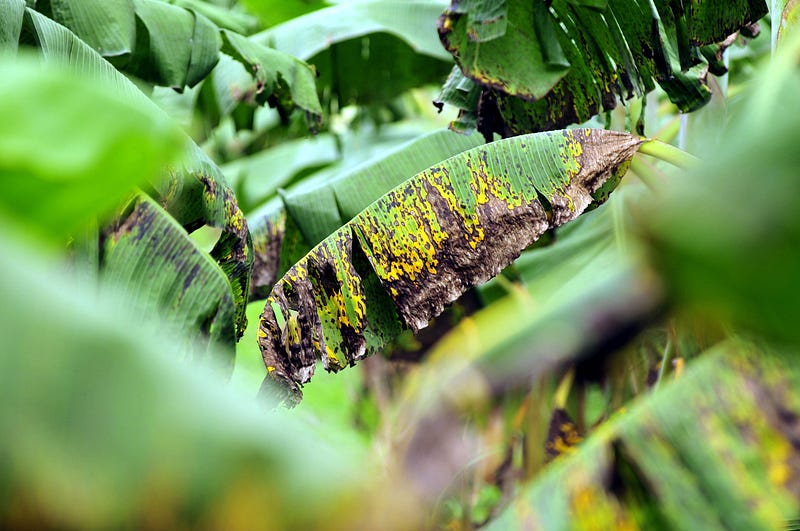
Recently a resistant fungi forced farmers to spray about 50 times on their plantation. The use of this fungicide is expensive and can represents about one fifth of the crop value which significantly decrease the farmer’s income. Bananas are shipped by boat and can be conserved at 13ºC for a long time. When people ask for bananas, fruits are artificially ripen with ethylene and sold on the market. The capacity to artificially ripen the banana enables retailers to always have stocks of bananas to supply the demand.
.jpg)
Finding a new product, a new fruit to sell on the global market is the dream of all entrepreneurs. It’s like hitting the jackpot! However marketing a fruit is not only about money but also about enabling the future conservation of this fruit species and its relatives. A plant species who reached the market is a plant which will survive on the long term, because you know…money. Marketing is a strong tool to convince different actors to invest in biodiversity conservation. In our market society, marketers have the power to make people value things or not The ecosystem service argument of “future option value” has to be proven, and in our market society, only marketers can prove it.