
The Frequency of Fast Food
And our insatiable cravings for more
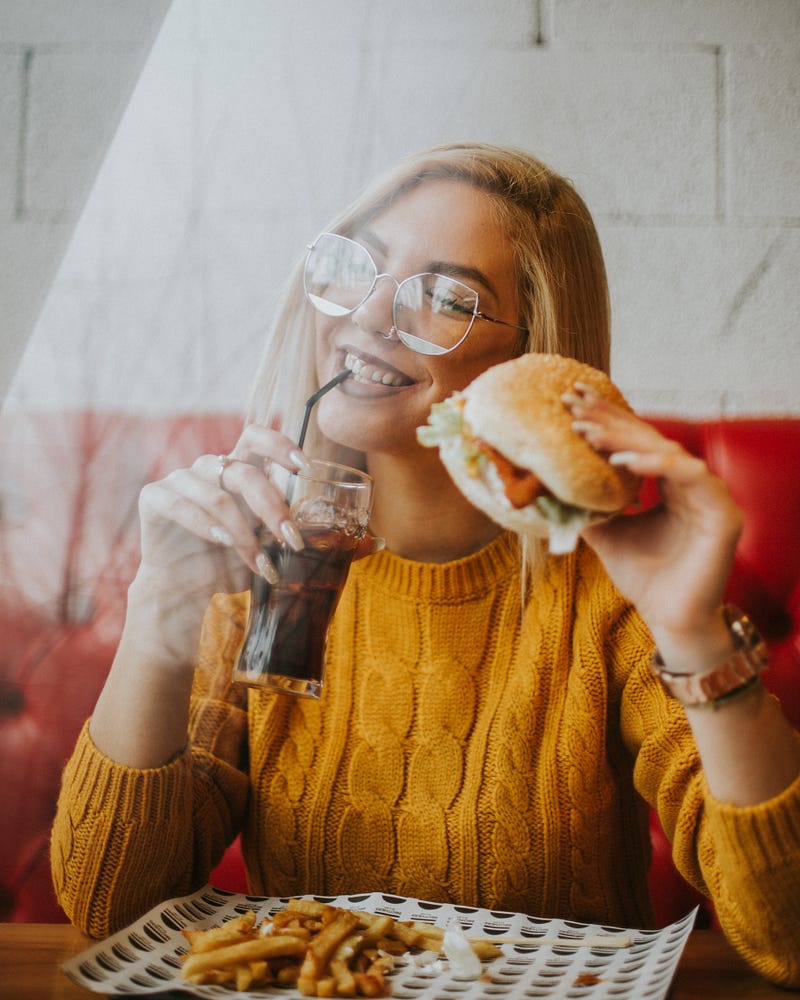
All food is fast food, isn’t it?
It sure seems that way, with the proliferation of restaurants and food establishments that cater to those who have to budget their time. And let’s not forget about food trucks. Heck — there’s even a whole TV industry built up around this recent phenomenon.
Just decades previously, there were two kinds of dining out establishments: the ones where you drove up — literally — and ordered your food and very quickly, it would be served to you, or you’d take it “to go,” end of story. In this category were the tried and true “fast food” classics: the McDonalds, the Burger Kings, the Dominos.
The other type of food establishment was a bit more upscale, ranging from casually family style to all-the-way chi-chi, requiring one to put on their finest just to get through the door.
This dichotomy of eating establishments was appreciated by all, as it allowed us to separate our food choices and excursions into binary elements. You either grabbed some fries and a burger and called it a day, a la “fast food,” or you put on your pearls, your hoop skirt and your most ingratiating smile and walked elegantly into the new, tony restaurant. No takeout at the latter; you were expected to clean your plate while there.
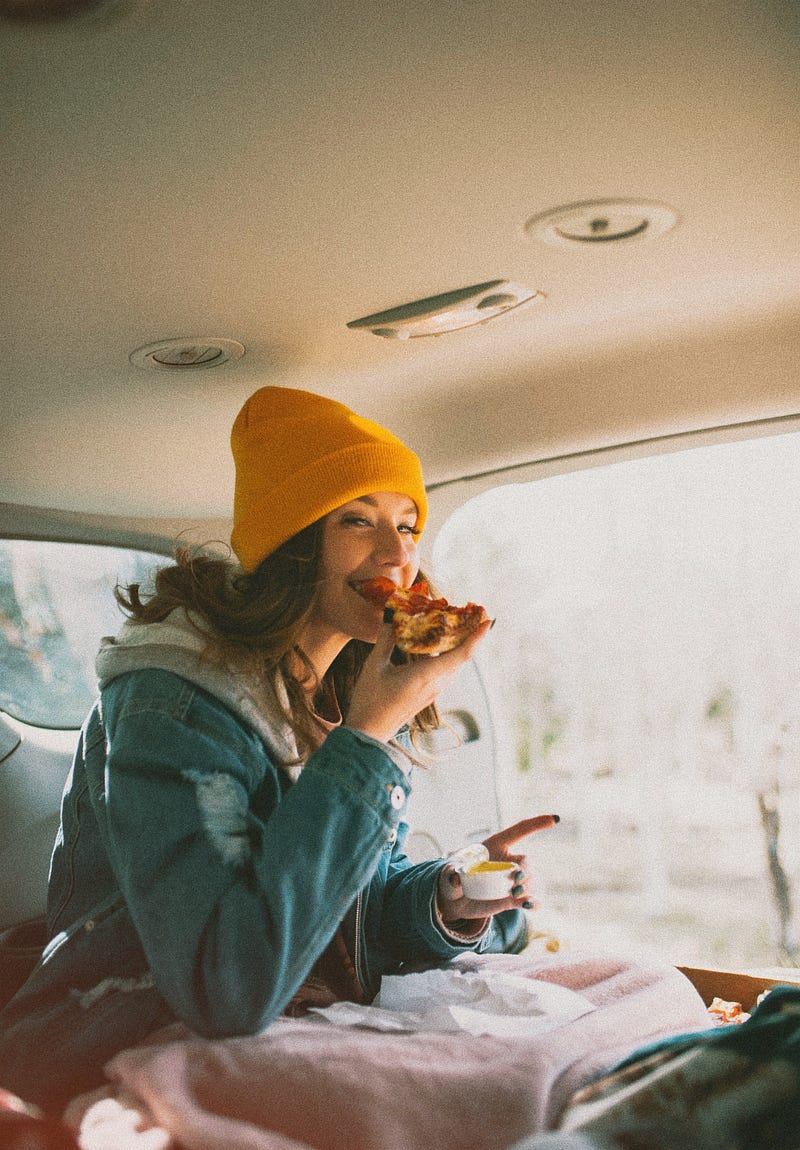
Sometime over the last 40 years or so, the range of food options for busy diners expanded. Families found themselves having less time to have dinner together (perhaps to women’s increasing move to working outside the home as well as inside), and wanting places where they could replicate dinner at the family table. These middle-of-the-road restaurants filled a need that busy parents had: to feed their families quickly and inexpensively, and to give themselves a break from the drudgery of cooking every day.
Enter the fast-paced, digital world that we have surprisingly embraced in the past 20 years. With the advent of the Internet, digital communications and the 24/7 news cycle, the pressure was on. “Work” no longer meant nine-to-five, not when we were all accessible around the clock. Decidedly, some things fell by the wayside in order to meet those corporate deadlines. Cooking for the family was one of them.
So now, we’re in a place where eating has become a function of utility rather than enjoyment.
So now, we’re in a place where eating has become a function of utility rather than enjoyment. After all, when you’re on the clock most waking hours, who has time for a long and leisurely dining experience?
Enter fast food.
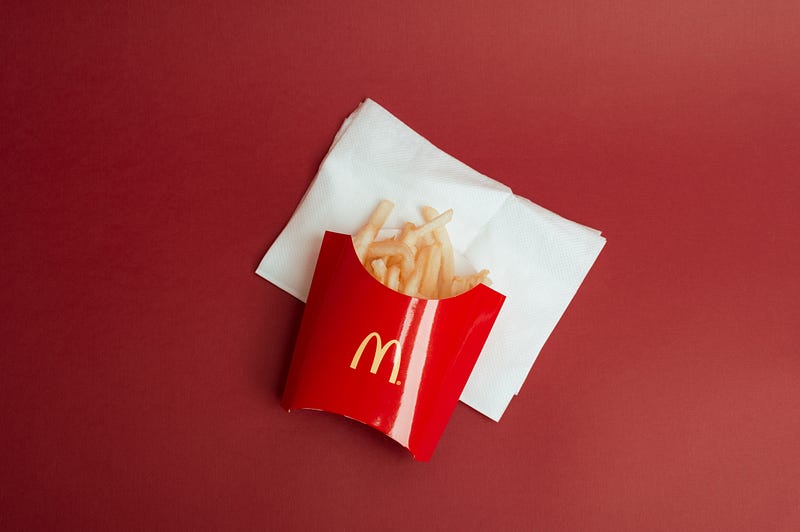
There must be a reason that McDonalds, Burger King and similar franchises seem to be having a resurgence in these modern times. Is it because faster food choices allow us more time to devote to work, play and other pursuits, freeing us up from the drudgery of everyday cooking?
Faster food choices allow us more time to devote to work, play and other pursuits, freeing us up from the drudgery of everyday cooking.
This is likely the case. Today’s range of opportunities in terms of work, leisure, entertainment and more are truly spectacular; who wants to waste their time grocery shopping, cooking and meal planning when more interesting pursuits beckon?
Who wants to waste their time grocery shopping, cooking and meal planning when more interesting pursuits beckon?
It appears that our collective need to grab a bite on the go has fuelled the growth of more recent food genres to the fast food bandwagon. In more recent times, the range of fast food has expanded exponentially.
Sushi. Mexican. Thai. Indian. All of these once-exotic food choices can be yours both quickly and inexpensively. The smorgasbord of choices available is only food for thought for those who have the difficult choice of what they’re going to eat on any given day.
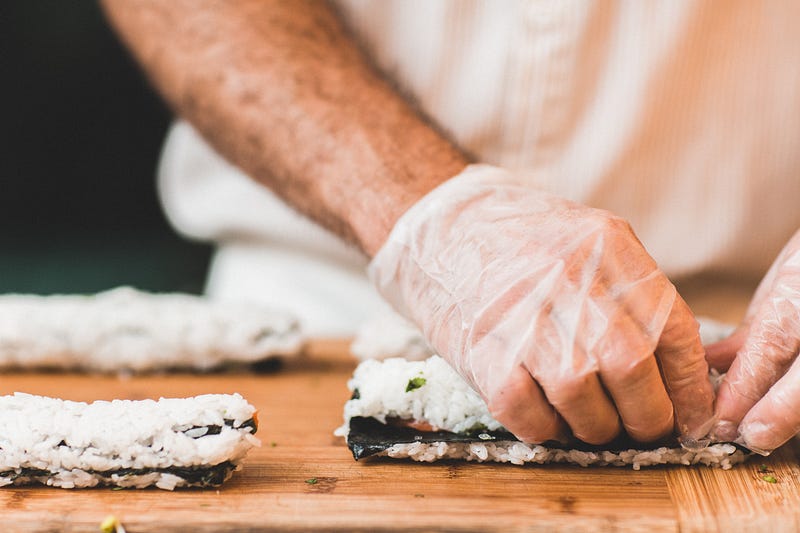
The smorgasbord of choices available is only food for thought for those who have the difficult choice of what they’re going to eat on any given day.
Not surprisingly then, we’re chowing down — quickly — and more often than ever before. To this end, perhaps we need to redefine our perceptions of what “fast food” is in today’s world.
It may be argued that all food is fast food, as the demand for immediate relief for our food cravings are there for the taking. Ask and ye shall receive. Uber Eats and similar services are at your beck and call. And the options are only going to increase in the coming years.
So what does this mean for us as a society?
Perhaps it’s a signal that we need to slow down, just a tad, and enjoy some of the more simple pleasures that were once commonplace.
Perhaps it’s a signal that we need to slow down, just a tad, and enjoy some of the more simple pleasures that were once commonplace.
A leisurely Sunday morning brunch. A family dinner, complete with laughs, experience and bonding, unencumbered with time restrictions. A voluntarily solitary meal, allowing us to slow down, regroup, reflect and perhaps have time enough to stop and smell the coffee. Sounds lovely, doesn’t it?