
The French Colonisation of the Caribbean and the Legacy of Slavery
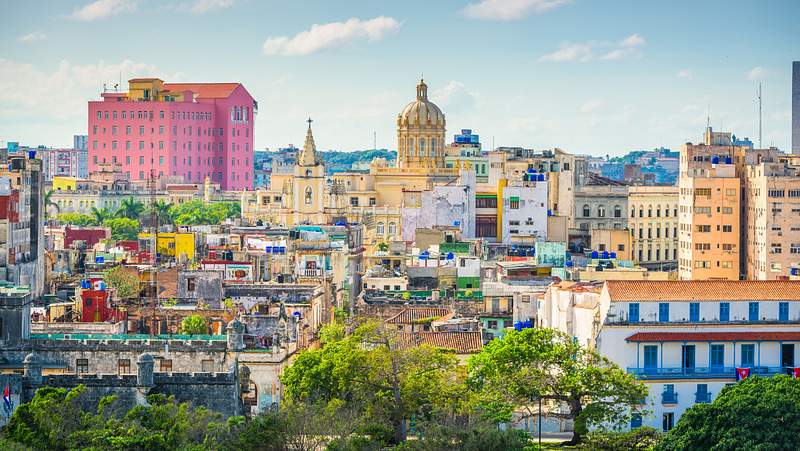
The French colonisation of the Caribbean, stretching from the late 17th to the early 19th century, was a significant phase in the global history of imperialism and exploitation.
This era was marked not only by European territorial ambitions but also by the establishment of a ruthless system that would leave an enduring mark on the islands: slavery.
In the 17th century, French adventurers began to establish footholds on the islands of the Caribbean.
Lured by the potential of sugar, tobacco, and other tropical crops, the French, alongside other European powers, endeavoured to make the Caribbean a pivotal part of their burgeoning colonial empires.
As these agricultural enterprises flourished, the need for an extensive and cheap labour force became evident. This necessity gave rise to one of the darkest chapters of human history in the region — the introduction and expansion of slavery.
Slavery in the Caribbean, primarily involving the forced transportation and labour of Africans, was characterised by its sheer brutality and inhumanity.
The French Caribbean became a significant endpoint of the Atlantic slave trade, changing the islands’ demographic, social, and economic structures profoundly.
The Inception of French Colonial Ventures
While the dawn of French colonial ventures in the Caribbean was somewhat sporadic and contingent on the ambitions of individual explorers and adventurers, by the late 17th century, the French Crown began to take a more deliberate interest in the region.
This shift was driven by the inherent geopolitical competition with rival European powers, primarily Spain and England, alongside a growing awareness of the immense economic potential these tropical islands held.
By the mid-1600s, Cardinal Richelieu, seeing the wealth that Spain had amassed from its colonies, established the French West India Company, aiming to consolidate French control over the region and maximise profits.
This crown-chartered company was entrusted with the administration, defence, and economic development of the French territories in the Caribbean.
In the islands under French control, the initial agricultural endeavours centred around crops that were less labour-intensive and easier to grow, including tobacco, indigo, and cotton.
These ventures provided decent profits, but nothing that could compare to the financial windfall that sugar promised.
As European palates became increasingly enamoured with the sweetener, the transition to sugar cultivation became an economic inevitability.
The ecological transformation was rapid. Dense tropical forests were cleared to create vast sugarcane fields. Ingenious irrigation systems were developed to water these expansive plantations.
The colonial urban landscape began to evolve as well, with port towns burgeoning to handle the increasing volume of sugar exports to Europe.
These port towns became major urban centres, replete with warehouses, processing facilities, and merchant quarters.
The islands also became more stratified, with a clear demarcation between the European plantation owners, known as ‘plantocrats’, and the indigenous populations and later imported labourers.
As the demand for labour skyrocketed, the French, much like other European colonisers, turned to the most abundant and forcibly accessible source of labour: Africa.
This decision to lean heavily on enslaved Africans would have lasting repercussions, not only for the French Caribbean but also for the broader Atlantic world.
Cultural Resilience Amidst Oppression
The heart-wrenching experience of enslavement could not obliterate the deeply rooted traditions, beliefs, and practices of the African slaves.
Even under the harshest conditions, people clung to and found solace in the remnants of their ancestral heritage.
This not only offered them a psychological refuge but also became a silent form of resistance against the suppressive colonial regime.
Music became a powerful conduit for the expression of pain, hope, and longing. Through songs, slaves recalled their homeland, remembered past lives, and relayed stories from one generation to the next.
These melodies often bore secret messages, coded in lyrics that the colonisers couldn’t fathom, thus enabling communication and sometimes coordination among the enslaved.
Religion, a cornerstone of any society, underwent transformation and adaptation in the Caribbean.
While being exposed to Christianity, enslaved Africans did not discard their native spiritual beliefs. Instead, they incorporated Christian symbols and rituals into their own practices, leading to the emergence of syncretic religions.
These hybrid faiths, including Vodou in Haiti and Obeah in Jamaica, encapsulated the resilience and adaptability of enslaved Africans.
Festivals and gatherings, often under the guise of Christian celebrations, were important for enslaved communities too.
These events acted as gatherings where the enslaved could find solace in each other’s company, pass down stories, and instil hope for future generations.
Often there was subtle mockery of the colonisers by using their own religious holidays as a veil for truly African celebrations.
Food was another realm of preservation, with enslaved Africans taking what little they had, mixed with memories of home, and created dishes that would become integral to Caribbean cuisine.
Meals became more than just sustenance; they were a connection to a world left behind.
Towards Emancipation
As the dawn of the 19th century approached, the global economy was undergoing transformation.
Technological advancements during the Industrial Revolution were reshaping traditional labor structures and dependencies.
Cotton, as opposed to sugar, was becoming an increasingly sought-after commodity, influencing economic dynamics in colonies.
Consequently, the profitability of sugar plantations, which had relied heavily on slave labour, was now being questioned.
The Enlightenment era in Europe also brought with it revolutionary ideas about liberty, fraternity, and equality.
Intellectuals and philosophers began challenging the moral and ethical foundations of slavery.
The barbaric treatment of slaves, which had once been normalised, was now being criticised in salons and publications throughout Europe.
The Haitian Revolution (1791–1804) was also a turning point not just for Saint Domingue but for the entire Caribbean — enslaved Africans, inspired by the principles of the French Revolution, led a revolt against their oppressors.
Under leaders like Toussaint L’Ouverture, they managed to overthrow the French colonialists, leading to the proclamation of the independent Republic of Haiti.
This was a momentous event — the first time a slave revolt had led to the formation of a state.
The tremors of this revolution were felt in every corner of the Caribbean and served as a beacon of hope for enslaved Africans everywhere.
The stories of cruelty and the brave resistances by slaves began to make their way to mainland France.
There, abolitionist movements began to gain traction.
Societies like the “Société des Amis des Noirs” (Society of the Friends of the Blacks) campaigned vehemently against the transatlantic slave trade and slavery.
Their activism, combined with firsthand testimonies from former slaves, played a critical role in swaying public opinion against the institution of slavery.
By the mid-19th century, the clamour for the abolition of slavery was deafening. The undeniable spirit of resistance within the colonies, especially in the wake of the Haitian Revolution, highlighted the resilience and determination of the enslaved.
This spirit, coupled with consistent pressure from abolitionist movements, forced the French government to reconsider its stance on the issue.
Recognising the changing tides, and amidst internal and external pressures, the French government took a monumental step — slavery was officially abolished in the French colonies in 1848 through the decree of the Provisional Government of the Second Republic.
However, this historical moment, while celebrated, did not automatically rectify centuries of racial discrimination and exploitation.
While slavery was legally dismantled, the scars it left behind — both on the land and its people — were deep and enduring.
The end of forced labour did not instantly translate into social or economic equality. Former slaves found themselves navigating a world where they were technically free but still shackled by racial prejudices and socio-economic disparities.
These challenges, remnants of a brutal past, continue to define the legacies of French colonisation in the Caribbean.
Lasting Impacts
Today, the Caribbean still grapples with the legacy of French colonisation and slavery. The racial hierarchies established during colonial times persist in various forms, with Afro-Caribbean populations often facing socio-economic challenges.
However, the cultural legacy of this dark chapter is also profound. African influences are deeply embedded in Caribbean music, dance, cuisine, and religious practices, showcasing the region’s and people’s resilience.
In sum, the French colonisation of the Caribbean and the institution of slavery have left an undeniable mark on these islands.
From the flourishing sugarcane fields to the vibrant cultural festivals, the shadow and the light of this history shape the modern day Caribbean’s pulse.