The Foulest of the Fowls
Are they migrants or vagrants? Should they be culled for abusing the kindness of their host country?
Lest you accuse me of baiting you with a controversial headline, let me assure you. That isn’t so.
Clickbaits are mostly past their cheat-by, er, I mean sell-by date. Readers could only be tricked once or twice. Once they are clued in on who the writers are using clickbait headlines to fish for reads, the ruse will be up. And even if readers click on the story link of a known clickbaiter, they would check the story with a raised eyebrow, ready to swear.
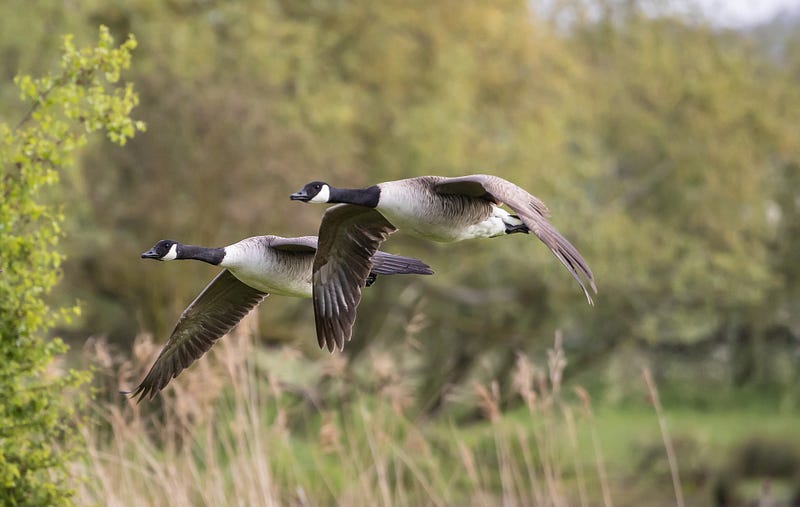
The “migrants” being referred to in the story are natives of North America. Most varieties are born in Canada. They’re the migratory kind — until some no longer wanted to budge from the host country where they have migrated.
They have become permanent residents — and how!
The Canada Geese
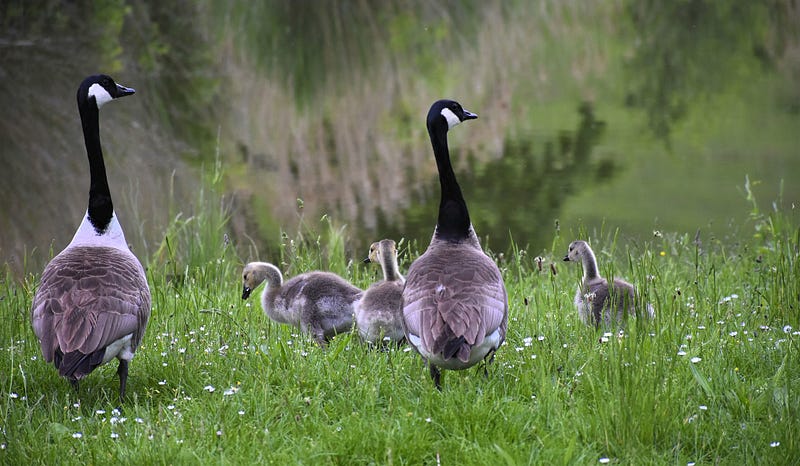
The most common and most abundant goose in North America is the Canada goose. They are divided into six subspecies, with one sub-species being unlike the rest of the migratory fowls.
The vast majority of them migrate to warmer climates during winter.
They fly in autumn and winter to the middle or south of the US, to their non-breeding sites to avoid the cold. They then return to their Canadian nesting grounds — the same sites — in spring and summer.
If you’re curious if migrating geese fly non-stop to their destination, the answer is no.
Like humans traveling on long-haul flights, migrating geese have stop-overs in various resting points. And the places for their layover remain mostly the same.
The Resident Canada Geese — UK and US Permanent Residents?
One of the six subspecies of Canada goose is the non-migratory one. These are the Canada geese that were born in warmer regions in the US. Since the climate is comfortable and there are lots of food to be had, why should they return to their place of birth or their parents’?
In the UK, the resident fowls are not migrants. They can be found almost throughout the UK except in the north of Scotland.
The Canada geese were first introduced to the UK by King Charles II around 1660. They were added to the wildfowl collection in St James’ Park in London. With this Royal connection, the fowls became popular with the landed gentry, country estates, and country gardens with lakes and ponds across England.
They spread across the UK after WWII. In some areas, they became pests as they congregated in large numbers, causing damage.
Notwithstanding the above, the Canada geese, along with all wild birds in the UK, became a protected species under the Wildlife and Countryside Act, 1981. According to the Royal Society for the Protection of Birds, there are 62,000 pairs of breeding Canada geese and 190,000 individual birds wintering in the UK.
‘The Most Loathsome Bird in Britain’
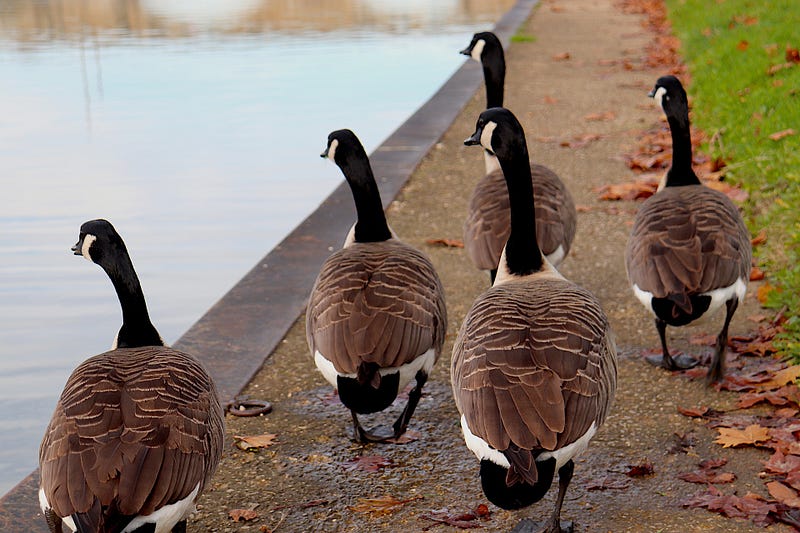
In the UK, the Canada geese have caused damage and problems. Some of these problems, according to Natural England, are the following:
- Fouling with droppings as they need to eat large quantities of vegetation; they produce droppings once every six minutes
- Their droppings are harmful as they contain bacteria
- Droppings passed into the bodies of water may lead to possible toxic algal blooms and low oxygen levels in the water
- Damage to the habitat of other wildlife, such as grazing or trampling nesting sites of other bird species
- Significant destruction of waterside habitat, such as reed beds that could result in the erosion of river banks
- Severe damage to amenity grassland in public parks where the Canada geese, being herbivores, feed and roost all year round
- Unhygienic areas of mud and droppings
- Trampling of graze pastures and crops leading to farmers’ huge losses
- Birdstrike hazards to aircraft, with the aviation industry, continuing to express concern about the increasing numbers of Canada geese on water bodies near aerodromes.
Whether or not a joke, a well-known British journalist referred to the Canada geese as the most loathsome bird in Britain.
Should Canada Geese Be Eaten?
If you do an online search for recipes using Canada goose for meat, you will be surprised at the sheer number of hits you will get.
When Prue Leith, renowned chef, TV broadcaster and presenter, cookery writer and novelist, cooked an omelet from newly-laid eggs of the Canada geese nesting near her garden pond, she came under suspicion of a possible crime.
As the Canada geese were protected species, taking their eggs would be protected, too. But note that while the Canada geese are protected, they can be legally hunted in the UK during the open season: between 1 September and 31 January, or 20 February except on Sundays.
Or the eggs of the wild birds could be taken and destroyed if one is — “trying to prevent serious damage to livestock, foodstuffs for livestock, crops, vegetables, fruit, growing timber, fisheries or inland waters; seeking to preserve public health; ensuring the air safety of neighboring aircraft.” (pp 1–2, Natural England Technical Information, Note TIN009)
They Were Fed to the Homeless in the US
In Washington, D.C., 100 pounds of meat from Canada geese were donated by the National Park Service (NPS) to an organization that prepares food for distribution to homeless shelters, rehabilitation clinics, and after-school programs.
The 116 Canada geese were captured (and later euthanized) by the NPS in Anacostia Park. It was done as part of the effort to manage the park’s wetlands. It was noted that it was the second year of NPS donating goose meat to the organization.
In Denver, the city was culling Canada geese and donating the meat to the needy to address the increasing population of the fowls.
While the species is protected under the US Migratory Bird Act, it was emphasized that the cull was permitted by the government. The Canada geese had destroyed vegetation, created sanitation issues, and caused the rising “human-wildlife conflicts” in Denver.
Parting Thoughts
Criticisms against culling (by eating or feeding to the homeless and needy) of the Canada geese were to be expected. I, myself, could not imagine eating a dish of this bird even if grilled with teriyaki sauce.
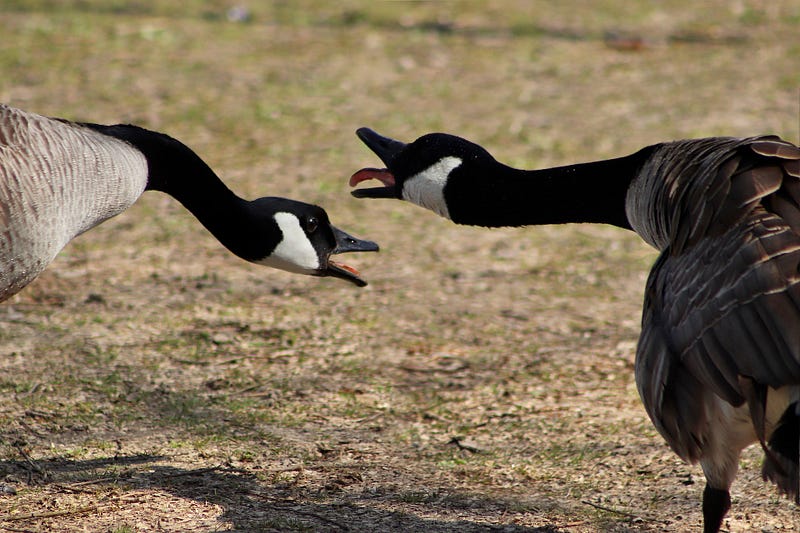
Taking walks is a pleasure for me, especially where there are ponds and man-made lakes, or by the rivers and reservoirs, even the occasional marsh (in summer). The Canada geese are there, swimming, swarming, honking, threatening the humans if the latter come close to their goslings.
But the level of enjoyment is dulled as I have to do balancing steps, like in ballet, to avoid the foulest fowls’ droppings.
A Canada goose can produce up to 1.5 pounds of solid waste daily. Its droppings carry bacteria, parasites, and other pathogens that can be transmitted to humans, including avian flu.
Maybe send the resident Canada geese back to Canada?
That’s an idea. But Canada has its problems, too, with its Canada geese. According to Jim Leafloor, a biologist with the federal government’s Canadian Wildlife Service, there were about seven million Canada geese in North America.
This was the data available four years ago. There could be more — unless people had started to serve this bird on the dinner table.
Did you not wonder why there are so many Canada geese recipes available online?
Thank you very much for reading!
If you want to read more of my writings, you may check out the following ones.
- Is Poor Sense of Direction a Learning Disability
- Writers Who Do Not Read Are Poseurs
- Is It Silly Not to Monetize Your Blog?
You can share your outstanding stories and inspire others. Just click the below image and be a writer for The Masterpiece.