
The Fossil of a Giant Camel… In Canada!?
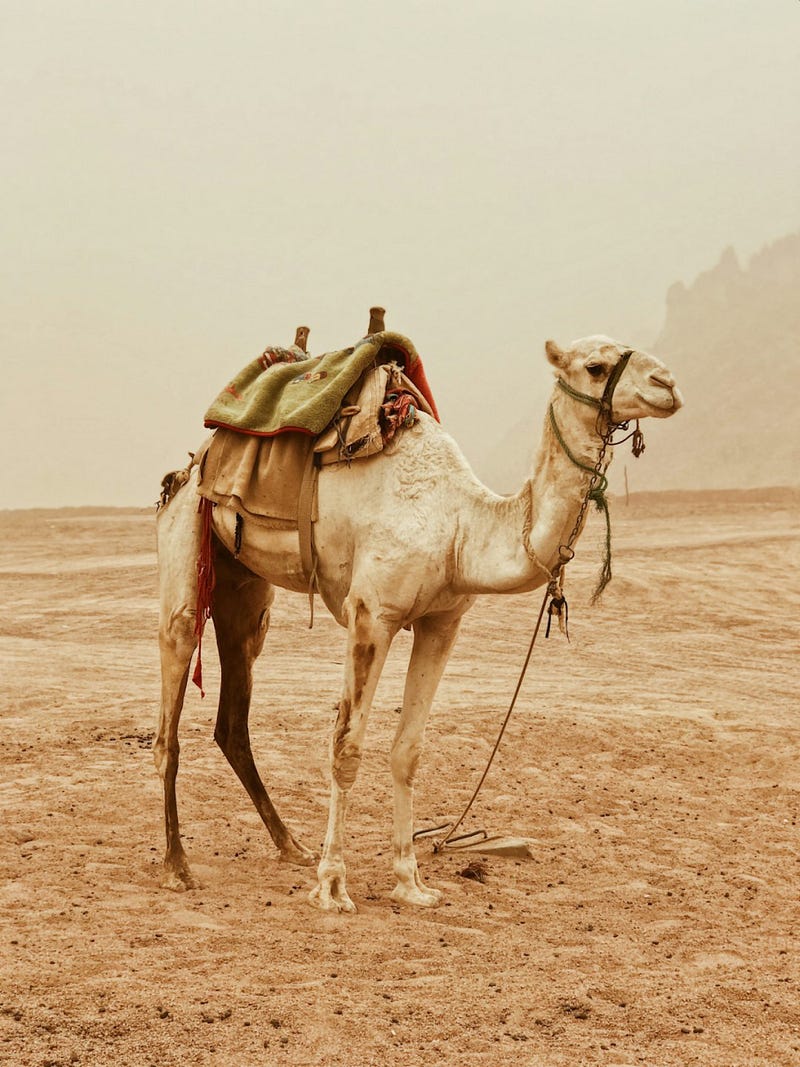
In the vast and intricate tapestry of Earth’s history, every paleontological find adds a new piece, revealing surprising details about creatures that once roamed our planet. Recently, in Canada, an extraordinary fossil was unearthed: a mammoth tibia attributed to a giant camel that lived approximately 3.5 million years ago. This discovery, besides capturing the imagination of researchers, sheds new light on a distant and fascinating past.
The fossil, boasting staggering dimensions, surpasses by over 30% the tibia of present-day camels, offering a clear indication of the imposing size of this prehistoric creature. It’s hard not to be captivated by the prospect of a giant camel roaming the Canadian lands in an era when the climate was much warmer than today. This find raises a series of fascinating questions about life and the environment in those ancient times.
One of the most astonishing aspects of this discovery is the contrast between the Pleistocene giant camel and its earliest ancestors. The oldest known genus of camel, Protylopus, dating back 40–50 million years in North America, exhibits sizes that might surprise many: akin to that of a dog. This disparity in size between the progenitor and its gigantic descendant raises intriguing questions about the evolution of these extraordinary animals over millennia.
But what led to the evolution of such a giant camel? It’s likely that climate change played a significant role. The abundance of food resources and the warm environment may have provided the ideal conditions for the growth of mammoth-sized creatures like the giant camel. This leads us to reflect on the intricate relationship between living organisms and their environment, a theme that remains at the forefront of scientific research.
This discovery highlights the importance of paleontological sites as windows into the past. Canada, with its rich geology and vast territorial expanse, provides fertile ground for scholars eager to unveil the secrets of prehistory. Every fossil found is a piece of the puzzle that helps us better understand the history of life on Earth.
The fossil of the giant camel’s tibia discovered in Canada offers us a fascinating glimpse into a forgotten chapter of our natural history. This find not only provides valuable insights into the evolution of camels but also invites us to reflect on our relationship with the past and the beauty and complexity of the natural world that surrounds us.
The discovery of a camel fossil in Canada may seem surprising, but it actually provides an intriguing glimpse into the region’s geological and climatic past. During the era when this giant camel roamed Canada, the climate of the region was much different from today. It’s estimated that around 3.5 million years ago, during the mid-Pleistocene, northern Canada experienced significantly warmer conditions than it does now.
During that period, North America was traversed by vast ecosystems, including temperate rainforests, savannas, and even extensive open plains. Temperatures were milder, with increased rainfall and a different distribution of land masses and oceans compared to today. This warmer and wetter climate would have provided a favorable habitat for a wide range of creatures, including large mammals like the giant camel.
Furthermore, during the Pleistocene, Canada was crisscrossed by an intricate network of waterways, lakes, and wetlands, which provided vital sources of water and sustenance for the local fauna. These aquatic ecosystems could have served as natural corridors for animal movement, allowing camels and other species to roam freely across the landscape.
The presence of a fossilized giant camel in Canada suggests that the region was once part of a vast and varied landscape that supported astonishing biological diversity. While Canada’s climate and environment have changed radically over millennia, fossils like that of the giant camel provide us with a valuable window into a remote past, allowing us to reconstruct and better understand the natural history of the region and our planet as a whole.