The Forgotten Story Of Japan’s Attack On The Great Wall of China
Modern weapons deployed on an ancient wonder
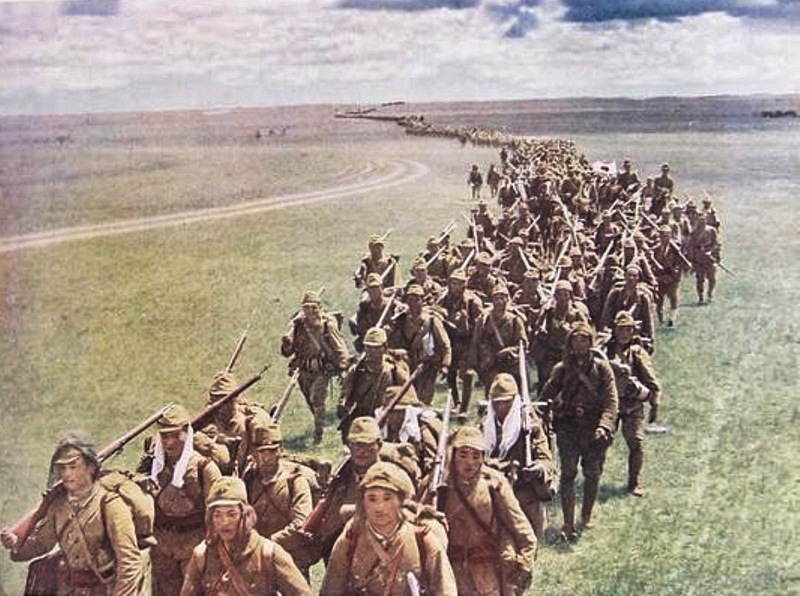
In the early 1930s, Imperial Japan began its quest to swallow the elephant that was China. They began absorbing parts of Manchuria with an eye on conquering all of China. Japan’s plan was to use the chaos in China (which was going through a civil war at the time) to lay the groundwork for their Asian empire.
The invasion of Manchuria began in 1931, and Japan quickly secured a large portion of territory, which they used to create a puppet state from which to launch future excursions into the Chinese mainland. After securing Manchuria, the Japanese quickly turned their eyes toward Inner Mongolia, a flat territory that butted up against the Great Wall of China and was within spitting distance of the historical city of Beijing.
The resulting campaign put Japan in combat against Chinese forces who were manning the Great Wall of China.
Moving South
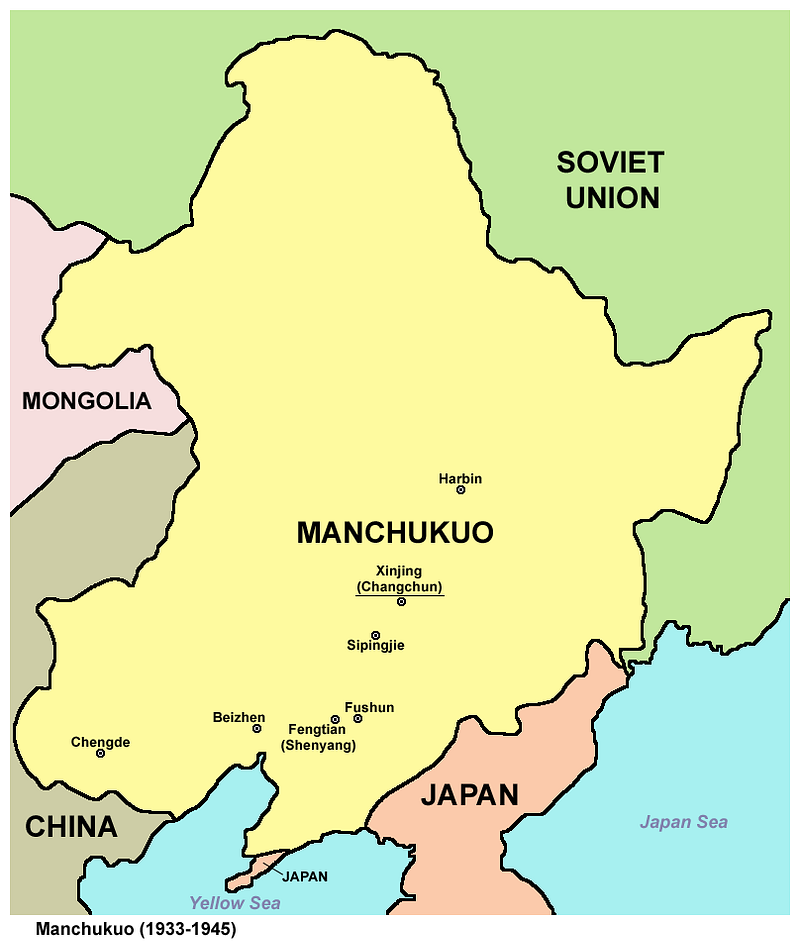
In 1933, the Japanese began a new offensive into new Chinese territory. The offensive was called Operation Nekka and targeted the old province of Rehe. The Japanese army drove south from Manchuria into a territory of Inner Mongolia, which stretched from the Yellow Sea up to the city of Chifeng.
Securing Rehe would give Japan extensive territory that was just north of Beijing.
In the vicinity was the Great Wall of China, which stretched from its eastern terminus at Shanhaiguan hundreds of miles to the west, north of Beijing.
Japan demanded that the military garrison guarding Shanhaiguan abandon their posts. The Chinese garrison refused. The offensive, paired with the entrenched Chinese forces along the Great Wall, quickly put Japan in one of the weirdest battles in modern history.
Battle For The Great Wall of China
In January of 1933, at the start of Operation Nekka, the Japanese attacked the Great Wall at Shanhaiguan. The assault featured ten tanks and four armored trains. The small Chinese garrison didn’t stand a chance. This was the first phase of a prolonged fight for the Great Wall.
Chinese forces dug in all along the Great Wall moved to defend the passes and repulse the Japanese. The problem was that the Chinese forces were completely overmatched. They were outmanned, outgunned, and outgeneraled. Many of the Chinese troops were deprived of ammunition and heavy weapons.
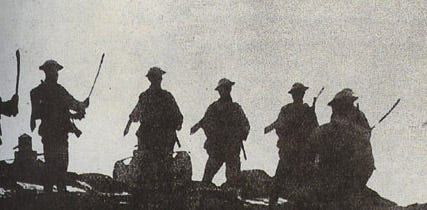
In March, Japan launched no fewer than 20 direct assaults on the Great Wall of China. Some garrisons didn't even have working rifles. Some Chinese troops defended the Great Wall with two grenades, a pistol, and a traditional sword. The unfolding scene was one that few remember. Chinese forces were stationed along the Great Wall of China, firing down at invading Japanese soldiers as artillery rounds fell around one of the most iconic symbols in the world.
General Chiang Kai-shek deliberated about rearranging his forces to try and reinforce the Great Wall, but in the end, he demurred. Reinforcements would not be able to stop the Japanese juggernaut steaming for the Great Wall.
Despite their deficiencies, the Chinese managed to hold the wall for a number of days. Japan shelled the ancient wonder with nearby naval assets in the Yellow Sea, mortars, and heavy artillery and pressed multiple assaults all along the Great Wall.
Victory and Defeat
In the end, the Japanese were successful. They forced the Chinese to retreat from nearly all of their positions along the Great Wall. The Japanese used heavy weapons and numerical superiority to seize a large section of the Great Wall stretching from the eastern terminus through toward Beijing.
Japan secured its border south of Manchuria along the Great Wall and seized Rehe for itself. The victory forced China to the negotiating table, and the two sides hammered out the Tanggu Truce.
The Tanggu Truce called for a demilitarized zone around the Great Wall of China, stretching for 100 kilometers. It ceased hostilities between the Japanese and the Chinese for the time being.
Japan was ecstatic to have secured the territory it had desired. Chiang Kai-shek used the reprieve to consolidate his forces for a renewed attack against the Chinese Communist Party.
The Chinese people were infuriated about the outcome. They believed that their government had betrayed them. Chiang Kai-shek had seemingly traded northern China for a better chance to win the civil war.
The truce only lasted for three years until the eruption of new violence with the official start of the Second Sino-Japanese War in 1937.
Legacy
Japan’s adventures in China would go down in history as one of the bloodiest and most foolish military expeditions ever devised. Japan’s reach frequently outstripped its grasp in China due to the independent actions of marauding generals.
The Second Sino-Japanese War cost the lives of tens of millions of people. The conflict dovetailed into World War II and quickly overshadowed all of the events that came before it.
One of the events that was forgotten was the battle for the Great Wall of China. This is one of the oddest battles in history, with Chinese soldiers chucking grenades down on heavily armed Japanese troops in 1933. Japan would win the battle for the Great Wall and secure Rehe, but they would ultimately lose the war at great cost to themselves and their nation.