
The Forgotten Dynasty Of Amlash Art
Amlash art refers to the ancient art and artifacts associated with the Amlash culture, an Iron Age culture that existed in the region of present-day Gilan, Iran, from approximately 1000 BCE to 600 BCE. The Amlash culture is named after the Amlash River in Gilan Province.
Key features of Amlash art include distinctive pottery, bronze artifacts, and terracotta figurines.
Amlash pottery is known for its unique shapes and decorative elements. Bowls, jars, and vessels often feature intricate designs, including geometric patterns, animals, and human figures. The pottery is typically reddish-brown or black in color. Amlash culture produced bronze objects, including tools, weapons, and ornaments. Bronze items were crafted using advanced metalworking techniques at the time.
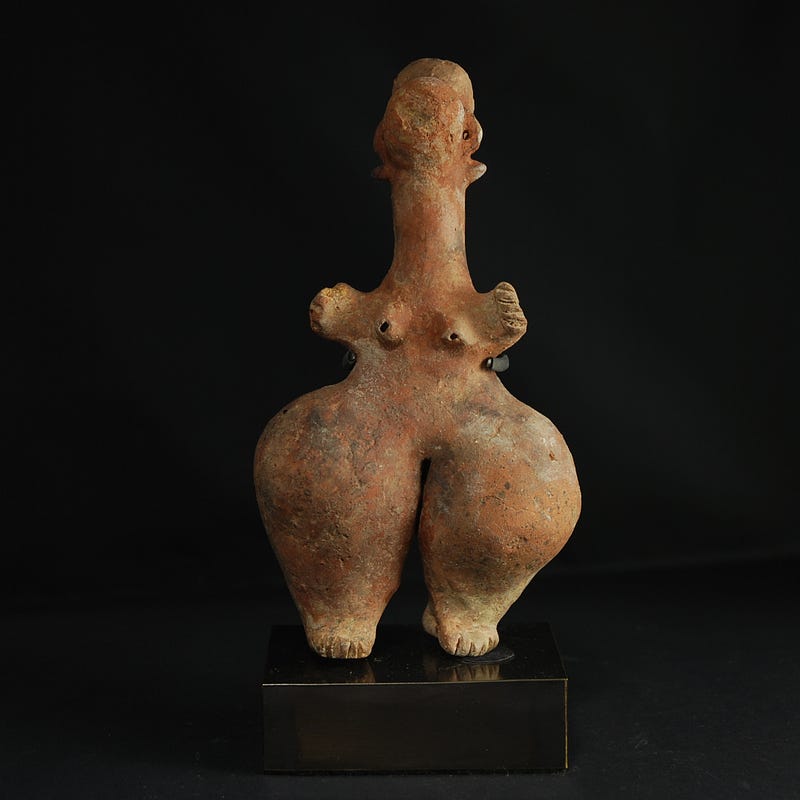
A notable aspect of Amlash art is the creation of terracotta figurines. These figurines represent humans and animals and are characterized by stylized features. Human figurines often depict individuals in various poses, including sitting or standing.
Amlash art shows influences from neighboring cultures, such as the Elamites and the ancient Iranians. The cultural exchange in the region is evident in the artistic motifs and styles found in Amlash artifacts.
Amlash artifacts are often associated with burial sites. Archaeological excavations have revealed graves containing pottery, bronze items, and figurines, suggesting a connection between Amlash art and burial practices.
Many Amlash artifacts have been discovered through archaeological excavations in the Gilan province and surrounding areas. These discoveries contribute to our understanding of the Amlash culture and its artistic expressions.
The Amlash culture was primarily concentrated in the region of Gilan, located along the southwestern coast of the Caspian Sea in present-day Iran. The Amlash River and its surrounding areas were central to the culture’s development.
Amlash was situated along trade routes, facilitating cultural and economic exchanges with neighboring regions. This trade likely played a role in the incorporation of external influences into Amlash art.
Several archaeological sites in the Gilan province have been associated with the Amlash culture. Excavations at sites like Marlik, Hasanlu, and Ziwiye have revealed significant artifacts, providing insights into the material culture of the Amlash people.
Amlash art demonstrates a level of artistic innovation, especially in the creation of terracotta figurines. The stylized representations of human and animal forms suggest a unique artistic expression within the cultural context of the time.
Amlash culture is often associated with burial mounds, where individuals are interred along with various grave goods. These burial practices are indicative of cultural beliefs and rituals surrounding death and the afterlife.
The Amlash culture interacted with other contemporary cultures, such as the Urartians, Elamites, and Medes. This interaction is reflected in the artistic motifs and elements found in Amlash artifacts.
The production of bronze artifacts by the Amlash people demonstrates their proficiency in metalworking. The use of bronze for tools, weapons, and ornaments suggests a level of technological advancement in metallurgy.
Many Amlash artifacts are believed to have had ceremonial or ritual significance. The presence of specific symbols and iconography on pottery and figurines points to their use in cultural practices or religious ceremonies.
Archaeological research in the Gilan province continues to uncover new aspects of Amlash culture. Ongoing excavations and studies contribute to a deeper understanding of this ancient society and its contributions to the broader cultural landscape of the ancient Near East.
The Amlash culture did not have a centralized political system with a single ruler or king. Instead, it is believed to have been a society composed of smaller communities or tribes in the Gilan region during the Iron Age. The political organization of the Amlash people is not well documented, and the available archaeological evidence does not provide clear information about a specific ruling authority.
The Amlash people are thought to have been organized around smaller, local communities, each with its own social and possibly religious hierarchy.
Amlash art is known for its terracotta figurines, and among them, representations of animals, including bulls, are common. These terracotta bulls provide insights into the artistic and symbolic expressions of the Amlash people during the Iron Age.
The terracotta bulls from Amlash period are typically small figurines made of baked clay. They include stylized depictions of bulls, frequently with simplified forms and symbolic elements. These figurines may have held cultural, religious, or ritual significance within Amlash society.
The interpretation of such artifacts involves understanding the cultural context in which they were created. Bulls were significant in many ancient cultures and could be associated with fertility, agriculture, strength, or religious beliefs.
Archaeologists and historians use these artifacts to piece together the history and lifestyle of the Amlash people during the Iron Age in the ancient Near East.
NY Elizabeth is currently offering a private collection of Amlash art.