
The Fog of Life
A look at PTSD through a war veteran’s eyes
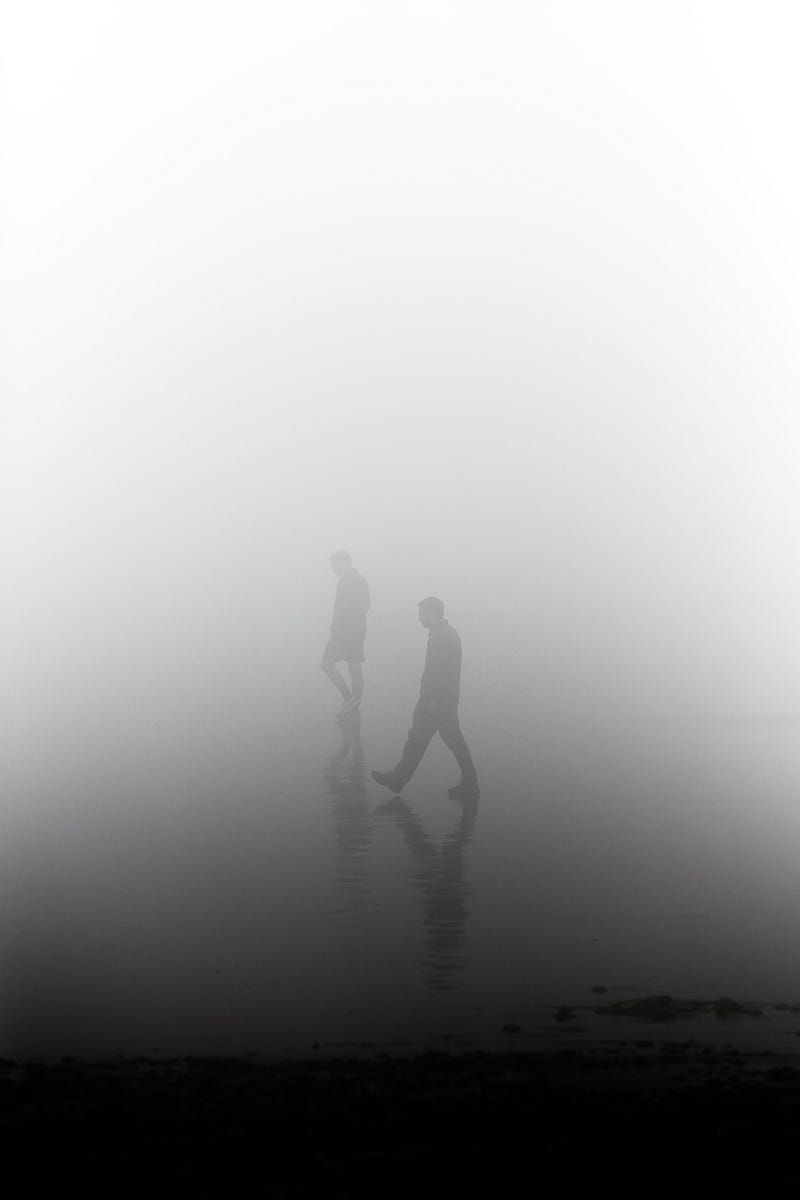
PTSD (Post-Traumatic Stress Disorder) affects nearly everyone in the world, at some point in their life. Either you will be a victim of it, or someone you know will — statistically speaking. I’ve struggled with the idea of PTSD for a long time now, which translates into spending a great deal of time reflecting on trauma and its effects.
Please understand the distinction here. I don’t mean reflecting on the trauma. I mean reflecting on trauma in general. The idea of its impact on us.
For example, the things that kids growing up in 1980s NYC saw (and did) on a regular basis would be considered traumatic by nearly any measure. But we don’t associate that with PTSD, we associate that with life.
When it comes to PTSD, we generally have two things come to mind.
First, war. Military. Combat. Noise. Fog.
Second, assault. Rape. Violence. Brutality. Pain.
If you think PTSD is confined to these two groups, you are mistaken. Even so, I’m not here right now to define what counts as trauma, largely because even the doctors still can’t agree on that entirely.
But as far as I can tell, the fear is more harmful than the physical. Our bodies can heal, and modern medicine goes to great lengths to repair or replace defective components.
The moments from the war that come back to me with the most clarity are those moments before the chaos. Those seconds of fear gripping every part of my mind except the part making me keep going towards the source of terror.
I wanted to share a short description of what living with PTSD for 20 years is like. It’s a description that actually fell right out of my mouth during a telemedicine session with a VA psychologist.
It’s like we’re living in the future.
The Story
The question posed to me was something along the lines of:
“How would you describe your PTSD symptoms?”
My response, paraphrased for clarity and comprehensibility:
Imagine yourself in a shipwreck.
Everything is chaos and intensity, and then suddenly calm. When you get your wits about you, you realize you are on a beach.
You can’t see how far the beach goes, or anything farther away than maybe 20 ft., however, due to a dense fog that blankets the ground.
This fog is everywhere.
You know the ocean is behind you, but you obviously can't walk through it so you head in the opposite direction. Inland — the only direction you really have if you want to find anything besides more beach.
So you start walking, and soon enough the sand becomes grass.
Before long, the grass turns to bamboo and now you’re in a jungle.
You can keep walking until jungle becomes forest and forest becomes hills and hills becomes plains.
And every time the scenery changes you realize something. You never could have known it was coming because of the fog.
Looking back, you can’t tell while you’re standing in the soft grass of the plains that you had to tromp through jungle and swamp to get there.
And if you’re standing in the swamp you have no way to know that firm ground is just a few steps ahead. All because of the damn fog.
This is what PTSD is, at least for me.
Everything in my life has become blanketed in fog. Memories are smudges and the things that once invoked passion or interest are now nothing.
Existence has become a matter of putting one foot in front of the other, day after day, and occasionally noticing that the ground is firmer here or softer there.
Yet as a shark must constantly swim forward, I must constantly walk through the fog.
After twenty years of walking, I quit worrying so much about the ground and started paying attention to the fog.
Maybe in doing so, I will find a way to clear it or see through it.
Stay tuned and I’ll be sure to let you know how it all works out ;-)


