
The Fitness Industry Is Living a Paradox During Coronavirus
When I say “fitness industry”, what do you think of?
Gyms?
Your local indoor cycling or martial arts or yoga studio?
The fitness industry casts a wide net. I have been in that net for over 30 years in various roles. It is an industry that includes any facility or individual that offers fitness services. It includes any organization that monetizes any aspect of exercise promotion.
There is quite the paradox going on within the industry. The dire, and the plenty. Let’s explore.
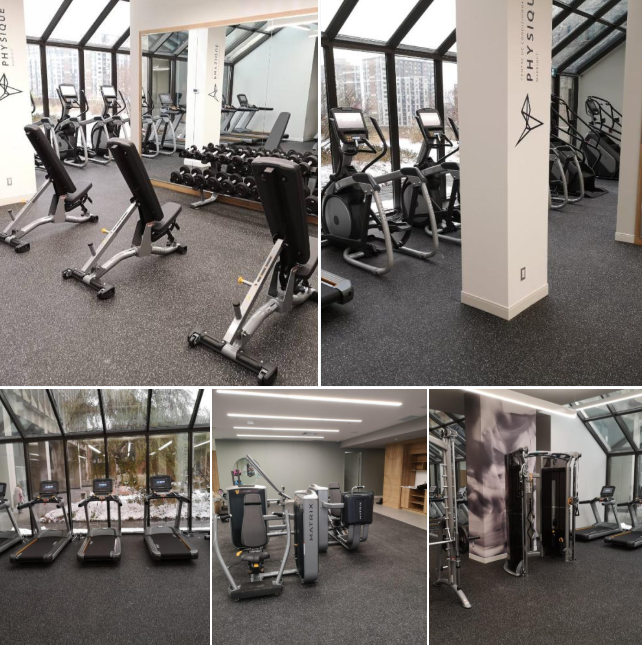
“Gyms” come in different applications. Corporate fitness centers, university and college fitness centers, municipal fitness centers, YMCA, military bases, large police departments, medical rehabilitation and fitness centers, sports teams, athletic performance centers are all part of this industry.
Then there are small businesses. Independent contractors whom offer their services to organizations who want a class taught or a video shot. They offer classes not as employees but as agents. Agents of fitness leadership! They teach in a group setting and coach 1 on 1. There are also consultants and supporters to the fitness businesses, big and small.
Then there are the fitness media companies. Those organizations that put together the content you see on video. Formerly those would be video and instructional CD’s. Currently they are on infomercials and streamed online. Individuals, like many industries, can and have become their own media company via social media.
There are also manufacturers. Those whom make the equipment we use. From kettlebells to treadmills, from mats to dumbbells. The big and the small.
There are the those that sell fitness equipment. Specialty retailers and big box stores. The online outlets are part of this group of sellers. You can click treadmills and get over 200 million results in under a second.
With this diverse group, physical outlets like gyms and retailers to the human side that offer services for fees are impacted differently with this Coronavirus.
Those working in fitness centers are in limbo, if not outright terminated as employees. A booming industry with high demand has let their talent go overnight. The hardship that comes from that is hard to fathom. Especially when the “return to normal” is so ambiguous. If we think about that for a second, those working in the private fitness sector will have opportunity to come back when? in May ? June? July? The summer months, in North America anyway, are not big months in gym traffic.
Equipment manufacturers that cater to these facilities get hit with a domino effect. Orders get suspended, postponed and/or cancelled. Companies are laying off long standing employees as a result. Some manufacturing companies in Asia have moved over to medical supplies. With that level of agility, employment can be saved. So far, that seems to be the exception rather than the rule.
So where the paradox? The other side?
The closure of physical facilities has opened the door to a very strong demand for equipment to bring home.
Fitness would be classified as a secondary market, would you not agree? Primary being essential needs like medical supplies and food/water.
But, the demand for exercise equipment mirrored what we see in primary markets. Any level of seller (specialty retailer, big box store, online outlet) had a push for supply that were up 300,400 and 500% from March 2019. An unforeseen demand, that has taxed supply chains to the max.
Only the tightest of supply chains can prosper in such an environment and even then, time will tell on how this pace and how long it will go on.
When you add the stress of distribution and delivery to the mix of increased demand, 2 staples of bringing anything to our homes, this creates the quintessential mixed blessing.
So what lies the future?
The optimist would view the demand matching supply in a more sane environment. The business and leadership principles of persistence and adaptability will come into play. The strong will survive. The creative and nimble will thrive.
The optimist would also say that this health scare and vulnerability will also increase the overall demand and commitment to healthy living and building our immune systems. This bodes well for the fitness industry.
The pessimist may say that more will suffer and close, and the economic impact will run for some time in this industry as it will in many. Those struggling coming into the virus may not get out. The layoffs may not have jobs anymore.
The realist is taking a wait and see approach and suggesting we control what we can and hope for the strength to get through challenging times.
Regardless of perspectives and outlook, being kind to yourself and others is a good recipe. Finding the strength to ask for help when we need it is another. Taking it day by day is what we have left.
Greg Lawlor is a coach, teacher and veteran of the fitness equipment industry.


