
The Fine Art of Portraiture is Seeing The Subject Intimately
Capturing Essence and Emotion Beyond the Canvas
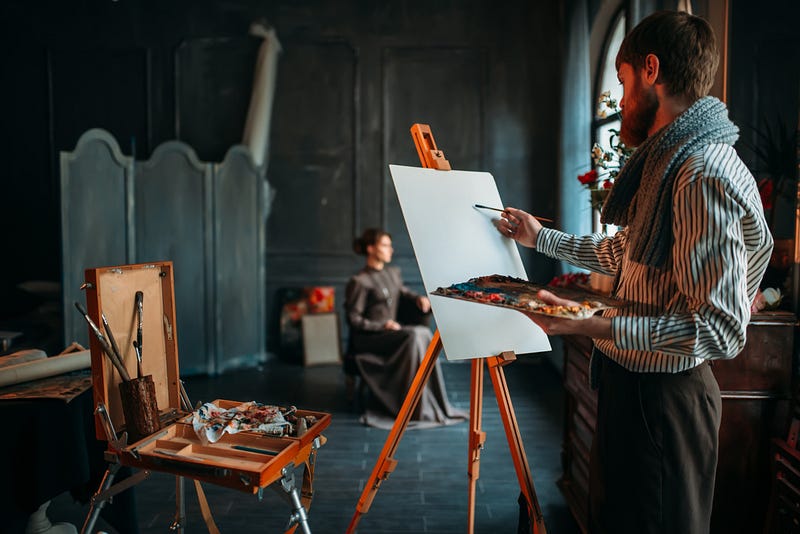
In my world of portrait painting, every brushstroke on the canvas narrates a unique encounter. It is an intimate dance between me and the subject. This experience transcends the mere replication of physical attributes. I venture into a realm where observational skills, emotional connections, and the essence of a person are woven into art. As an artist, I embark on this journey with each portrait, embracing the challenge of genuinely seeing the subject.
The Key to a Lifelike Portrait is Being the Master Observer
Observational skills in portrait painting are a distinct art. They extend beyond a superficial gaze, capturing intricate stories and silent expressions. These skills reveal the subject’s demeanor and the fleeting emotions on their faces. It’s less about capturing the color of their eyes but more about understanding the stories those eyes tell.
Honing these skills requires continuous, sharp observation. I observe people everywhere, not limited to my subjects. Observing changes in expressions, the impact of lighting on features, and how posture reflects personality is enlightening. These observations form a vivid tapestry of references for my painting. They aid in creating portraits that transcend mere images to become stories etched in time.
Building an Emotional Connection is the Heart of a Portrait
The depth of a portrait mirrors the artist-subject connection. This isn’t just professional; it’s an emotional bridge. Connecting hearts and minds is vital. This bond forms through conversation, shared experiences, or quiet observation.
This emotional bond lets me explore the subject’s psyche deeply. It helps me portray both their physical appearance and inner essence. Portraits crafted with understanding and empathy resonate. They draw viewers in, making them see and feel the subject’s essence.
The Greatest Artistic Expression is Capturing the Subject’s Essence
The essence of a person is a complex blend of their personality, mood, history, and spirit. Capturing this on canvas is the ultimate challenge and achievement in portrait painting. This process includes intuitive choices in colors, brushstrokes, and lighting. These elements reflect the subject’s inner world.
A vibrant personality may call for bright, lively colors. In contrast, a contemplative person suits subdued hues and soft shading. Lighting is crucial, too. It can change the painting’s mood and atmosphere, adding depth and emotion.
The Transformative Power of Portrait Painting
Each portrait I create embarks on a fresh adventure, telling a unique story. This journey is one of discovery, revealing both the subject and my growth as an artist. I constantly learn and evolve in skill and spirit by truly seeing the subject. Portrait painting is more than art; it celebrates the human spirit and the rich tapestry of emotions and experiences. I encourage all art lovers to join in and appreciate this fulfilling journey.
This artistic journey goes beyond traditional portrait painting. It offers deep insights into the subject and, equally, into the artist’s soul. It’s a testament to art’s power to connect, reveal, and celebrate the profound depths of human experience.
A challenge has been offered by DR Rawson - The Possibilist:
What happens when Love has the hiccups? Sahil Patel lets us know here:
Dr. Preeti Singh adds a piece to the Wisdom column:
If you enjoyed this story, Follow, Subscribe, Clap a lot, Comment, and/or Share.


