
LIFE/SHAME/CRINGE
The Feeling of Needing to Curl Up and Delete Yourself Briefly
Cringing at your awkward mistakes isn’t the worst psychological pain in the world, but it’s still uncomfortable
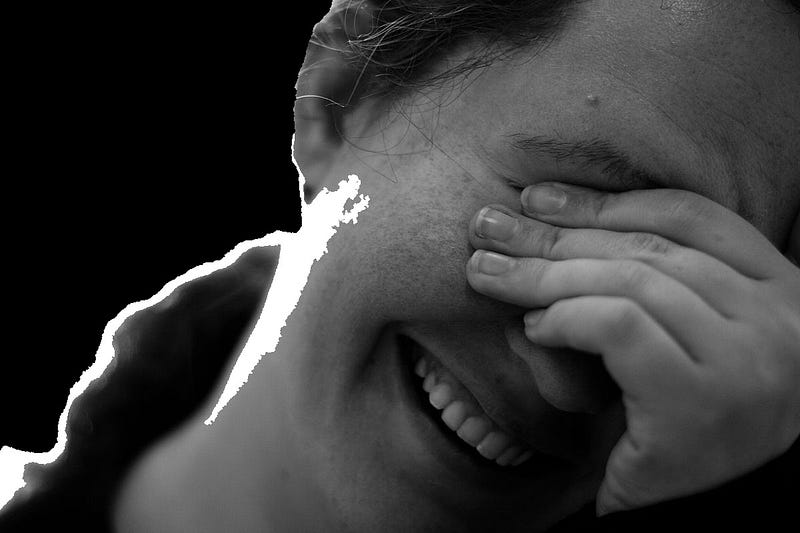

The word “cringe” gets tossed around a lot these days. The term is still relatively new to me, but the feeling is all too familiar. Your shoulders tense, your stomach clenches, your face screws up, and you cover your eyes to make it disappear. The many times the word “cringe” will appear in this article is cringe.
Unnamed person: “Oh, Henya, I love your shoes.”
Me: Cringe, a moment of uncomfortable muteness, then “Oh well, I bought them on sale. I can tell you where you can get them….blah….blah…blah…” (I forgot to say Thank you, ;) )
Defining cringe can be challenging since it is rooted in personal perception. Cringe refers to embarrassment, discomfort, or secondhand embarrassment that arises from witnessing or experiencing something perceived as awkward, inauthentic, or socially unacceptable.
Most of us build our lives to experience as little embarrassment as possible. History shows cringe is birthed by the fear of social rejection — a feeling similar in intensity to physical pain. If I say I’m okay even though you just watched me run headlong into a wall, you’ll go along with my story if you don’t want things to get weird.
I cringe at many things and struggle by giving too many thoughts in situations where too many thoughts and over-guessing do not deserve attention. So why do I give a hoot about how to respond to compliments? Because I reason, I don’t want to feel as though I’m perpetually entitled to feel comfortable and happy at all times.
It’s only natural to give a fuck (cringe) what other people think about us, right? It’s only natural to seek the approval of other people. It’s why we take so much time to choose what we will wear. It’s why we go to the gym. It’s why we get cool-ass haircuts. And who wouldn’t like a good compliment and praise? We all love hearing others say good things about us, right? I do! But somehow, I feel so uncomfortable receiving them.
Don’t get me wrong; my heart fills with pleasure when someone compliments me. But I instantly begin wondering: do I appear too happy? Or do I not look happy enough to indicate that I’m thankful they said a good thing about me? What if they think I’m vain and are trying to estimate if they’re right based on my reaction to them? Should I, then, fake that I didn’t expect the compliment and they’re the first person to point out this good thing about me? Will that seem like I’m putting up an act, though? Maybe, I should thank them and move on… wait, am I expected to return the compliment? Quick, what can I compliment them about that seems genuine and not something I made up on the spot to compliment them back?
Generally, this ordeal ends with me saying something off the mark — deflecting and later obsessively overthinking my response. But I have to say something, right? Because silence turns to an awkward silence, which can dial up the anxiety, clouding the mind further and, in turn, prolonging that awkward silence. Ooofff!
More of my interaction with the complimenter goes something like this:
Unnamed person: “You’re a great writer.”
Me: Cringe, another uncomfortable silence, then “Ah, I don’t know about that. You really think so? I’m still a work in progress.” (Forgot to say Thank you… again.)
Unnamed person: “You always look so beautiful.”
Me: Cringe. I close my eyes and grimace, then “Oh, me? Well, you know, I come from good genes. And beauty is in the eyes of the beholder, right? Lol.” (What happened to Thank you, and leave it at that?)
See how I’m rejecting all the compliments and praises? Why do I do this? Why couldn’t I leave it at “thanks”? I know why. I don’t want to appear boastful.
Most of us get sucked in by life’s mean trivialities, steamrolled by unimportant dramas; we live and die by the side notes, distractions that suck us. Essentially, anything we conceive as slightly “overdone” or “off the mark” can be cringey. The moments that make us cringe and get yanked out of our perspective when we can suddenly see ourselves from somebody else’s point of view — a stark difference between how you see you and how others see you.
Think of what we call cringeworthy — or, here, I can think of a few for you. Cringe! We all know the feeling. Realizing you were walking the wrong way and having to about-face, causing everyone on the street to know you were walking the wrong way.
Or, assuming the cashier at the coffee shop asked for your name because she thought you were cute, gently telling her that you’re married, then understanding she just needed your name for the coffee. Saying goodbye to someone, only to discover that you’re both walking in the same direction.
Or the time I saw a woman walk out of the ladies’ room with a long piece of toilet paper hanging out from the back of her pants trailing behind her. Or the time in a restaurant, a man walked in on me while I was sitting on the toilet.
And that’s when the “cringe factor” kicks in. I mean that hard-to-describe but easy-to-recognize feeling of needing to curl up and delete yourself briefly, either because of yourself or someone else — like embarrassment, but worse.
Looking at yourself through someone else’s eyes can make you feel pathetic and unworldly. But I’ve come to believe that you need to look if you want to turn your disabling self-consciousness into something more manageable.
And maybe the best way to overcome the fear of cringing at yourself is to purposely put yourself in situations that make you feel like you may die of cringe — something like self-acceptance.
What makes you cringe?
— — — — — — — — — — — — — — — — — — — — — — — — — — — — — — — — — — — — —
Congratulations! You made it this far. THANK YOU! 😎
Thank you Linda Carroll! I talked. You listened.
And for those who didn’t receive the memo, Linda started a new publication, On Reflection — head on over there. Better yet, submit because Linda cares about bringing out the best in your writing.