The Fearless American Heiress Who Resisted the Nazis
The fascinating story of Muriel ‘Mary’ Gardiner.
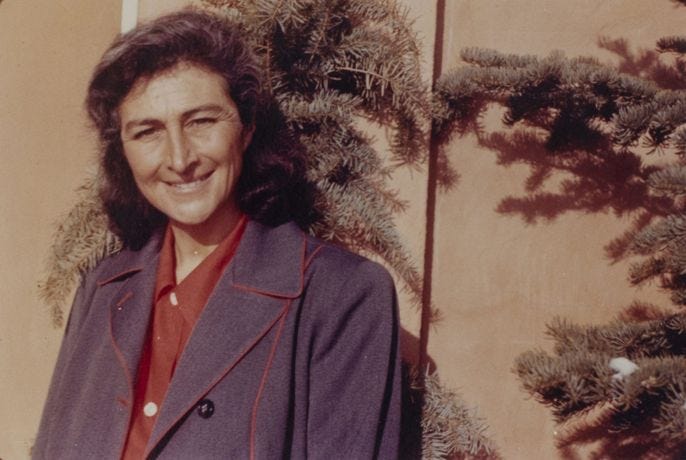
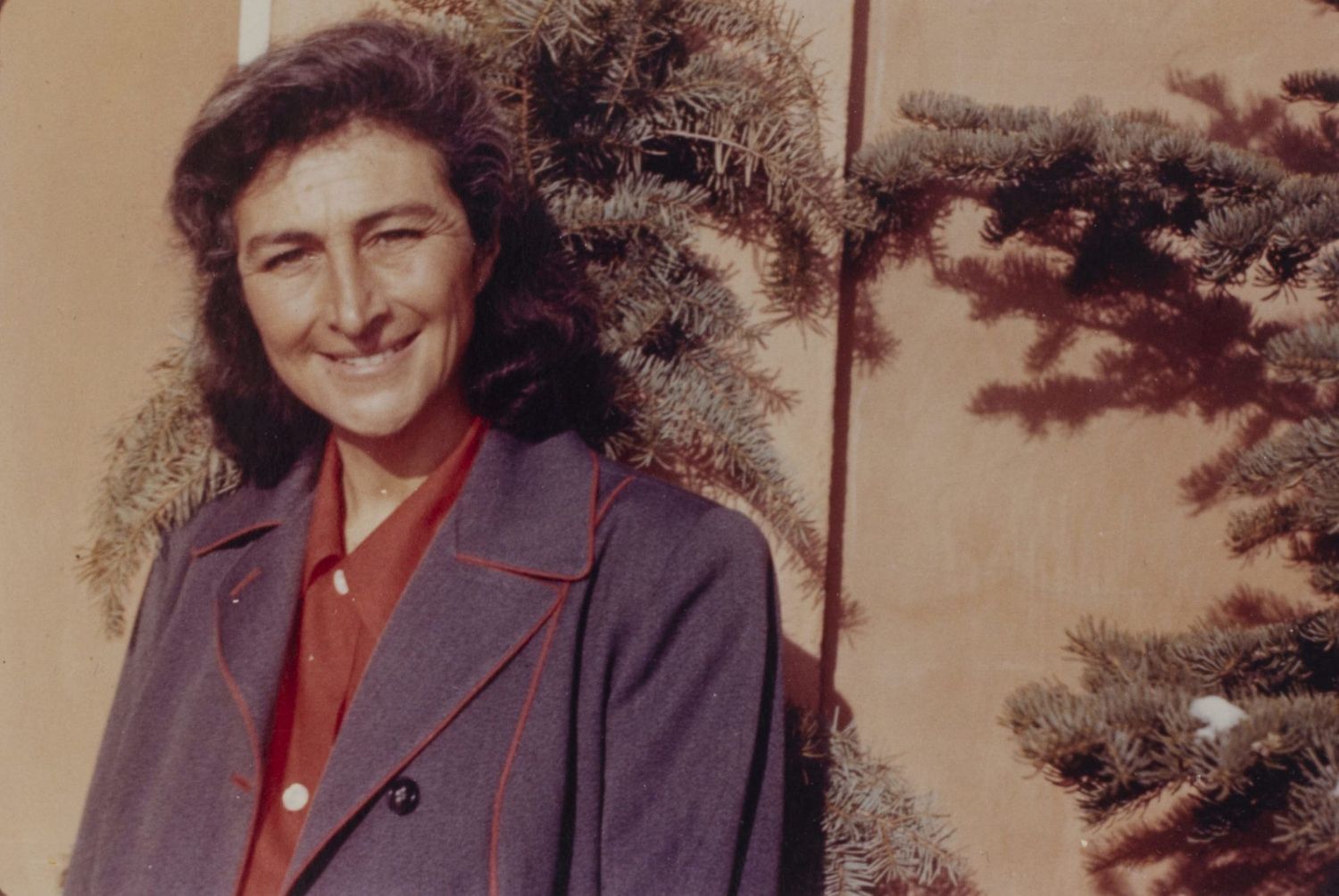
Illinois. Massachusetts. Oxford. Rome. Berlin. Vienna. She had travelled miles, but this was where her journey began, where the fearless American heiress would make her mark in the world.
There was a chill in the Vienna weather reminiscent of the fall in Wellesley that she had gotten used to before her days at Oxford. She had travelled far from where her journey begun, yet the eagerness evident in her demeanour betrayed no sign of tiredness, and she was ready, albeit unknowingly, to write the story that will be uncovered years later.
Her Life Before Stepping on the Cobbled Streets of Vienna
The youngest of four siblings, Helen Muriel Morris was born in 1901 to a wealthy household in Chicago and spent her early years in great comfort. Despite this, Gardiner was not fond of the sheer opulence around her, feeling restricted in the world she was supposed to call her home.
Even at school, she was entranced by people who spent their years traveling the world and acquiring knowledge-Helen Boyce, the history teacher at her all-girls school, for instance.
This tension, reflecting a deep desire to explore and find some meaning some meaning in life, seeped into her years as a young adult. After graduating as a Durant Scholar from Wellesley College in literature and history, where she intended to go for it was far away for home, she eventually travelled to Oxford University for further education.
Taken aback at the staunch almost Victorian atmosphere of Oxford-as someone with some boarding school experience, I could relate-and at its view, Gardiner, failed her thesis and decided to travel to Vienna in 1926 to be ‘psychoanalyzed’ by Sigmund Freud where she briefly married Julian Gardiner.
In between these years, Gardiner was becoming conscious of her own privilege, privilege that rested fundamentally on inequality. Acquiring a reputation for being leftist, Gardiner’s social capital, or simply put the friends she made in her prestigious education institutions, ironically helped her mesh in with leftist intellectuals. Socialism was the ideology which could fill the void that years of strict upbringing in an industrialist family.
Her fascination for women including the likes of Marry Shelley and Mary Wollstonecraft also grew in tandem with her interest in political events in the tumultuous first quarter of the 20th century. Defiant and bold, she was becoming someone who defined her own boundaries of right and wrong. She would wield this attitude in Vienna post-1926.
The Drama that Unfolded in Vienna
When Gardiner arrived in Vienna, the scent of lilac was stronger than the scent of danger (and doom) which later accompanied fascism, antisemitism, and the Nazis.
Until then, her closest encounter with fascism was witnessing Mussolini’s parade during her vacation in Italy in 1920s, bothersome but brief. With fascism unfurling its sinister blanket over Europe, and Vienna in particular, Gardiner would witness the city descend into the throes of fascism and antisemitism.
Unable to become Freud’s patient, Gardiner was drawn to “Red Vienna” where the Socialist Democrat Party was in power, and the new science of psychoanalysis. Becoming a medical student in the city, Gardiner witnessed as that blanket of facism (infused with antisemitism that predated fascism) gradually took over it. Conducting violent raids on Jewish students at the Vienna Medical School, Nazis were campaigning to make Austria a part of Germany.
In the wake of increasing Nazi influence, as the Social Democrats were ousted and a new fascist government came to power in 1934, an underground resistance movement was also building up (or [efficiently] going down). With this, Gardiners ideological beliefs, seeing socialism and fascism as dichotomous ideologies, strengthened, and she found a new code name for illegal activities, “Mary”.
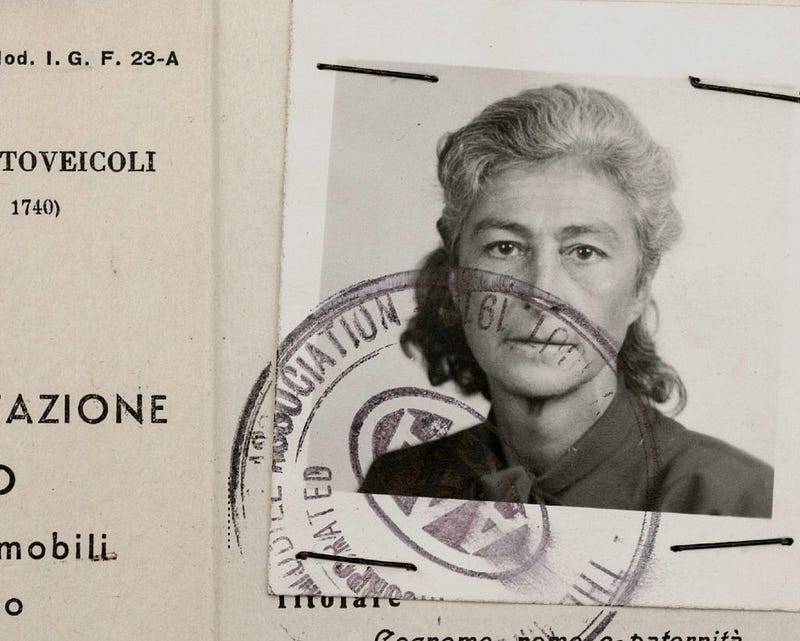
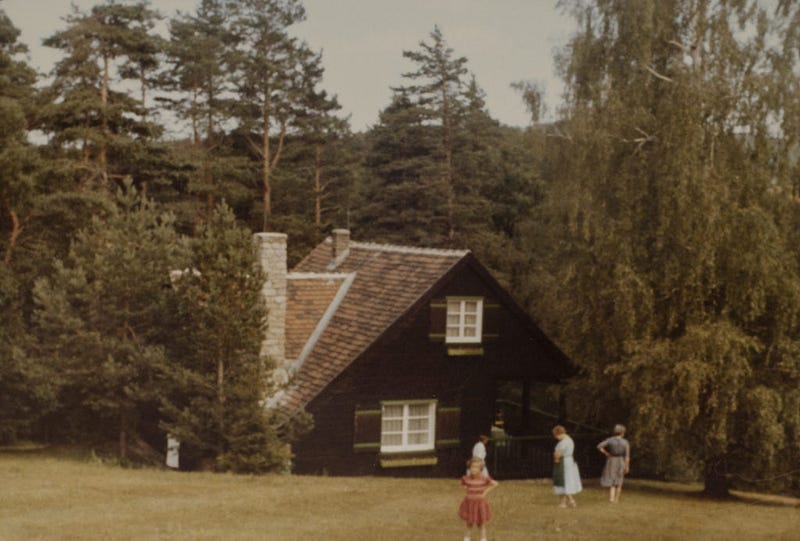
Holding meetings at her picturesque inn with her socialist and even communists became almost a routine for Gardiner. From passing secret messages to comrades through books and invisible ink to making (and smuggling) fake passports and necessary supplies to help anti-fascists escape Austria and hiding her fellow comrades, Gardiner became more involved in the resistance.
Her efforts took on an urgency when Austria was annexed by Hitler in 1938. With unfurling of Swastika flags on Viennese streets, the resistance had to deal with new impediments, including the notorious Gestapo. Gardiner provided affidavits of support to her contacts to facilitate their escape to the United States.
In one instance, she taped false passports to her body, hid them in her corset and delivered them to a family whom she hid in her workroom. This soon became a frequent occurrence. Reading her memoir, I got the sense of the sheer helplessness and utter fear that Gardiner and her comrades felt; choosing to stay in Vienna instead of escaping it could be synonymous with choosing death itself, especially if one intended to disobey Nazi regulations.
At the prospect of danger, Gardiner knew how to astutely leverage her existing resources, chiefly her American citizenship which, out of expediency, was respected even in Vienna. When she is stopped and about be stripped and searched, this occurs to Gardiner for she has false passports taped to her.
Similarly, when questioned by another police officer in Vienna, she claims to be a tourist there for sightseeing. It was a mixture of luck, determination and bravery that ensured her survival at the end.
The Exit
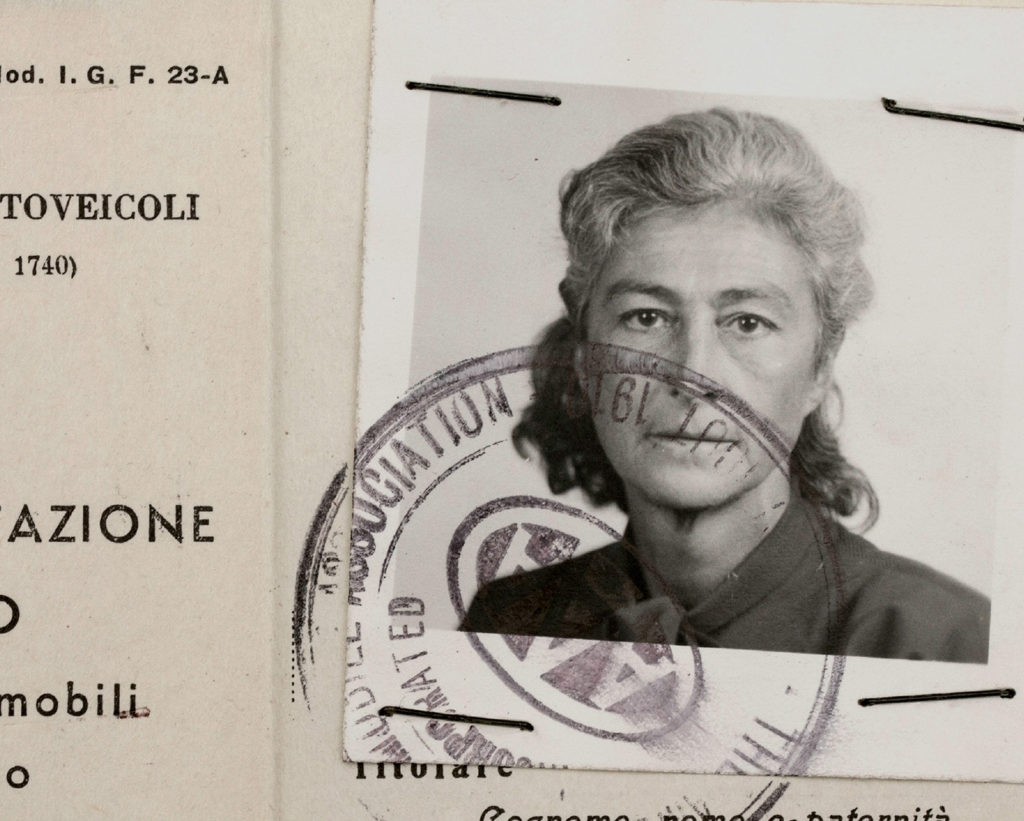
In 1938, suspected by the Gestapo of being a foreign agent, Gardiner escaped to Paris. Before this, her daughter (with the socialist Joseph Buttinger), Connie Buttinger escaped with her mother’s help to Paris early on in 1938. From there, Gardiner resolved to return to the US.
In America, Gardiner used her contacts to help refugees in the United States who had escaped the Nazis. She also went on to focus on medicine, helping to establish and finance the Freud Museum in London with her friend Anna Freud. Not saying goodbye to the life of danger completely, Gardiner has authored books including one entitled The Deadly Innocents, is centred on young murderers.
Reading on Gardiner’s life, I sometimes completely forgot about how she juggled her discreet underground activities with medical school and parenting. For me, these seemingly mundane aspects of her life make her more extraordinary.
We all know, now more than ever perhaps, that women are often written out of history. But I’ve come across women whose mark on this world, although skips history textbooks, is indelible, always asserting itself furtively yet powerfully. The men that Muriel crossed paths through her ‘illicit’ activities in Vienna included well-known figures such as Kim Philby, a British agent who was exposed as a Soviet spy during the Cold War.
Even if defiled, such men, a simple google search demonstrates, are never forgotten by history. After chronicling Muriel Gardiner’s story, I can’t help but wonder-we -how many other women who can add to the startling brilliance encapsulated in Gardiner’s story are we forgetting? We can only uncover them by seeking them out.
References
https://www.freud.org.uk/exhibitions/code-name-mary-the-extraordinary-life-of-muriel-gardiner/.
https://www.wellesley.edu/alumnae/awards/achievementawards/allrecipients/muriel_morris_gardiner_22.