avatarFreda Savahl

Free AI web copilot to create summaries, insights and extended knowledge, download it at here

2658

Abstract

m honey, ghee, rock salt, or the seeds of the Palasa tree.</p><p id="031e">In modern times, contraceptive devices have evolved and now include options such as Dutch caps and diaphragms.</p><h2 id="8f57">At present, the most widely used barrier method of contraception is the condom.</h2><p id="d290">French cave paintings dating to 11,000 BCE depict condoms made from animal membranes, such as sheep intestines. These condoms predate the invention of rubber condoms in the 19th century.</p><figure id="aa65"><img src="https://cdn-images-1.readmedium.com/v2/resize:fit:800/1*qxZHbCiCgXlaDQZS4B2SJw.jpeg"><figcaption>https://womenshistory.si.edu/about<a href="https://womenshistory.si.edu/about">About | Smithsonian American Women’s History (si.edu)</a></figcaption></figure><h2 id="70d9">By the 20th century, condoms were being mass-produced but sold in discreet packaging to maintain privacy and discretion.</h2><p id="2a12">Condoms were expensive in Britain, often costing up to ten shillings per dozen, the average weekly wage at that time.</p><h2 id="30db">Vaginal Douche:</h2><p id="5d27">Women used a douche to squirt water or spermicide into the vaginal cavity to wash away sperm.</p><p id="0318">Despite all these methods, women continued to have unwanted pregnancies due to a lack of knowledge about their reproductive system.</p><p id="7f01">In 1873, the U.S. Congress passed the Comstock Act, which made the use or distribution of contraception illegal.</p><p id="7a8f">The term “birth control” was coined by two remarkable women, Marie Stopes and Margaret Sanger, in the 1960s. Their tireless efforts and advocacy paved the way for modern contraception and reproductive rights. Let’s honor their legacy by continuing to support and promote access to safe and effective birth control for all.</p><p id="01f2">The most significant development in contraception occurred during the 20th century.</p><p id="ba89">The increased availability of reliable contraceptive methods, combined with sex education, proved to be a revolutionary development.</p><p id="f65b">The development of oral contraceptives began in the 1930s This groundbreaking invention has helped millions of women worldwide to take control of their reproductive health, giving them the freedom to make choices about their bodies and their futures. We owe much to the scientists and researchers who worked tirelessly to bring this life-changing technology to fruition. Let’s celebrate their achievements and continue supporting women’s health advancements.</p><p id="028b">In 1960, Enovid became the first pill in the US to receive FDA approval.</p><p id="3f3e">The invention of the pill

Options

revolutionized women’s sexual freedom by offering a reliable method of contraception.</p><p id="bf58">Health concerns related to the use of birth control pills had a significant impact on the pharmaceutical industry and on the lives of women who experienced health issues such as blood clots.</p><p id="e1ee">Today, most women in the Western world have easy access to contraception. Statistics show that many women opt for long-term medical methods like hormone implants and IUDs. It’s incredible how far we’ve come in terms of reproductive health!</p><p id="3645">Research indicates that inadequate funding and supply chains result in 222 million women in developing countries facing challenges in accessing contraceptives.</p><figure id="94b8"><img src="https://cdn-images-1.readmedium.com/v2/resize:fit:800/1*KotmZCCicmMPR61c3lz_0A.jpeg"><figcaption>https://womenshistory.si.edu/about<a href="https://womenshistory.si.edu/about">About | Smithsonian American Women’s History (si.edu)</a></figcaption></figure><h2 id="420d">Thank you, readers for your time and support.</h2><p id="6252">I am convinced no woman can call herself free until she can choose whether she wants to be a mother. If we have effective birth control, we will rarely need to have conversations about abortion.</p> <figure id="08a0"> <div> <div> <img class="ratio" src="http://placehold.it/16x9"> <iframe class="" src="https://cdn.embedly.com/widgets/media.html?src=https%3A%2F%2Fwww.youtube.com%2Fembed%2FcMOD8LBxaT0%3Ffeature%3Doembed&amp;display_name=YouTube&amp;url=https%3A%2F%2Fwww.youtube.com%2Fwatch%3Fv%3DcMOD8LBxaT0&amp;image=https%3A%2F%2Fi.ytimg.com%2Fvi%2FcMOD8LBxaT0%2Fhqdefault.jpg&amp;key=a19fcc184b9711e1b4764040d3dc5c07&amp;type=text%2Fhtml&amp;schema=youtube" allowfullscreen="" frameborder="0" height="480" width="854"> </div> </div> </figure></iframe></div></div></figure><h2 id="1102">TED — An outstanding informative video. Watch!</h2><p id="f5e0"><i>Remember for only $5 per month, you can join Medium and gain access to thousands of stories and poems, including those written by Freda Savahl. Membership also provides a great platform to publish your pieces, poetry, photos, and reports and earn money on Medium.</i></p><p id="712f"><i>Source:https://womenshistory.si.edu/about<a href="https://womenshistory.si.edu/about">About | Smithsonian American Women’s History (si.edu)</a></i></p><p id="2f5a"><i>Source: https://en.wkipedia.org/wiki/<a href="https://en.wikipedia.org/wiki/History_of_birth_control">History_ of_ birth_ control</a></i></p></article></body>

The Fascinating Evolution of Birth Control from Crocodile Dung to Condoms!

A Journey Through the History of Contraception.

Photo by Elen Sher on Unsplash
About | Smithsonian American Women’s History (si.edu)

Historical evidence reveals that women and their sexual partners have tried to prevent unwanted pregnancies using a variety of contraceptive methods.

Withdrawal & Obstructing sperm entering:

If we examine various cultures and historical periods, coitus interruptus (withdrawal) is the most widely used contraceptive method practiced in Europe, Africa, Australasia, and the Middle East.

Despite being popular in Jewish and Catholic communities, their leaders objected to the use of the method.

Coitus obstructus was a method noted in ancient Sanskrit texts. And that Hindus were known to practice coitus reservatus? These ancient practices offer a glimpse into the diverse and fascinating history of human sexuality.

Studies suggest that these methods were not widely used among men, likely due to being uncomfortable.

Barrier Methods:

According to historical records, Slavic women have been using barrier methods as a means of contraception for centuries. One of the earliest methods was the pessary, which was used to block the cervix or kill off sperm to prevent conception.

There were numerous ancient recipes for pessaries, which came in different forms.

Women in ancient Egypt made a pessary by mixing crocodile dung, honey, acacia, and lint.

In ancient Greece, women used the silphium plant pessary.

In Africa, people used plugs made of chopped grass and rags.

Japanese women historically created and utilized pessaries made from bamboo paper.

In Islamic and Greek societies, women utilized textiles made from wool or linen for pessaries.

Ancient Indian women made a potion by mixing powdered palm leaf & and red chalk with pessaries made from honey, ghee, rock salt, or the seeds of the Palasa tree.

In modern times, contraceptive devices have evolved and now include options such as Dutch caps and diaphragms.

At present, the most widely used barrier method of contraception is the condom.

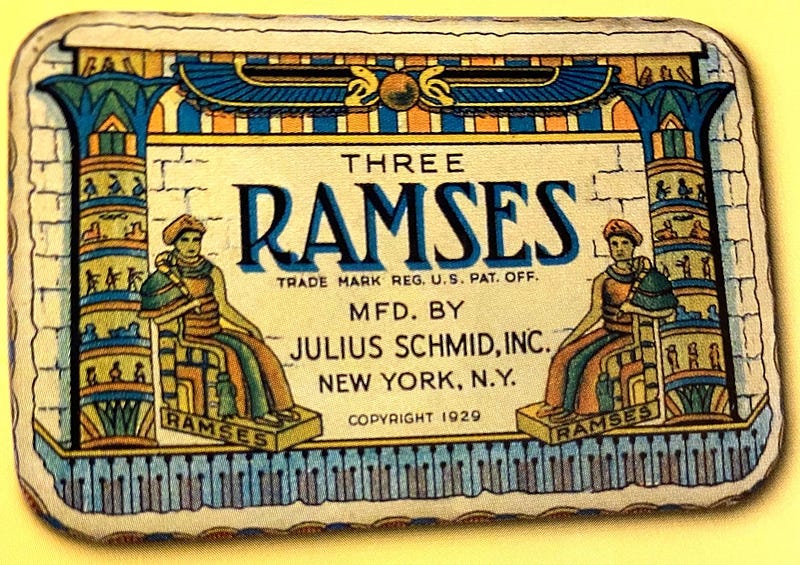
French cave paintings dating to 11,000 BCE depict condoms made from animal membranes, such as sheep intestines. These condoms predate the invention of rubber condoms in the 19th century.
https://womenshistory.si.edu/aboutAbout | Smithsonian American Women’s History (si.edu)

By the 20th century, condoms were being mass-produced but sold in discreet packaging to maintain privacy and discretion.

Condoms were expensive in Britain, often costing up to ten shillings per dozen, the average weekly wage at that time.

Vaginal Douche:

Women used a douche to squirt water or spermicide into the vaginal cavity to wash away sperm.

Despite all these methods, women continued to have unwanted pregnancies due to a lack of knowledge about their reproductive system.

In 1873, the U.S. Congress passed the Comstock Act, which made the use or distribution of contraception illegal.

The term “birth control” was coined by two remarkable women, Marie Stopes and Margaret Sanger, in the 1960s. Their tireless efforts and advocacy paved the way for modern contraception and reproductive rights. Let’s honor their legacy by continuing to support and promote access to safe and effective birth control for all.

The most significant development in contraception occurred during the 20th century.

The increased availability of reliable contraceptive methods, combined with sex education, proved to be a revolutionary development.

The development of oral contraceptives began in the 1930s This groundbreaking invention has helped millions of women worldwide to take control of their reproductive health, giving them the freedom to make choices about their bodies and their futures. We owe much to the scientists and researchers who worked tirelessly to bring this life-changing technology to fruition. Let’s celebrate their achievements and continue supporting women’s health advancements.

In 1960, Enovid became the first pill in the US to receive FDA approval.

The invention of the pill revolutionized women’s sexual freedom by offering a reliable method of contraception.

Health concerns related to the use of birth control pills had a significant impact on the pharmaceutical industry and on the lives of women who experienced health issues such as blood clots.

Today, most women in the Western world have easy access to contraception. Statistics show that many women opt for long-term medical methods like hormone implants and IUDs. It’s incredible how far we’ve come in terms of reproductive health!

Research indicates that inadequate funding and supply chains result in 222 million women in developing countries facing challenges in accessing contraceptives.
https://womenshistory.si.edu/aboutAbout | Smithsonian American Women’s History (si.edu)

Thank you, readers for your time and support.

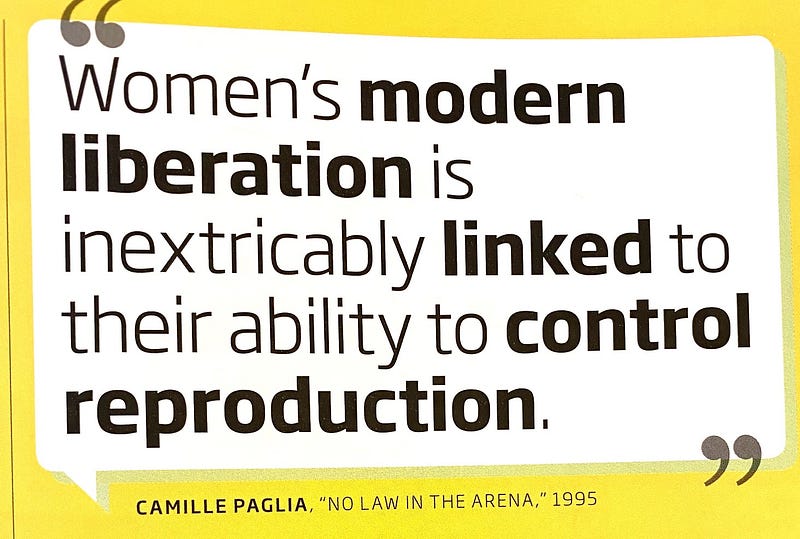
I am convinced no woman can call herself free until she can choose whether she wants to be a mother. If we have effective birth control, we will rarely need to have conversations about abortion.

TED — An outstanding informative video. Watch!

Remember for only $5 per month, you can join Medium and gain access to thousands of stories and poems, including those written by Freda Savahl. Membership also provides a great platform to publish your pieces, poetry, photos, and reports and earn money on Medium.

Source:https://womenshistory.si.edu/aboutAbout | Smithsonian American Women’s History (si.edu)

Source: https://en.wkipedia.org/wiki/History_ of_ birth_ control

History
Contraception
Culture
Womens Health
Recommended from ReadMedium